Zoo
Banham Zoo
🇬🇧 United Kingdom
🦒 Zoo or wildlife park, United Kingdom 56 spp. present
Banham Zoological Gardens is a 50-acre (20 ha) zoo in Banham, Norfolk, England. The zoo, which in 2024 was reported to be a home to more than 2,000 animals, opened to the public in 1968, became a charity in 2013, and has since been often awarded the prize of Norfolk's Top Attraction, by numerous different organisations, with an annual visitor attendance of in excess of 200,000 people. It is part of the Zoological Society of East Anglia, a registered charity which also owns Africa Alive Zoological Reserve near Lowestoft, Suffolk. Wikipedia (CC BY-SA)
52.445° N 1.025° E
🎟️ Visit

Essentials
Entrance
—
Tourism
High
Species present
56
speciesOpened
1968
Size
Large
Visit
Getting there
- Address
- Kenninghall Road, Norwich NR16 2HE
What visitors say
🦒 Animals in captivity




Before you go
Where is Banham Zoo?
United Kingdom
Banham Zoo is a zoo or wildlife park in the United Kingdom, at Kenninghall Road, Norwich NR16 2HE. Its coordinates are 52.445° N, 1.025° E. The nearest national park in our atlas is Snowdonia National Park, about 328 km away.
What animals can you see at Banham Zoo?
56 species
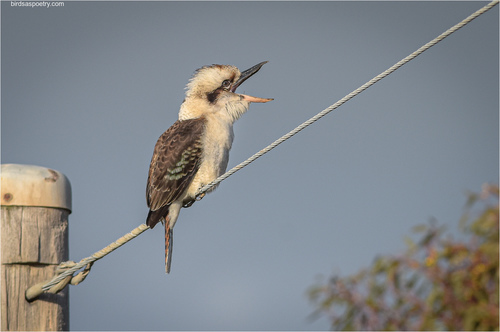
Citizen-science photos record 56 species at Banham Zoo, including Chilean Flamingo, Scarlet Ibis, Asian Emerald Dove, Verreaux's Eagle-Owl and Laughing Kookaburra. Those with a page of their own in our atlas show the odds of seeing them in the wild.
Where can you see the animals of Banham Zoo in the wild?
Chilean Flamingo: Lauca National Park
Some of the animals photographed at Banham Zoo also live in the parks and cities we cover: Chilean Flamingo (about 50% of wildlife watchers report it on a given day in Lauca National Park), Scarlet Ibis (about 80% of wildlife watchers report it on a given day in Caroni Swamp) and Asian Emerald Dove (about 60% of wildlife watchers report it on a given day in Sinharaja Forest Reserve).
When did Banham Zoo open and how big is it?
Opened 1968, 55 ha
Banham Zoo, a zoo or wildlife park in the United Kingdom, opened in 1968 and covers about 55 ha, according to Wikidata and OpenStreetMap. Today 56 species are photographed there.
Nearest Zoos & Centres


Nearest Parks


Nearest Cities


Sources: © OpenStreetMap contributors (ODbL) · Wikidata (CC0) · iNaturalist observers · Wikipedia (CC BY-SA)