Sinharaja Forest Reserve
🇱🇰 Sri Lanka
Indian Subcontinent, Sri Lanka 712 spp. recorded
Sinharaja Forest Reserve is a dense tropical rainforest located in the southwestern wet zone of Sri Lanka. Towering dipterocarp trees, tangled vines, and damp leaf litter create a humid, multi-layered jungle canopy where muddy footpaths wind through thick vegetation. This ancient wilderness differs from dry-zone parks through its sheer density of endemic plant life and perpetual moisture, making it a crucial sanctuary for moisture-loving reptiles and amphibians.
6.442° N 80.364° E
🦜 Nature

332 Species sighted
58,212 Verified sightings From 2019 to 2026
Mar Best month
⭐ Iconic Species


📊 Most Spotted








📊 Most Spotted




📊 Most Spotted


⭐ Iconic Species
📊 Most Spotted





⭐ Iconic Species
📊 Most Spotted


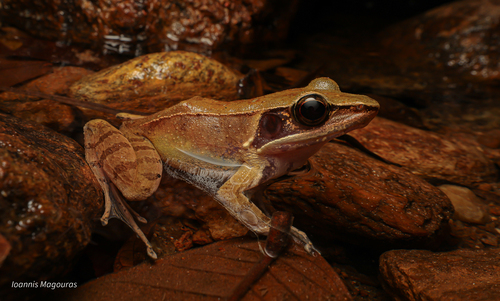


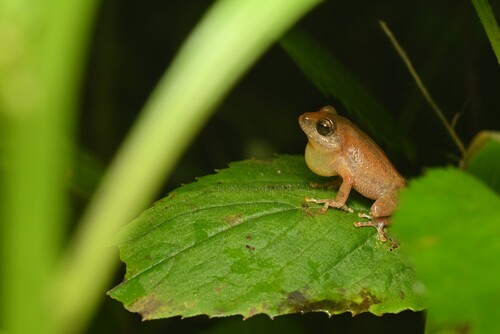


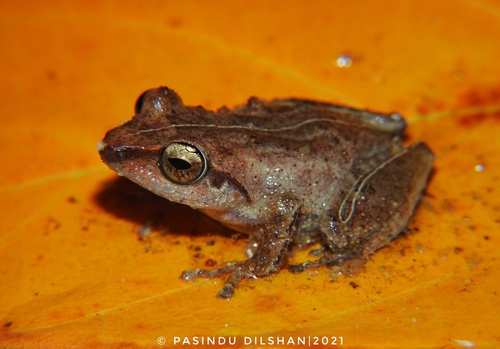


📊 Most Spotted
⭐ Iconic Species
🌙 Most active after dark


+ 487 more species with insufficient data
Recent sightings in Sinharaja Forest Reserve
LIVEiNaturalistSighting Calendar
How many species you'd see in a day
66Jan
69Feb
75Mar
67Apr
63May
58Jun
57Jul
69Aug
62Sep
57Oct
64Nov
61Dec
Sighting Zones
Warmer areas are where all species together are recorded most often.
-
Poddana
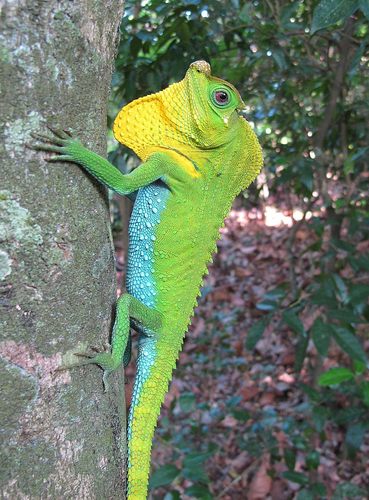
Daily sight. prob.vs avg Common Green Forest Lizard~90%+10%
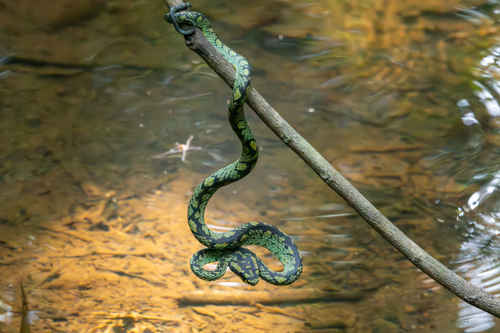
 Ceylon Pit Viper~90%+10%
 Wiegmann's Agama~90%≈
 Green Vine Snake~90%+10%
 Common Water Monitor~60%+10%
 Common Hourglass Tree Frog~60%+20%
 Common Indian Toad~60%+10%
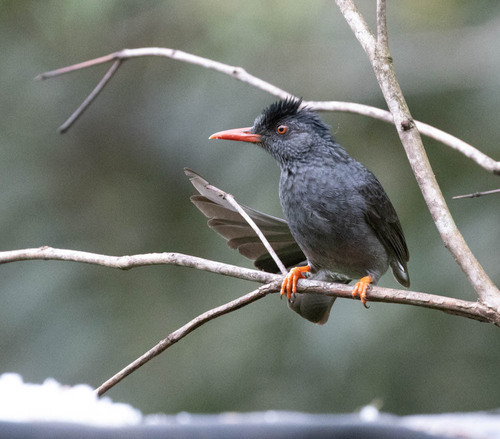
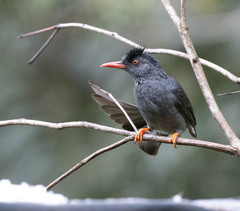 Square-tailed Bulbul~60%-20%
 Stripe-Tailed Bronzeback~50%+10%
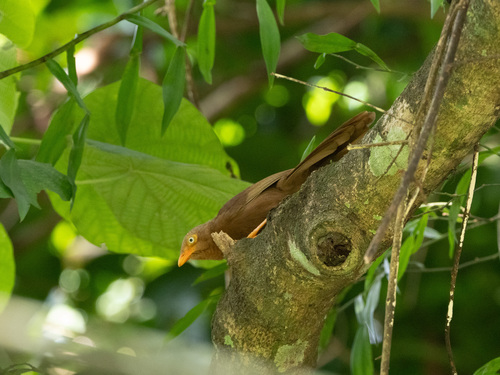
 Ceylon Hanging-Parrot~50%-30%
 Yellow-fronted Barbet~40%-30%
 Boulenger's Keelback~40%≈
-
6.409° N, 80.447° E
Daily sight. prob.vs avg -
Deniyaya access
Daily sight. prob.vs avg -
Kudawa Village area
Daily sight. prob.vs avg -
Rainforest Ecolodge


🏕️ Experience
Essentials
Entrance
Paid
Tourism
High
Typical stay
2–3
daysTrails
Hard
World Heritage
No
Climate
Temp °C Rain mm
JanFebMarAprMayJunJulAugSepOctNovDec
0.0 Excellent
Wallace's Line Score
How good is this park for seeing wildlife? 🦜
Biodiversity
Very goodHow rich is the wildlife?
4.3
Species by taxon
🦅 Birds 408
🐒 Mammals 101
🦎 Reptiles 125
🐸 Amphibians 78
712 Total Species
828 Global average across 316 parks
118 Threatened 3 Endemic
🔭
Sighting
ExcellentHow likely to see animals?
4.0
🎯
Top-12 Avg Probability
74% 📊
Coverage (220 species at ≥5% of 712 in the inventory)
31% 🔀
Taxon variety in top 12 (7 bird, 5 reptile)
65% 🔭
Species per 10 outings (distinct species a visitor would meet over 10 outings — effort held equal across parks)
102 🌟
Iconic-group species (≥15%) (every species from the 19 iconic groups — monkeys, cats, toucans, macaws, sloths, crocodilians… — not just the 4 highlighted above)
11 ⭐
High-prob species (>40%)
41 🏕️
Experience
GoodHow easy and pleasant is the visit?
3.3
Climate Mixed Medium
Entrance Paid Low
Tourism Medium Medium
Trails Hard Low
World Heritage No —
What visitors say
He watched us intently… a magnificent SL grey hornbill then arrived dramatically E15 and the square tailed bulbul, blue magpie all had to wait for the hornbill to vacate the platform… In contrast, the brilliantly differently coloured yellow browed bulbul also dropped in…not an endemic but a lifer for us.
We also observed a Lesser Yellownape in the same area, a very beautiful, medium-sized woodpecker.
It was nice to get another look at the Malabar Trogon after already seeing it at Kithulgala … … particularly that this was the first time I also saw the female.
Within a week of returning from the Maldives (see previous post) I was in the field again-this time in the northwestern edges of Sri Lanka’s Sinharaja rainforest.
Before you go
What animals can you see in Sinharaja Forest Reserve?
712 species
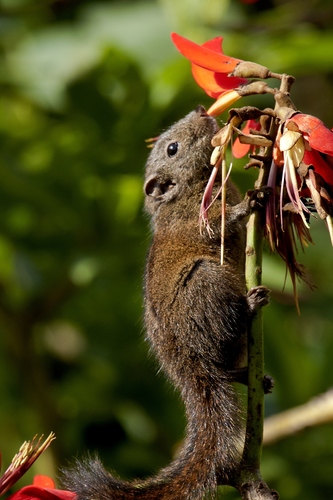
Sinharaja Forest Reserve has 712 recorded vertebrate species. The ones wildlife watchers report most often on a given day are Wiegmann's Agama (about 90%), Common Green Forest Lizard (about 90%), Ceylon Pit Viper (about 80%), Square-tailed Bulbul (about 80%) and Green Vine Snake (about 80%). Among mammals, the most-seen is Indian Palm Squirrel (about 50%); among amphibians, Common Indian Toad (about 50%).
When is the best time to visit Sinharaja Forest Reserve for wildlife?
April–May and November–December
In those months the park's 12 most-seen species average about 80% on a given day, against about 70% in January–March and June–October.
Can you see a Ceylon Pit Viper in Sinharaja Forest Reserve?
Yes
About 80% of wildlife watchers report a Ceylon Pit Viper sighting in Sinharaja Forest Reserve on a given day, based on 277 verified sightings from GBIF citizen-science data from 2019 to 2026. The best time is January–February, April–May, July, September and November (about 90%).
Can you see a Wiegmann's Agama in Sinharaja Forest Reserve?
Yes
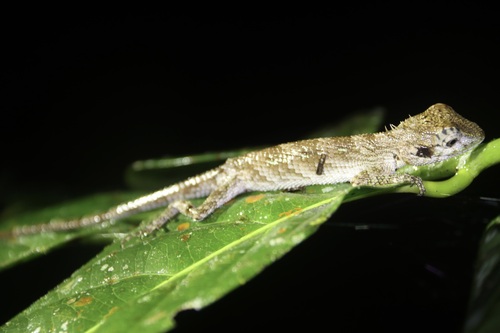
About 90% of wildlife watchers report a Wiegmann's Agama sighting in Sinharaja Forest Reserve on a given day, based on 472 verified sightings from GBIF citizen-science data from 2019 to 2026. The best time is January–February, April–May and July–November (about 90%).
Can you see a Common Hourglass Tree Frog in Sinharaja Forest Reserve?
Yes
About 40% of wildlife watchers report a Common Hourglass Tree Frog sighting in Sinharaja Forest Reserve on a given day, based on 45 verified sightings from GBIF citizen-science data from 2019 to 2026. The best time is January–February, April, June and August (about 50%).
Where in Sinharaja Forest Reserve is wildlife easiest to see?
Around Poddana
The richest sighting zone is around Poddana, followed by Deniyaya access, ranked by how many of the park's headline animals visitors can expect to see in each. See the zones on the map.
Is Sinharaja Forest Reserve good for wildlife watching?
4.1 out of 5
On the Wallace's Line Score, Sinharaja Forest Reserve rates 4.1/5: 97th of 316 parks worldwide and 16th in Asia. 54 of its species are reported by about 40% or more of wildlife watchers on a given day.


