Aquarium
Enoshima Aquarium
🇯🇵 Japan
🐠 Aquarium, Japan 53 spp. present
Enoshima Aquarium or New Enoshima Aquarium (新江ノ島水族館, Shin Enoshima Suizokukan) is a public aquarium located on Katase Beach in Fujisawa City, Kanagawa Prefecture, Japan. Its nickname is "Enosui," an abbreviation of the Japanese name. The aquarium is accredited as a Museum-equivalent facilities by the Museum Act from Ministry of Education, Culture, Sports, Science and Technology. Wikipedia (CC BY-SA)
35.310° N 139.480° E
🎟️ Visit

Essentials
Entrance
—
Tourism
High
Species present
53
speciesOpened
1952
Size
Small
What visitors say
🐠 Animals in captivity


LC
Spotted Seal
Phoca largha

 Bronze Whaler
Carcharhinus brachyurus
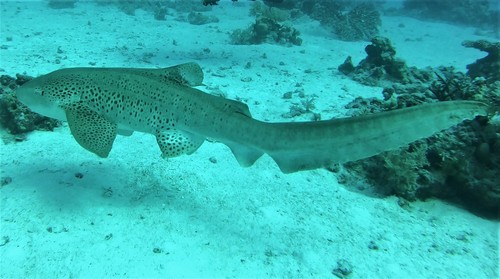


 Japanese Bullhead Shark
Heterodontus japonicus

CR
 Axolotl
Ambystoma mexicanum
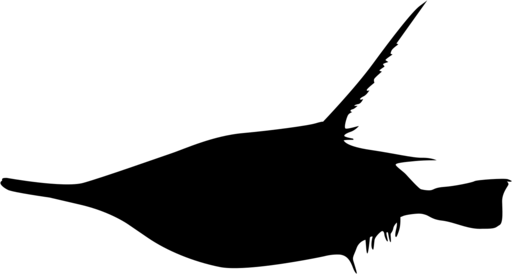
 Common Bellowsfish
Macroramphosus scolopax
Before you go
Where is Enoshima Aquarium?
Tokyo, Japan
Enoshima Aquarium is an aquarium in Tokyo, Japan. Its coordinates are 35.310° N, 139.480° E. The nearest national park in our atlas is Nikko National Park, about 171 km away.
What animals can you see at Enoshima Aquarium?
53 species
Citizen-science photos record 53 species at Enoshima Aquarium, including Humboldt Penguin, Spotted Seal, Bronze Whaler, Zebra Shark and Green Sea Turtle. Those with a page of their own in our atlas show the odds of seeing them in the wild.
Where can you see the animals of Enoshima Aquarium in the wild?
Zebra Shark: Ningaloo Marine Park
Some of the animals photographed at Enoshima Aquarium also live in the parks and cities we cover: Zebra Shark (about 40% of wildlife watchers report it on a given day in Ningaloo Marine Park) and Green Sea Turtle (about 80% of wildlife watchers report it on a given day in Coiba National Park).
When did Enoshima Aquarium open and how big is it?
Opened 1952, 1.3 ha
Enoshima Aquarium, an aquarium in Tokyo, Japan, opened in 1952 and covers about 1.3 ha, according to Wikidata and OpenStreetMap. Today 53 species are photographed there.
Nearest Zoos & Centres


Nearest Parks


Sources: © OpenStreetMap contributors (ODbL) · Wikidata (CC0) · iNaturalist observers · Wikipedia (CC BY-SA)