





All 2 in 3 days here: >90%
Coiba National Park
🇵🇦 Panama
Pacific Islands, Panama 584 spp. recorded
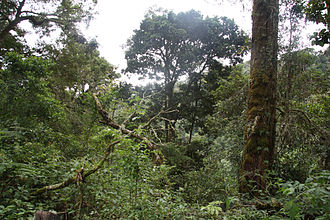
Coiba National Park is a remote protected marine and coastal sanctuary situated off the Pacific coast of Panama, encompassing dense tropical rainforests, sheltered mangroves, and pristine coral reefs. This isolated island refuge remains largely untouched by mainland development, preserving wild habitats that stay remarkably intact.
7.486° N 81.723° W
🦜 Nature

255 Species sighted
6,218 Verified sightings From 2019 to 2026
Mar Best month
⭐ Iconic Species
📊 Most Spotted
⭐ Iconic Species
📊 Most Spotted
⭐ Iconic Species
📊 Most Spotted
📊 Most Spotted
📊 Most Spotted
⭐ Iconic Species
📊 Most Spotted
📊 Most Spotted
🌙 Most active after dark
+ 454 more species with insufficient data
Challenges you can complete here
Recent sightings in Coiba National Park
LIVEiNaturalistSighting Calendar
How many species you'd see in a day
33Jan
35Feb
36Mar
31Apr
8.1May
28Jun
35Jul
34Aug
30Sep
6.6Oct
29Nov
31Dec
Sighting Zones
Warmer areas are where all species together are recorded most often.
-
Cabañas
Daily sight. prob.vs avg -
Sendero Los Monos
Daily sight. prob.vs avg Black Spiny-tailed Iguana~90%+30%
 Central American White-faced Capuchin~90%+40%
 American Crocodile~70%-10%
 Hawksbill~70%-20%
 Green Iguana~60%+30%
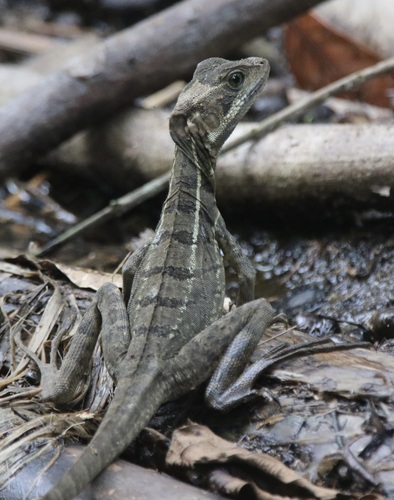
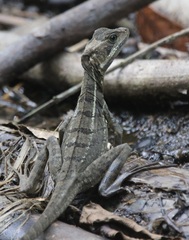 Common Basilisk~60%+10%
 Black Vulture~50%-20%
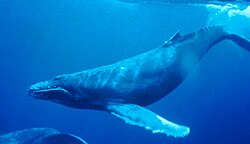 Humpback Whale~40%+10%
 Pantropical Spotted Dolphin~40%≈
 Green Sea Turtle~40%-30%
 Lance-tailed Manakin~40%-20%
 Barred Antshrike~40%-20%
-
Isla Coibita (Isla Ranchería)
Daily sight. prob.vs avg- Black Spiny-tailed Iguana~90%+30%
- Common Basilisk~90%+30%
- Central American White-faced Capuchin~70%+30%
- Hawksbill~70%-20%
- Black Vulture~60%-20%
- Green Sea Turtle~50%-20%
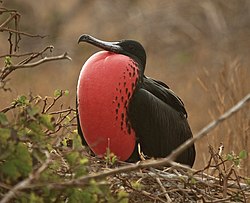 Magnificent Frigatebird~50%-10%
- Pantropical Spotted Dolphin~50%≈
- Green Iguana~50%+10%
 Mantled Howler Monkey~40%-20%
 Great-tailed Grackle~40%-10%
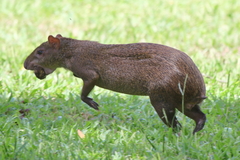


🏕️ Experience
Essentials
Climate
Temp °C Rain mm
JanFebMarAprMayJunJulAugSepOctNovDec
0.0 Excellent
Wallace's Line Score
How good is this park for seeing wildlife? 🦜
Biodiversity
GoodHow rich is the wildlife?
3.9
Species by taxon
🦅 Birds 326
🐒 Mammals 170
🦎 Reptiles 67
🐸 Amphibians 8
🦈 Sharks & Rays 13
584 Total Species
828 Global average across 316 parks
24 Threatened 40 Endemic
🔭
Sighting
ExcellentHow likely to see animals?
4.0
🎯
Top-12 Avg Probability
71% 📊
Coverage (152 species at ≥5% of 584 in the inventory)
26% 🔀
Taxon variety in top 12 (7 bird, 4 reptile, 1 elasmobranch)
72% 🔭
Species per 10 outings (distinct species a visitor would meet over 10 outings — effort held equal across parks)
103 🌟
Iconic-group species (≥15%) (every species from the 19 iconic groups — monkeys, cats, toucans, macaws, sloths, crocodilians… — not just the 4 highlighted above)
16 ⭐
High-prob species (>40%)
37 🏕️
Experience
Very goodHow easy and pleasant is the visit?
3.9
Climate Mixed Medium
Entrance Paid Low
Tourism Low High
Trails Moderate Medium
World Heritage Yes Bonus
What visitors say
Marine Life In Coiba, we saw Mobula rays, white-tip reef sharks, green turtles, octopuses, frogfish, stingrays, wahoo, moray eels (green & jewel), seahorses, barracudas, and various reef fish.
Most of the sharks we saw were whitetip reef sharks.
While backpacking through Panama, I really wanted to spot the whale sharks that travel through Coiba National Park during their migratory route.
A little later, we even saw two reef sharks and a large sea turtle, yay!
Before you go
What animals can you see in Coiba National Park?
584 species
Coiba National Park has 584 recorded vertebrate species. The ones wildlife watchers report most often on a given day are Whitetip Reef Shark (about 90%), Hawksbill (about 90%), American Crocodile (about 80%), Green Sea Turtle (about 80%) and Black Vulture (about 70%). Among mammals, the most-seen is Mantled Howler Monkey (about 50%).
When is the best time to visit Coiba National Park for wildlife?
July
In that month the park's 12 most-seen species average about 80% on a given day, against about 60% in June, September and November. That is one of Coiba National Park's wettest months, with about 490 mm of rain against 35 mm in February.
Can you see a Humpback Whale in Coiba National Park?
Yes
About 30% of wildlife watchers report a Humpback Whale sighting in Coiba National Park on a given day, based on 9 verified sightings from GBIF citizen-science data from 2019 to 2026. The best time is July and October (about 60%).
Can you see a Whitetip Reef Shark in Coiba National Park?
Yes
About 90% of wildlife watchers report a Whitetip Reef Shark sighting in Coiba National Park on a given day, based on 220 verified sightings from GBIF citizen-science data from 2019 to 2026.
Can you see a Whale Shark in Coiba National Park?
Yes
About 40% of wildlife watchers report a Whale Shark sighting in Coiba National Park on a given day, based on 11 verified sightings from GBIF citizen-science data from 2019 to 2026. The best time is March (about 70%).
Can you see a Scarlet Macaw in Coiba National Park?
Yes
About 30% of wildlife watchers report a Scarlet Macaw sighting in Coiba National Park on a given day, based on 89 verified sightings from GBIF citizen-science data from 2019 to 2026. The best time is April (about 50%).
Is Coiba National Park good for wildlife watching?
4.0 out of 5
On the Wallace's Line Score, Coiba National Park rates 4.0/5: 101st of 316 parks worldwide and 13th in Central America. 42 of its species are reported by about 40% or more of wildlife watchers on a given day.