Zoo
Northumberland College Zoo
🇬🇧 United Kingdom
🦒 Zoo or wildlife park, United Kingdom 29 spp. present
Northumberland College Zoo is a zoo located in Ponteland, Northumberland. Based within the 400-acre (160 ha) Kirkley Hall College campus, which is also shared with Kirkley Hall, the site is home to over 200 species and is managed by Northumberland College. It has been a member of the British and Irish Association of Zoos and Aquariums (BIAZA) since 2012. Wikipedia (CC BY-SA)
55.089° N 1.766° W
🎟️ Visit

Essentials
Entrance
—
Tourism
High
Species present
29
speciesOpened
2011
Size
—
Visit
Opening hours
Sat–Sun · 10:00–16:00
Getting there
What visitors say
🦒 Animals in captivity


LC
Panther Chameleon
Furcifer pardalis





Before you go
Where is Northumberland College Zoo?
United Kingdom
Northumberland College Zoo is a zoo or wildlife park in the United Kingdom. Its coordinates are 55.089° N, 1.766° W. The nearest national park in our atlas is Cairngorms National Park, about 249 km away.
What animals can you see at Northumberland College Zoo?
29 species
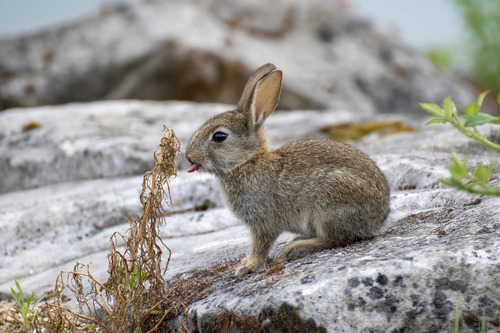
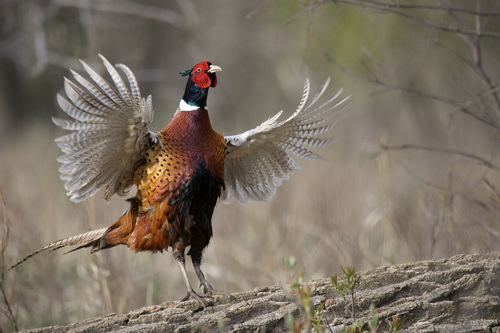
Citizen-science photos record 29 species at Northumberland College Zoo, including Slender-tailed Meerkat, Common Peafowl, Panther Chameleon, European Rabbit and Red-crowned Crane. Those with a page of their own in our atlas show the odds of seeing them in the wild.
Where can you see the animals of Northumberland College Zoo in the wild?
Slender-tailed Meerkat: Kgalagadi Transfrontier Park
Some of the animals photographed at Northumberland College Zoo also live in the parks and cities we cover: Slender-tailed Meerkat (about 40% of wildlife watchers report it on a given day in Kgalagadi Transfrontier Park), Common Peafowl (about 90% of wildlife watchers report it on a given day in Udawalawe National Park) and European Rabbit (about 30% of wildlife watchers report it on a given day in Cairngorms National Park).
When is Northumberland College Zoo open?
Sat–Sun · 10:00–16:00
According to its open map listing, Northumberland College Zoo is open Sat–Sun · 10:00–16:00. Opening hours change with the season and on public holidays, so confirm them on the official website before you travel.
When did Northumberland College Zoo open?
Opened 2011
Northumberland College Zoo, a zoo or wildlife park in the United Kingdom, opened in 2011, according to Wikidata and OpenStreetMap. Today 29 species are photographed there.
Nearest Zoos & Centres




Nearest Parks


Nearest Cities


Sources: Wikidata (CC0) · iNaturalist observers · Wikipedia (CC BY-SA) · the centre's official website