Aquarium
Oita Marine Palace Aquarium
🇯🇵 Japan
🐠 Aquarium, Japan 8 spp. present
The Oita Marine Palace Aquarium (大分マリーンパレス水族館, Ōita Marin Paresu Suizokukan) is located on the Takasaki Yamashita Coast in Oita City, Oita Prefecture, Japan. Its common name is Umitamago (うみたまご). Wikipedia (CC BY-SA)
33.259° N 131.536° E
🎟️ Visit

Essentials
Entrance
—
Tourism
High
Species present
8
speciesOpened
2004
Size
Small
Visit
Opening hours
Every day · 9:00–17:00
Getting there
- Phone
- +81 97-534-1010
What visitors say
🐠 Animals in captivity




 Heteroconger

 Giant arapaima
Arapaima gigas

 Electric Yellow Cichlid
Labidochromis caeruleus
Electric Blue
Sciaenochromis fryeri
Before you go
Where is Oita Marine Palace Aquarium?
Japan
Oita Marine Palace Aquarium is an aquarium in Japan. Its coordinates are 33.259° N, 131.536° E. The nearest national park in our atlas is Nikko National Park, about 824 km away.
What animals can you see at Oita Marine Palace Aquarium?
8 species
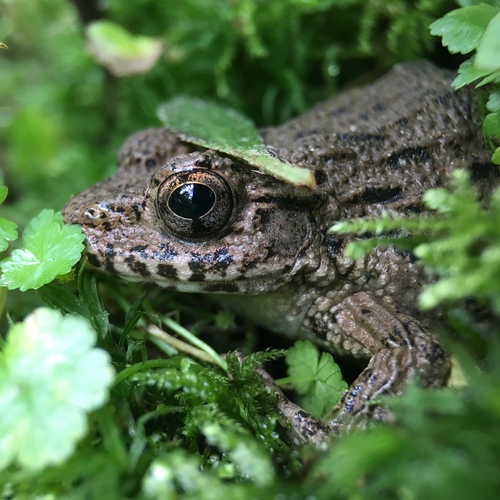
Citizen-science photos record 8 species at Oita Marine Palace Aquarium, including Great White Pelican, Wrinkled Frog, Asian Elephant, Lion and Heteroconger. Those with a page of their own in our atlas show the odds of seeing them in the wild.
Where can you see the animals of Oita Marine Palace Aquarium in the wild?
Great White Pelican: Lake Nakuru National Park
Some of the animals photographed at Oita Marine Palace Aquarium also live in the parks and cities we cover: Great White Pelican (about 80% of wildlife watchers report it on a given day in Lake Nakuru National Park), Wrinkled Frog (about 10% of wildlife watchers report it on a given day in Osaka) and Asian Elephant (about 90% of wildlife watchers report it on a given day in Udawalawe National Park).
When is Oita Marine Palace Aquarium open?
Every day · 9:00–17:00
According to its open map listing, Oita Marine Palace Aquarium is open Every day · 9:00–17:00. Opening hours change with the season and on public holidays, so confirm them on the official website before you travel.
When did Oita Marine Palace Aquarium open and how big is it?
Opened 2004, 1.0 ha
Oita Marine Palace Aquarium, an aquarium in Japan, opened in 2004 and covers about 1.0 ha, according to Wikidata and OpenStreetMap. Today 8 species are photographed there.
Nearest Zoos & Centres


Nearest Parks


Nearest Cities


Sources: © OpenStreetMap contributors (ODbL) · Wikidata (CC0) · iNaturalist observers · Wikipedia (CC BY-SA)