











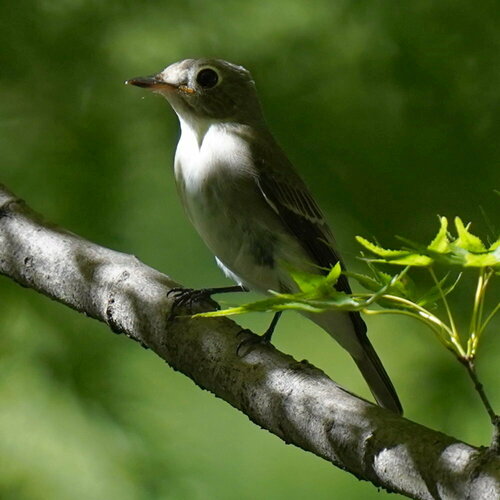


All 7 in 3 days here: <5%
City
Fukuoka
🇯🇵 Japan
Asia, Japan 168 spp. recorded
Fukuoka is a designated city in the Kyushu region of Japan and the capital city of Fukuoka Prefecture. The city is built along the shores of Hakata Bay, and has been a center of international commerce since ancient times. The area has long been considered the gateway to the country, as it is the nearest point among Japan's main islands to the Asian mainland. Wikipedia
33.624° N 130.390° E
🦜 Nature

168 Species sighted
6,763 Verified sightings From 2019 to 2026
Feb Best month
⭐ Iconic Species
📊 Most Spotted
📊 Most Spotted

LC
 Siberian Weasel
Mustela sibirica

LC Endemic
Japanese Hare
Lepus brachyurus
⭐ Iconic Species
📊 Most Spotted
⭐ Iconic Species
📊 Most Spotted

EN
Chinese Pond Turtle
Mauremys reevesii
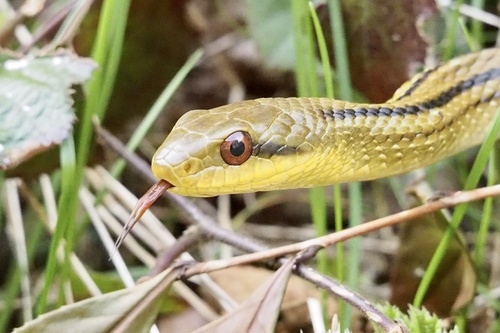
LC Endemic
 Japanese Four-lined Ratsnake
Elaphe quadrivirgata
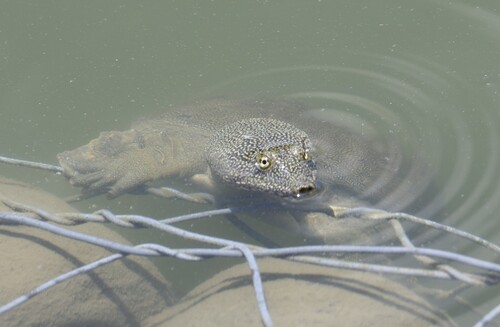
VU
 Chinese Soft-shelled Turtle
Pelodiscus sinensis
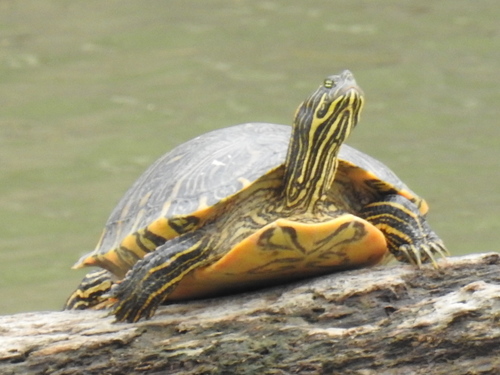
LC
 River Cooter
Pseudemys concinna

LC
 Short-tailed Mamushi
Gloydius blomhoffii
📊 Most Spotted

 American Bullfrog
Lithobates catesbeianus

LC
 Japanese Brown Frog
Rana japonica

LC
Tago's Brown Frog
Rana tagoi

LC
 Black-spotted Frog
Pelophylax nigromaculatus

LC
Japanese Tree Frog
Dryophytes japonicus
📊 Most Spotted
⭐ Iconic Species
🌙 Most active after dark
Challenges you can complete here
Recent sightings in Fukuoka
LIVEiNaturalistWhere to look
Warmer areas are where all species together are recorded most often.
-
Ohori Park
Daily sight. prob.vs avg Pond Slider>90%+40%
 Great Cormorant~90%+30%
 Mallard~80%+10%
 Grey Heron~80%+20%
 Large-billed Crow~80%+20%
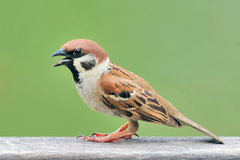 Eurasian Tree Sparrow~70%+10%
 Chinese Pond Turtle~40%+30%
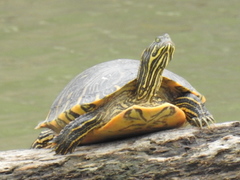 River Cooter~30%+20%
-
Fukuoka Castle Ruins and Maizuru Park
Daily sight. prob.vs avg- Pond Slider>90%+40%
- Eurasian Tree Sparrow~60%+10%
- Large-billed Crow~60%≈
 White-cheeked Starling~50%+10%
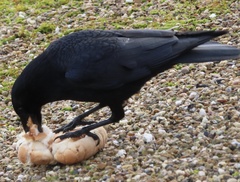 Carrion Crow~40%≈
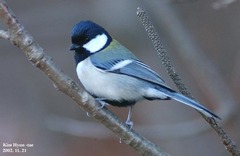 Cinereous Tit~40%-30%
- Chinese Pond Turtle~40%+20%
- River Cooter~30%+20%
-
Dazaifu · Dazaifu Tenmangu Shrine
Daily sight. prob.vs avg -
Fukuoka Zoo and Botanical Garden
-
Wajiro tidal flats


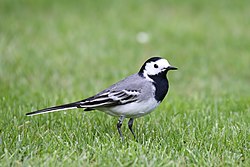


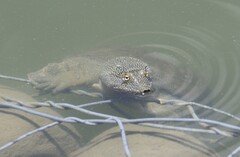
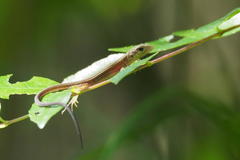

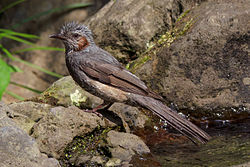


Sighting Calendar
How many species you'd see in a day
20Jan
24Feb
18Mar
22Apr
21May
21Jun
17Jul
19Aug
22Sep
21Oct
19Nov
19Dec
🏙️ City
Essentials
Green cover
Medium
Protected land
6%
Protected sea
35%
Protected areas
9
areasWildlife spots
7
spotsZoos & centres
1
placesClimate
Humid subtropical
World Heritage
No
Climate
Temp °C Rain mm
JanFebMarAprMayJunJulAugSepOctNovDec
Zoos & rescue centres

0.0 Good
Wallace's Line Score
How good is this city for seeing wildlife? 🦜
Biodiversity
Very goodHow rich is the wildlife?
4.3
Species by taxon
🦅 Birds 346
🐒 Mammals 83
🦎 Reptiles 25
🐸 Amphibians 20
474 Total Species
679 Global average across 380 cities
38 Threatened 24 Endemic
🔭
Sighting
GoodHow likely to see animals?
3.5
🎯
Top-12 Avg Probability
58% 📊
Coverage (79 species at ≥5% of 474 in the inventory)
17% 🔀
Taxon variety in top 12 (11 bird, 1 reptile)
20% 🌟
Iconic-group species (≥15%) (every species from the 19 iconic groups — monkeys, cats, toucans, macaws, sloths, crocodilians… — not just the 4 highlighted above)
0 ⭐
High-prob species (>40%)
17 🏕️
Experience
ExcellentHow easy and pleasant is the visit?
4.2
Climate Mixed Medium
Green cover Medium Medium
Protected land & sea 6% land · 35% sea High
Protected areas 9 High
Wildlife spots 7 Medium
Zoos & centres 1 Medium
What visitors say
Before you go
What animals can you see in Fukuoka?
168 species
Fukuoka's urban area has 168 recorded vertebrate species. The ones wildlife watchers report most often on a given day are Mallard (about 70%), Cinereous Tit (about 70%), Pond Slider (about 60%), Eurasian Tree Sparrow (about 60%) and Large-billed Crow (about 60%). Among amphibians, the most-seen is Rice field frog (about 20%).
When is the best time to see wildlife in Fukuoka?
February
In that month the city's 12 most-seen species average about 70% on a given day, against about 50% in January, April and July–September. That is one of Fukuoka's driest months, with about 90 mm of rain against 360 mm in July.
Can you see a Warbling White-eye in Fukuoka?
Yes
About 60% of wildlife watchers report a Warbling White-eye sighting in Fukuoka on a given day, based on 232 verified sightings from GBIF citizen-science data from 2019 to 2026. The best time is February (about 80%).
Can you see a Brown-eared Bulbul in Fukuoka?
Yes
About 60% of wildlife watchers report a Brown-eared Bulbul sighting in Fukuoka on a given day, based on 230 verified sightings from GBIF citizen-science data from 2019 to 2026. The best time is February (about 70%).
Can you see a Pygmy Woodpecker in Fukuoka?
Yes
About 40% of wildlife watchers report a Pygmy Woodpecker sighting in Fukuoka on a given day, based on 149 verified sightings from GBIF citizen-science data from 2019 to 2026. The best time is April (about 60%).
Where in Fukuoka is wildlife easiest to see?
Ohori Park
The spot where most wildlife watchers record their sightings is Ohori Park (67 bird species recorded), followed by Kasuga · Kasuga Park and Fukuoka Castle Ruins and Maizuru Park. See them on the map.
Is Fukuoka good for wildlife watching?
3.7 out of 5
On the Wallace's Line Score, which rates each city against other cities, Fukuoka gets 3.7/5: 293rd of 380 cities worldwide and 122nd in Asia. 21 of its species are reported by about 40% or more of wildlife watchers on a given day.
Nearest Cities


Nearest Parks


Nearest Zoos & Centres


Sources: urban area GHSL Urban Centre Database R2024A, European Commission JRC (CC BY 4.0) · protected land WDPA, UNEP-WCMC & IUCN (via GHSL) · climate NASA POWER · wildlife GBIF.org citizen-science data