Zoo
Wildpark Donsbach
🇩🇪 Germany
🦒 Zoo or wildlife park, Germany 3 spp. present
50.719° N 8.241° E
🎟️ Visit

Essentials
Entrance
Paid
Tourism
Medium
Species present
3
speciesOpened
1970
Size
Large
Visit
Opening hours
Mar–Oct · 8:00–18:00Nov–Feb · 10:00–16:00
Getting there
What visitors say
🦒 Animals in captivity




Before you go
Where is Wildpark Donsbach?
Germany
Wildpark Donsbach is a zoo or wildlife park in Germany. Its coordinates are 50.719° N, 8.241° E. The nearest national park in our atlas is Wadden Sea National Park, about 344 km away.
What animals can you see at Wildpark Donsbach?
3 species
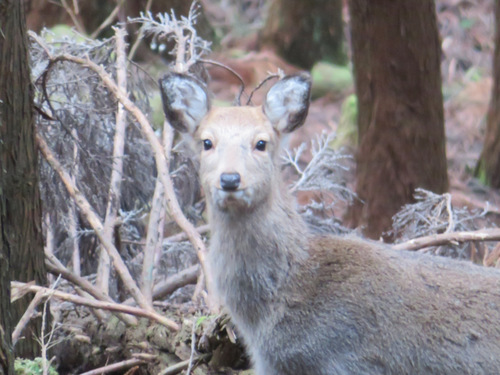
Citizen-science photos record 3 species at Wildpark Donsbach, including Fallow Deer, Sika Deer and Red Deer. Those with a page of their own in our atlas show the odds of seeing them in the wild.
Where can you see the animals of Wildpark Donsbach in the wild?
Fallow Deer: Kosciuszko National Park
Some of the animals photographed at Wildpark Donsbach also live in the parks and cities we cover: Fallow Deer (about 60% of wildlife watchers report it on a given day in Kosciuszko National Park), Sika Deer (about 70% of wildlife watchers report it on a given day in Nikko National Park) and Red Deer (about 80% of wildlife watchers report it on a given day in Monfragüe National Park).
Does Wildpark Donsbach charge an entrance fee?
Yes, it is paid
The open map data for Wildpark Donsbach lists it as a paid-entry attraction. It does not include ticket prices or any change since it was last edited, so check the official website before you go.
When is Wildpark Donsbach open?
Mar–Oct · 8:00–18:00
According to its open map listing, Wildpark Donsbach is open Mar–Oct · 8:00–18:00; Nov–Feb · 10:00–16:00. Opening hours change with the season and on public holidays, so confirm them on the official website before you travel.
When did Wildpark Donsbach open and how big is it?
Opened 1970, 18 ha
Wildpark Donsbach, a zoo or wildlife park in Germany, opened in 1970 and covers about 18 ha, according to Wikidata and OpenStreetMap. Today 3 species are photographed there.
Nearest Zoos & Centres


Nearest Parks


Nearest Cities


Sources: © OpenStreetMap contributors (ODbL) · Wikidata (CC0) · iNaturalist observers