








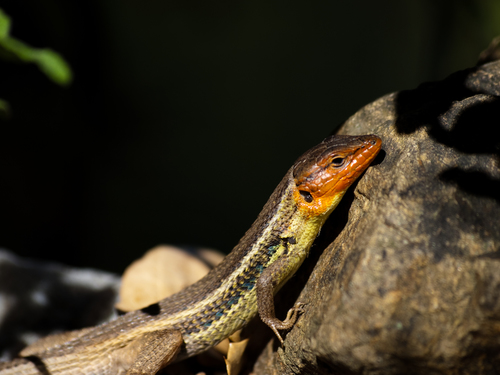


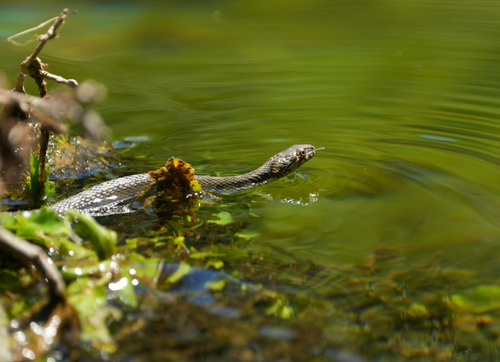

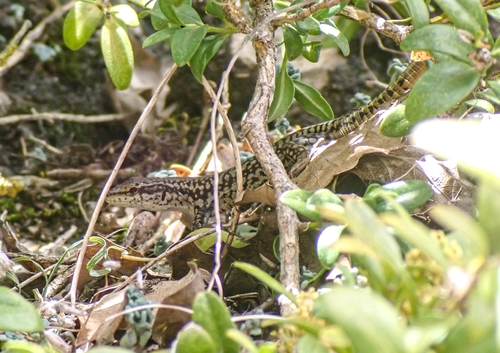


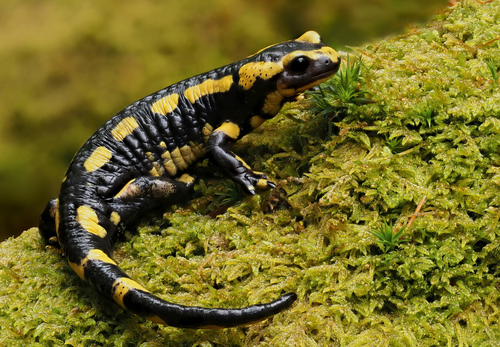

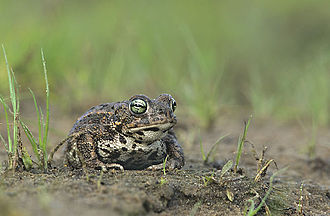


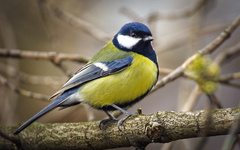
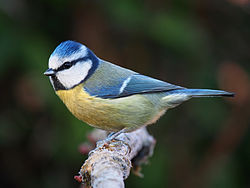


All 5 in 3 days here: ~50%
Monfragüe National Park
🇪🇸 Spain
Iberia, Spain 473 spp. recorded
Monfragüe National Park is a rugged expanse of Mediterranean scrub in the heart of the Iberian Peninsula, defined by ancient woodlands, dense thickets, and sheer quartzite crags rising above winding rivers. This protected terrain offers a distinct sanctuary for specialized flora and fauna adapted to hot, dry summers and rocky terrain.
39.859° N 6.024° W
🦜 Nature

280 Species sighted
173,463 Verified sightings From 2019 to 2026
Apr Best month
⭐ Iconic Species
📊 Most Spotted
📊 Most Spotted
⭐ Iconic Species
📊 Most Spotted
📊 Most Spotted
📊 Most Spotted
📊 Most Spotted
🌙 Most active after dark
+ 230 more species with insufficient data
Challenges you can complete here
Recent sightings in Monfragüe National Park
LIVEiNaturalistSounds of Monfragüe National Park
Soundscape3:13
Spain · 2011
© Rombout de Wijs · XC611244 · CC BY-NC-SA 4.0
Sighting Calendar
How many species you'd see in a day
36Jan
38Feb
50Mar
59Apr
53May
39Jun
36Jul
33Aug
35Sep
39Oct
38Nov
35Dec
Sighting Zones
Warmer areas are where all species together are recorded most often.
-
Peña Falcón/Salto del Gitano
-
Embalse de Arrocampo · Observatorio 2
-
La Tajadilla









🏕️ Experience
Essentials
Entrance
Free
Tourism
High
Typical stay
1–2
daysTrails
Easy
World Heritage
No
Climate
Temp °C Rain mm
JanFebMarAprMayJunJulAugSepOctNovDec
0.0 Good
Wallace's Line Score
How good is this park for seeing wildlife? 🦜
Biodiversity
GoodHow rich is the wildlife?
3.1
Species by taxon
🦅 Birds 334
🐒 Mammals 74
🦎 Reptiles 46
🐸 Amphibians 19
473 Total Species
828 Global average across 316 parks
28 Threatened 9 Endemic
🔭
Sighting
Very goodHow likely to see animals?
3.3
🎯
Top-12 Avg Probability
62% 📊
Coverage (155 species at ≥5% of 473 in the inventory)
33% 🔀
Taxon variety in top 12 (11 bird, 1 mammal)
20% 🔭
Species per 10 outings (distinct species a visitor would meet over 10 outings — effort held equal across parks)
112 🌟
Iconic-group species (≥15%) (every species from the 19 iconic groups — monkeys, cats, toucans, macaws, sloths, crocodilians… — not just the 4 highlighted above)
7 ⭐
High-prob species (>40%)
30 🏕️
Experience
Very goodHow easy and pleasant is the visit?
4.3
Climate Mixed Medium
Entrance Free High
Tourism Medium Medium
Trails Easy High
World Heritage No —
What visitors say
The first thing we saw was an awesome Bonelli's Eagle.
Our drive to the Dehesa lands of the west took us through some excellent Iberian terrain with lots of hills and the plains around Ciudad Real where we saw our first Azure-winged Magpie and Common Kestrels.
What to see in Monfrague National Park, Spain – Embalse de las Covachillas We had our first encounter with black storks, a migrant bird, here.
Our great day started as we left the hotel at 8:30am after a lovely breakfast, Crag Martins were dashing about in the car park and we saw Azure-winged Magpies across the road in the ‘dehesa’.
Before you go
What animals can you see in Monfragüe National Park?
473 species
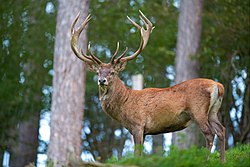
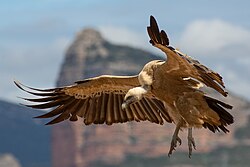
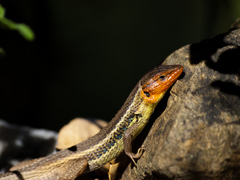
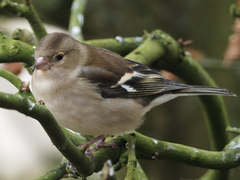
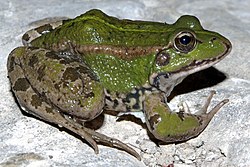
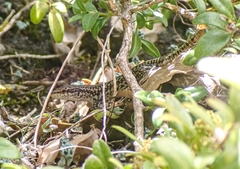
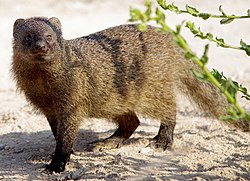
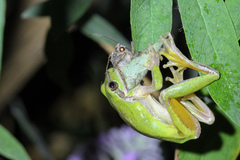
Monfragüe National Park has 473 recorded vertebrate species. The ones wildlife watchers report most often on a given day are Red Deer (about 80%), Griffon Vulture (about 70%), Eurasian Blackbird (about 60%), Chaffinch (about 60%) and Spotless Starling (about 60%). Among reptiles, the most-seen is Large Psammodromus (about 50%); among amphibians, Iberian Green Frog (about 50%).
When is the best time to visit Monfragüe National Park for wildlife?
February to November
In those months the park's 12 most-seen species average about 60% on a given day, against about 50% in December and January.
Can you see a Griffon Vulture in Monfragüe National Park?
Yes
About 70% of wildlife watchers report a Griffon Vulture sighting in Monfragüe National Park on a given day, based on 6,739 verified sightings from GBIF citizen-science data from 2019 to 2026. The best time is April (about 90%).
Can you see a Cinereous Vulture in Monfragüe National Park?
Yes
About 60% of wildlife watchers report a Cinereous Vulture sighting in Monfragüe National Park on a given day, based on 4,417 verified sightings from GBIF citizen-science data from 2019 to 2026. The best time is March to May (about 70%).
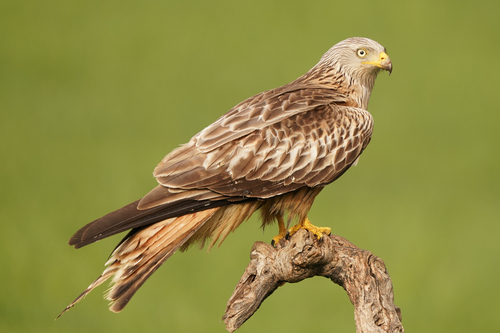
Can you see a Red Kite in Monfragüe National Park?
Yes
About 40% of wildlife watchers report a Red Kite sighting in Monfragüe National Park on a given day, based on 2,009 verified sightings from GBIF citizen-science data from 2019 to 2026. The best time is January (about 60%).
Where in Monfragüe National Park is wildlife easiest to see?
Around Peña Falcón/Salto del Gitano
The richest sighting zone is around Peña Falcón/Salto del Gitano, followed by Embalse de Arrocampo · Observatorio 2 and Plasencia · Casco histórico, ranked by how many of the park's headline animals visitors can expect to see in each. See the zones on the map.
Is Monfragüe National Park good for wildlife watching?
3.3 out of 5
On the Wallace's Line Score, Monfragüe National Park rates 3.3/5: 247th of 316 parks worldwide and 7th in Europe. 35 of its species are reported by about 40% or more of wildlife watchers on a given day.