Zoo
Zoológico Los Coyotes
🇲🇽 Mexico
🦒 Zoo or wildlife park, Mexico 64 spp. present
The Zoológico Los Coyotes is the third zoo in Mexico City, Mexico. It was opened on 2 February 1999 to complement the other zoos of the City of Mexico. It is built on a site that was previously a centre for seized animals, which it fell into disrepair. It mainly exhibits endemic and native fauna of Mexico including two coyotes, the species that the zoo is named after. Wikipedia (CC BY-SA)
19.319° N 99.122° W
🎟️ Visit

Essentials
Entrance
—
Tourism
High
Species present
64
speciesOpened
1999
Size
Medium
Visit
Getting there
- Address
- Av. H. Escuela Naval Militar
What visitors say
🦒 Animals in captivity




Before you go
Where is Zoológico Los Coyotes?
Mexico City, Mexico
Zoológico Los Coyotes is a zoo or wildlife park in Mexico City, Mexico, at Av. H. Escuela Naval Militar. Its coordinates are 19.319° N, 99.122° W. The nearest national park in our atlas is Reserva de la Biosfera Mariposa Monarca, about 123 km away.
What animals can you see at Zoológico Los Coyotes?
64 species
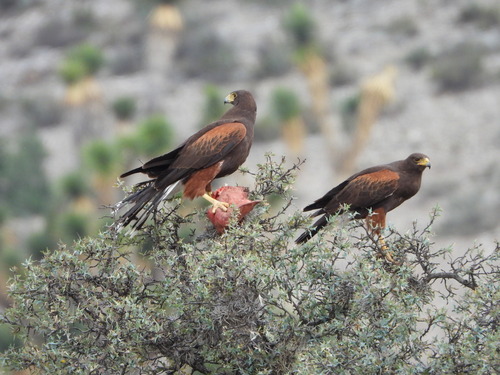
Citizen-science photos record 64 species at Zoológico Los Coyotes, including White-tailed Deer, Bobcat, Mountain Lion, Zebra Finch and Coyote. Those with a page of their own in our atlas show the odds of seeing them in the wild.
Where can you see the animals of Zoológico Los Coyotes in the wild?
White-tailed Deer: Chingaza National Natural Park
Some of the animals photographed at Zoológico Los Coyotes also live in the parks and cities we cover: White-tailed Deer (about 90% of wildlife watchers report it on a given day in Chingaza National Natural Park), Bobcat (about 20% of wildlife watchers report it on a given day in Yosemite National Park) and Mountain Lion (about 60% of wildlife watchers report it on a given day in Torres del Paine National Park).
When did Zoológico Los Coyotes open and how big is it?
Opened 1999, 12 ha
Zoológico Los Coyotes, a zoo or wildlife park in Mexico City, Mexico, opened in 1999 and covers about 12 ha, according to Wikidata and OpenStreetMap. Today 64 species are photographed there.
Nearest Zoos & Centres


Nearest Parks


Sources: © OpenStreetMap contributors (ODbL) · Wikidata (CC0) · iNaturalist observers · Wikipedia (CC BY-SA)