Zoo
Chapultepec Zoo
🇲🇽 Mexico
🦒 Zoo or wildlife park, Mexico 215 spp. present
Chapultepec Zoo (Spanish: Zoológico de Chapultepec) is a zoo located in Chapultepec Park; it is one of four zoos near Mexico City, and the best known Mexican zoo. It was founded July 6, 1923, by Mexican biologist Alfonso Luis Herrera using donations from private citizens and governmental funds from the Ministry of Agriculture and Development, and also with funds from the Society of Biological Studies. Wikipedia (CC BY-SA)
19.424° N 99.189° W
🎟️ Visit

Essentials
Entrance
—
Tourism
High
Species present
215
speciesOpened
1924
Size
Large
Visit
Who runs it
- Founded by
- Alfonso L. Herrera
What visitors say
🦒 Animals in captivity




Before you go
Where is Chapultepec Zoo?
Mexico City, Mexico
Chapultepec Zoo is a zoo or wildlife park in Mexico City, Mexico. Its coordinates are 19.424° N, 99.189° W. The nearest national park in our atlas is Reserva de la Biosfera Mariposa Monarca, about 114 km away.
What animals can you see at Chapultepec Zoo?
215 species
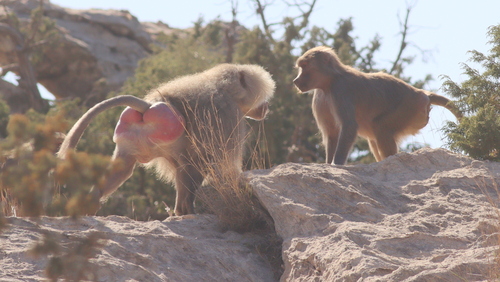
Citizen-science photos record 215 species at Chapultepec Zoo, including Domestic Bactrian Camel, Gemsbok, Hamadryas Baboon, Sable Antelope and Common Peafowl. Those with a page of their own in our atlas show the odds of seeing them in the wild.
Where can you see the animals of Chapultepec Zoo in the wild?
Domestic Bactrian Camel: Gobi Gurvansaikhan National Park
Some of the animals photographed at Chapultepec Zoo also live in the parks and cities we cover: Domestic Bactrian Camel (about 40% of wildlife watchers report it on a given day in Gobi Gurvansaikhan National Park), Gemsbok (about 70% of wildlife watchers report it on a given day in Etosha National Park) and Sable Antelope (about 70% of wildlife watchers report it on a given day in Liwonde National Park).
When did Chapultepec Zoo open and how big is it?
Opened 1924, 17 ha
Chapultepec Zoo, a zoo or wildlife park in Mexico City, Mexico, opened in 1924 and covers about 17 ha, according to Wikidata and OpenStreetMap. Today 215 species are photographed there.
Nearest Zoos & Centres


Nearest Parks


Sources: © OpenStreetMap contributors (ODbL) · Wikidata (CC0) · iNaturalist observers · Wikipedia (CC BY-SA)