City
Puebla
🇲🇽 México
North America, México 310 spp. recorded
Puebla is a city in México. Since that time the area, especially around the capital city, has continued to grow economically, mostly through industry, despite being the scene of a number of battles, the most notable of which being the Battle of Puebla. Today, the state is one of the most industrialized in the country, but since most of its development is concentrated in Puebla and other cities, many of its rural areas are undeveloped. Wikipedia
19.044° N 98.182° W
🦜 Nature

310 Species sighted
22,635 Verified sightings From 2019 to 2026
Dec Best month
⭐ Iconic Species


📊 Most Spotted


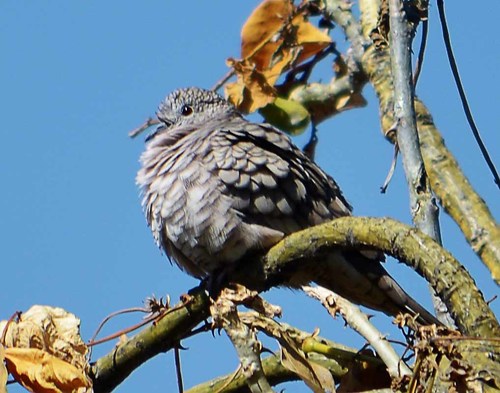


📊 Most Spotted


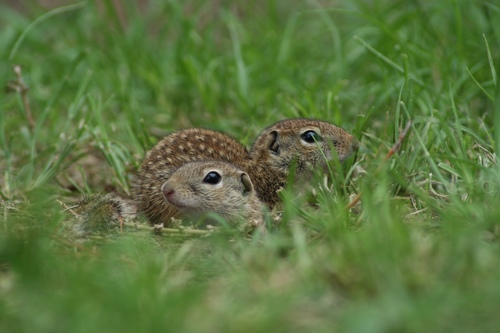
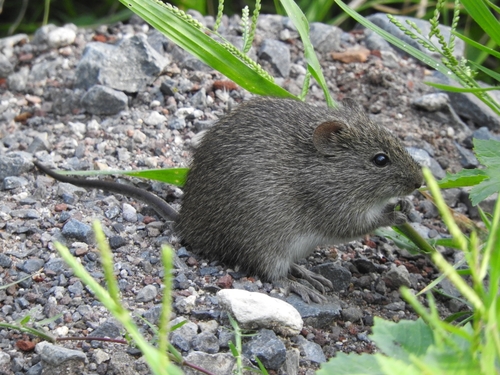


LC
 Eastern Cottontail
Sylvilagus floridanus

LC
Brown Rat
Rattus norvegicus
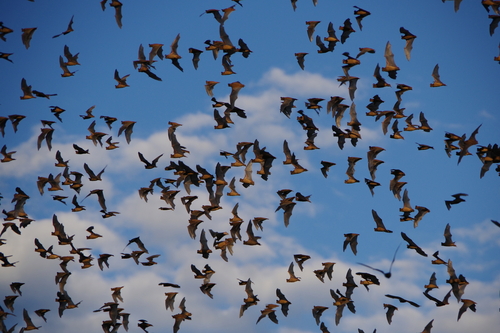
LC
Mexican Free-tailed Bat
Tadarida brasiliensis

LC
 Gray Fox
Urocyon cinereoargenteus

LC
Hooded Skunk
Mephitis macroura
⭐ Iconic Species
📊 Most Spotted
⭐ Iconic Species
📊 Most Spotted




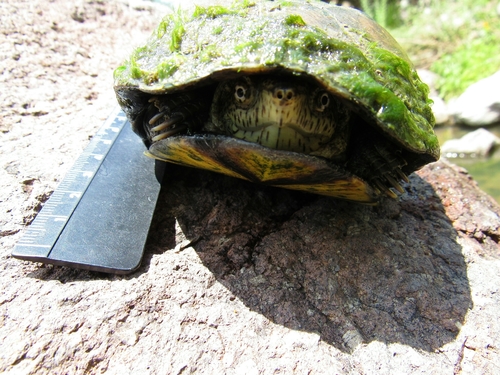


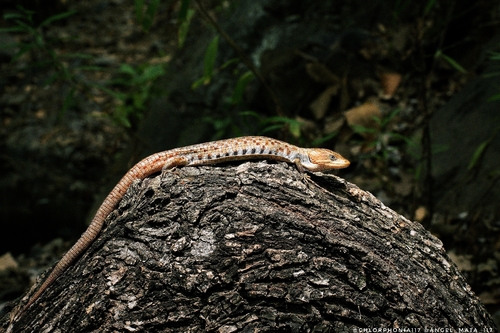
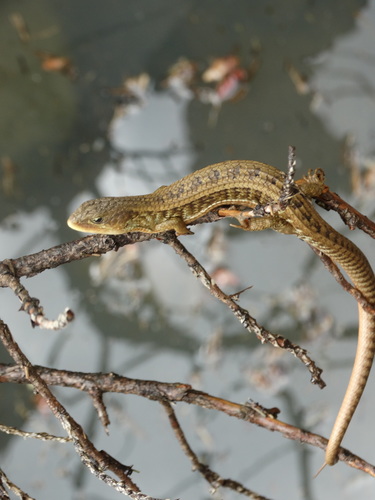

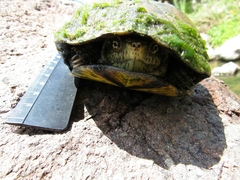
 Mesoamerican Slider
Trachemys venusta

LC
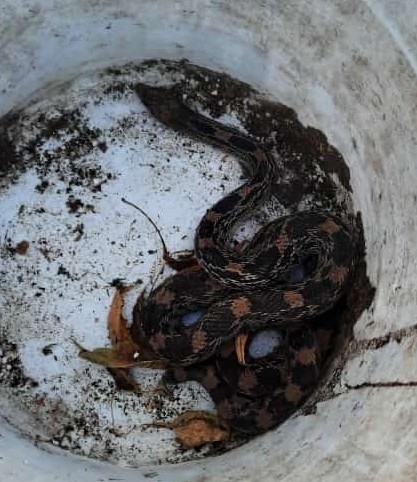
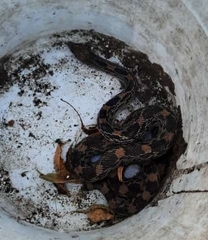
Mexican Pygmy Rattlesnake
Crotalus ravus
📊 Most Spotted
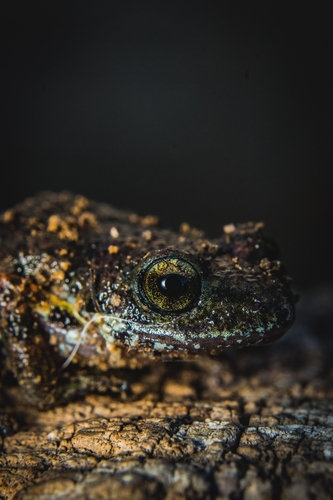


LC
 Pine Toad
Incilius occidentalis

LC
 Plateau Toad
Anaxyrus compactilis

LC
 Showy Leopard Frog
Lithobates spectabilis
📊 Most Spotted
🌙 Most active after dark
LC
Eastern Cottontail
Sylvilagus floridanus
LC
Hooded Skunk
Mephitis macroura

LC
 Common House Gecko
Hemidactylus frenatus

LC
 Snow Goose
Anser caerulescens
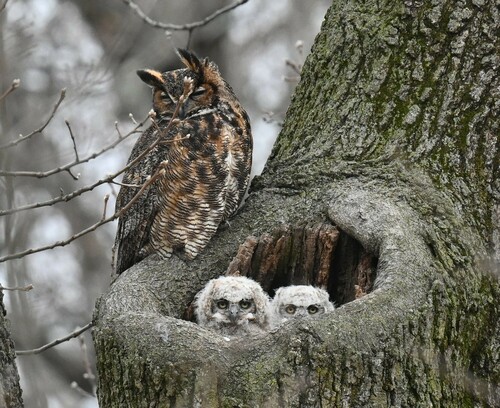
LC
 Great Horned Owl
Bubo virginianus

LC
 Mexican Whip-poor-will
Antrostomus arizonae
Recent sightings in Puebla
LIVEiNaturalistWhere to look
Warmer areas are where all species together are recorded most often.
-
Jardín Etnobotánico Francisco Peláez Roldan
-
Laguna de San Baltazar
Daily sight. prob.vs avg -
Río Atoyac · Cumulo de Virgo
-
Jardín Botánico Universitario
-
Parque Ecológico Revolucion Mexicana
-
Zona Arqueológica de Cholula
-
Parque Centenario La Laguna de Chapulco
-
Zona Histórica de Los Fuertes
-
Zona Histórica de Los Fuertes · Lago de la Concordia
-
Ecoparque Metropolitano de Puebla















Sighting Calendar
How many species you'd see in a day
34Jan
35Feb
32Mar
34Apr
36May
35Jun
36Jul
39Aug
39Sep
42Oct
43Nov
49Dec
🏙️ City
Essentials
Green cover
Low
Protected land
7%
Protected sea
—
Protected areas
3
areasWildlife spots
10
spotsZoos & centres
0
placesClimate
Subtropical highland
Climate
Temp °C Rain mm
JanFebMarAprMayJunJulAugSepOctNovDec
0.0 Excellent
Wallace's Line Score
How good is this city for seeing wildlife? 🦜
Biodiversity
Very goodHow rich is the wildlife?
3.9
Species by taxon
🦅 Birds 429
🐒 Mammals 141
🦎 Reptiles 77
🐸 Amphibians 27
674 Total Species
679 Global average across 380 cities
18 Threatened 0 Endemic
🔭
Sighting
Very goodHow likely to see animals?
4.2
🎯
Top-12 Avg Probability
68% 📊
Coverage (131 species at ≥5% of 674 in the inventory)
19% 🔀
Taxon variety in top 12 (11 bird, 1 reptile)
20% 🌟
Iconic-group species (≥15%) (every species from the 19 iconic groups — monkeys, cats, toucans, macaws, sloths, crocodilians… — not just the 4 highlighted above)
1 ⭐
High-prob species (>40%)
20 🏕️
Experience
Very goodHow easy and pleasant is the visit?
3.7
Climate Mixed Medium
Green cover Low Low
Protected land & sea 7% land High
Protected areas 3 Medium
Wildlife spots 10 Medium
Zoos & centres 0 Low
What visitors say
Before you go
What animals can you see in Puebla?
310 species
Puebla's urban area has 310 recorded vertebrate species. The ones wildlife watchers report most often on a given day are Great-tailed Grackle (about 90%), House Finch (about 80%), Bewick's Wren (about 80%), House Sparrow (about 80%) and Vermilion Flycatcher (about 80%). Among mammals, the most-seen is Rock Squirrel (about 40%); among reptiles, Graphic Spiny Lizard (about 50%); among amphibians, Peters' Shiny Peeping Frog (about 20%).
When is the best time to see wildlife in Puebla?
February–August and November–December
In those months the city's 12 most-seen species average about 70% on a given day, against about 60% in January and September–October.
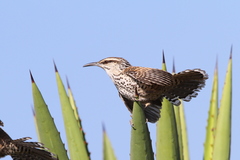
Can you see a Bewick's Wren in Puebla?
Yes
About 80% of wildlife watchers report a Bewick's Wren sighting in Puebla on a given day, based on 824 verified sightings from GBIF citizen-science data from 2019 to 2026. The best time is June–August and December (about 90%).
Can you see a Broad-billed Hummingbird in Puebla?
Yes
About 60% of wildlife watchers report a Broad-billed Hummingbird sighting in Puebla on a given day, based on 597 verified sightings from GBIF citizen-science data from 2019 to 2026. The best time is November (about 80%).
Can you see a Canyon Towhee in Puebla?
Yes
About 60% of wildlife watchers report a Canyon Towhee sighting in Puebla on a given day, based on 501 verified sightings from GBIF citizen-science data from 2019 to 2026. The best time is August (about 80%).
Where in Puebla is wildlife easiest to see?
Jardín Etnobotánico Francisco Peláez Roldan
The spot where most wildlife watchers record their sightings is Jardín Etnobotánico Francisco Peláez Roldan (89 bird species recorded), followed by Laguna de San Baltazar and Río Atoyac · Cumulo de Virgo. See them on the map.
Is Puebla good for wildlife watching?
4.1 out of 5
On the Wallace's Line Score, which rates each city against other cities, Puebla gets 4.1/5: 192nd of 380 cities worldwide and 26th in North America. 25 of its species are reported by about 40% or more of wildlife watchers on a given day.
Nearest Cities


Nearest Parks


Nearest Zoos & Centres



Sources: urban area GHSL Urban Centre Database R2024A, European Commission JRC (CC BY 4.0) · protected land WDPA, UNEP-WCMC & IUCN (via GHSL) · climate NASA POWER · wildlife GBIF.org citizen-science data