Chingaza National Natural Park
🇨🇴 Colombia
Eastern Andes, Colombia 1379 spp. recorded
Chingaza is the páramo that supplies most of Bogátá's water, rising just northeast of the capital. Its frailejón grasslands, glacial lakes and cloud forest make it the best-known spectacled-bear refuge near a major city.
4.597° N 73.758° W
🦜 Nature

460 Species sighted
29,982 Verified sightings From 2019 to 2026
May Best month
⭐ Iconic Species


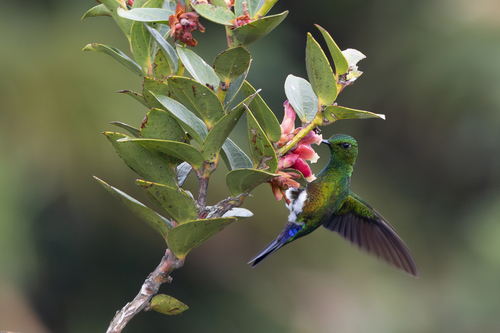

📊 Most Spotted


⭐ Iconic Species
📊 Most Spotted


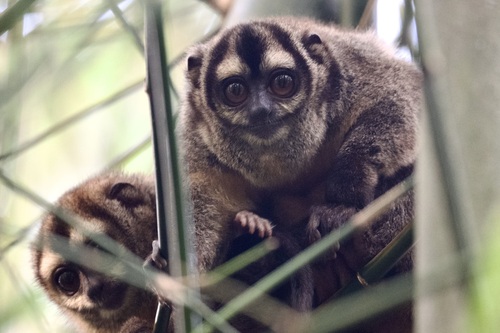


⭐ Iconic Species
📊 Most Spotted

📊 Most Spotted


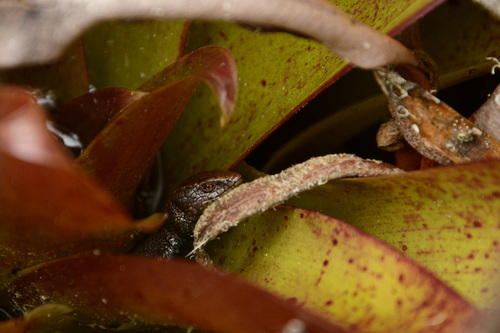
📊 Most Spotted

+ 737 more species with insufficient data
Recent sightings in Chingaza National Natural Park
LIVEiNaturalistSighting Calendar
How many species you'd see in a day
29Jan
29Feb
27Mar
25Apr
33May
28Jun
29Jul
25Aug
23Sep
29Oct
26Nov
31Dec
Sighting Zones
Warmer areas are where all species together are recorded most often.
-
Entrance road Piedras Gordas
-
Entrada Piedras Gordas
Daily sight. prob.vs avg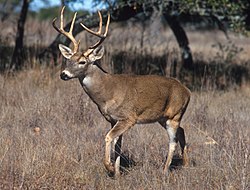 White-tailed Deer~90%+10%
 Green Dotted Treefrog~60%+20%
 Great Thrush~60%-20%
 Scarlet-bellied Mountain-Tanager~60%-20%
 Andean Bear~50%-10%
 Masked Flowerpiercer~50%-10%
 Rufous-collared Sparrow~40%-20%
 Pale-bellied Tapaculo~40%-20%
 White-throated Tyrannulet~40%-30%
 Rufous-browed Conebill~40%-10%
 Golden-fronted Redstart~40%-20%
-
Laguna Chingaza
Daily sight. prob.vs avg- White-tailed Deer>90%+10%
- Andean Bear~70%+10%
- Great Thrush~60%-20%
 Brazilian Guinea Pig~60%+20%
- Scarlet-bellied Mountain-Tanager~50%-20%
- Green Dotted Treefrog~50%+10%
- White-throated Tyrannulet~40%-30%
- Golden-fronted Redstart~40%-20%
- Pale-bellied Tapaculo~40%-20%
 Southern House Wren~40%+10%
 Tyrian Metaltail~40%-20%
- Rufous-browed Conebill~40%-20%
-
Centro Administrativo Monteredondo
Daily sight. prob.vs avg- White-tailed Deer>90%+10%
- Great Thrush~70%-10%
- White-throated Tyrannulet~70%≈
- Rufous-collared Sparrow~50%-10%
- Tyrian Metaltail~50%-10%
- Golden-fronted Redstart~50%-10%
- Scarlet-bellied Mountain-Tanager~50%-30%
 Striped Lightbulb Lizard~50%+20%
- Rufous-browed Conebill~40%-20%
- Masked Flowerpiercer~30%-30%
- Pale-bellied Tapaculo~30%-30%
-
Humedales de Palacio
Daily sight. prob.vs avg- Great Thrush~50%-30%
- Scarlet-bellied Mountain-Tanager~50%-30%
- Masked Flowerpiercer~40%-20%
- Golden-fronted Redstart~30%-30%
- Rufous-collared Sparrow~30%-30%
- Rufous-browed Conebill~30%-20%
- White-throated Tyrannulet~30%-40%
- Tyrian Metaltail~30%-30%
- Pale-bellied Tapaculo~30%-30%
 Band-tailed Pigeon~10%-30%
- Southern House Wren~10%-20%
 Black Vulture~10%-20%

🏕️ Experience
Essentials
Entrance
Paid
Tourism
Medium
Typical stay
1
dayTrails
Hard
World Heritage
No
Climate
Temp °C Rain mm
JanFebMarAprMayJunJulAugSepOctNovDec
0.0 Good
Wallace's Line Score
How good is this park for seeing wildlife? 🦜
Biodiversity
ExcellentHow rich is the wildlife?
5.0
Species by taxon
🦅 Birds 878
🐒 Mammals 289
🦎 Reptiles 153
🐸 Amphibians 59
1379 Total Species
828 Global average across 316 parks
53 Threatened 110 Endemic
🔭
Sighting
GoodHow likely to see animals?
3.0
🎯
Top-12 Avg Probability
67% 📊
Coverage (120 species at ≥5% of 1379 in the inventory)
9% 🔀
Taxon variety in top 12 (10 bird, 2 mammal)
37% 🔭
Species per 10 outings (distinct species a visitor would meet over 10 outings — effort held equal across parks)
102 🌟
Iconic-group species (≥15%) (every species from the 19 iconic groups — monkeys, cats, toucans, macaws, sloths, crocodilians… — not just the 4 highlighted above)
6 ⭐
High-prob species (>40%)
20 🏕️
Experience
GoodHow easy and pleasant is the visit?
2.5
Climate Harsh Low
Entrance Paid Low
Tourism High Low
Trails Hard Low
World Heritage No —
What visitors say
We started at a roadside spot that Fredy knew was a good place to look for the Coppery-bellied Puffleg hummingbird.
White-tailed Deer (Odocoileus virginianus goudotii) Most of our visitors have seen a white-tailed deer at some point in their lives, but not all white-tailed deer are alike.
Oh, and let's not forget our stop at Observatorio de Colibres on the way back into Bogota where we got to see the Blue-throated Starfrontlet with a host of other cool hummers like Sword-billed and Glowing Puffleg.
Highlights were a Muisca Antpitta coming into worms (it had been a race of Rufous Antpitta when seen on my previous trip), various hummingbirds at feeders, a Pale-bellied Tapaculo and a roosting Andean Potoo which came as a bit of a surprise (the only known site in Colombia, apparently).
Before you go
What animals can you see in Chingaza National Natural Park?
1,379 species
Chingaza National Natural Park has 1,379 recorded vertebrate species. The ones wildlife watchers report most often on a given day are White-tailed Deer (about 90%), Great Thrush (about 80%), Scarlet-bellied Mountain-Tanager (about 80%), White-throated Tyrannulet (about 70%) and Rufous-collared Sparrow (about 70%). Among reptiles, the most-seen is Striped Lightbulb Lizard (about 30%); among amphibians, Green Dotted Treefrog (about 40%).
When is the best time to visit Chingaza National Natural Park for wildlife?
June–August and November–February
In those months the park's 12 most-seen species average about 70% on a given day, against about 50% in September.
Can you see an Andean Bear in Chingaza National Natural Park?
Yes
About 60% of wildlife watchers report an Andean Bear sighting in Chingaza National Natural Park on a given day, based on 59 verified sightings from GBIF citizen-science data from 2019 to 2026. The best time is May and November–December (about 80%).
Can you see a Scarlet-bellied Mountain-Tanager in Chingaza National Natural Park?
Yes
About 80% of wildlife watchers report a Scarlet-bellied Mountain-Tanager sighting in Chingaza National Natural Park on a given day, based on 1,112 verified sightings from GBIF citizen-science data from 2019 to 2026. The best time is August and December–February (about 90%).
Can you see a Green Dotted Treefrog in Chingaza National Natural Park?
Yes
About 40% of wildlife watchers report a Green Dotted Treefrog sighting in Chingaza National Natural Park on a given day, based on 12 verified sightings from GBIF citizen-science data from 2019 to 2026. The best time is June (about 60%).
Can you see a Coppery-bellied Puffleg in Chingaza National Natural Park?
Yes
About 30% of wildlife watchers report a Coppery-bellied Puffleg sighting in Chingaza National Natural Park on a given day, based on 330 verified sightings from GBIF citizen-science data from 2019 to 2026. The best time is January and February (about 40%).
Where in Chingaza National Natural Park is wildlife easiest to see?
Around Entrance road Piedras Gordas
The richest sighting zone is around Entrance road Piedras Gordas, followed by Entrada Piedras Gordas and Laguna Chingaza, ranked by how many of the park's headline animals visitors can expect to see in each. See the zones on the map.
Is Chingaza National Natural Park good for wildlife watching?
3.6 out of 5
On the Wallace's Line Score, Chingaza National Natural Park rates 3.6/5: 167th of 316 parks worldwide and 23rd in South America. 24 of its species are reported by about 40% or more of wildlife watchers on a given day.


