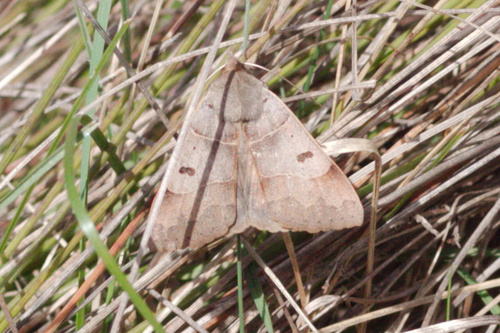
Alchymist

Alchymist

Catephia alchymista

Daily sighting probability ~10% · With luck
at Cévennes National Park

In 3 days ~30% in a week ~50%

38 Verified sightings at Cévennes National Park From 2019 to 2026
47 In all 2 parks
June Best month
☀️🌙 Day & Night When it's spotted

About the Alchymist

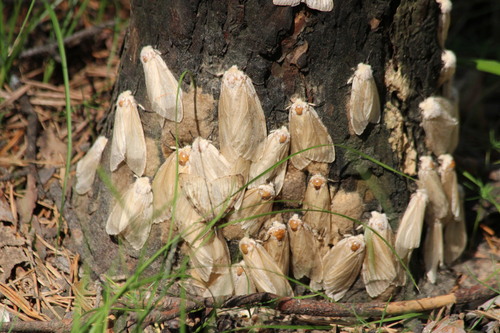
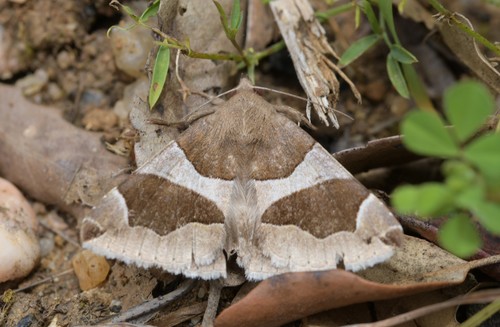
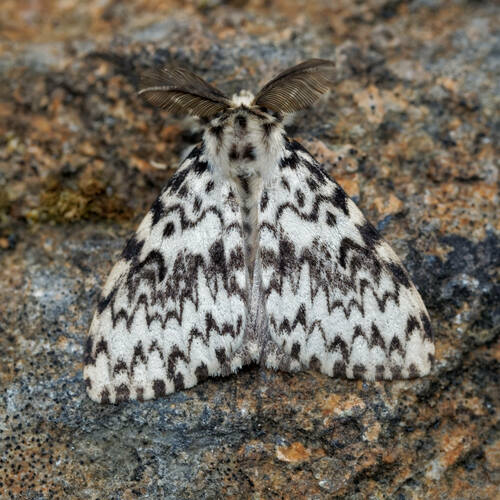
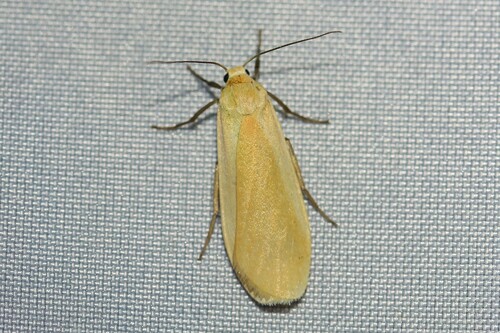
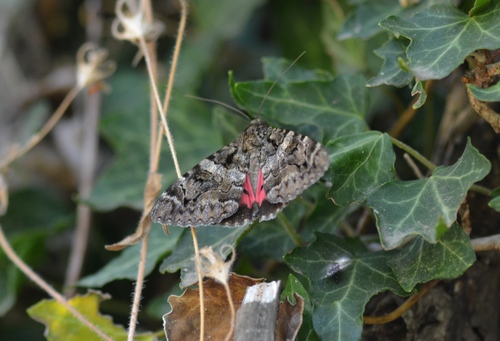
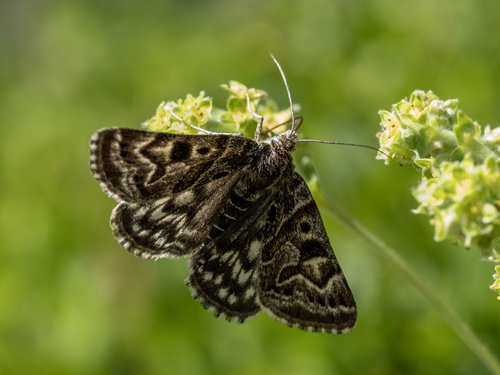
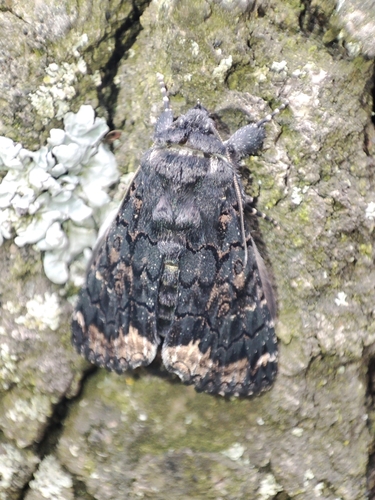
Catephia alchymista, the white underwing or alchymist, is a moth in the family Erebidae found in Asia, Europe and North Africa. The species was first described by Michael Denis and Ignaz Schiffermüller in 1775. C. alchymista Schiff. Forewing ash-black; lines deep black; inner and outer irregularly dentate, partially brown-edged externally; subterminal line light brown, irregular and dilated in places, at costa marked with white; stigmata with deep black edges; hindwing white in basal half, except along inner margin, which like outer half is blackish; terminal spots white, running out into the fringe, at apex and above anal angle. Larva reddish brown, marbled with black and whitish; dorsal tubercles black; head brown; segment 2 yellow in front the ab. varia Chr., from Sarepta, has greenish grey forewings with very strongly marked black lines. The wingspan is 35–45 millimetres (1.4–1.8 in).

The moths are on wing from May to July, and in southern Europe there is a partial second generation in August and September. The larvae feed on oak (Quercus species), preferring new growth and saplings and have also been found on elm (Ulmus species... Wikipedia →
Global Distribution

Parks Where Found

# Park Country Daily sighting probability
1 Cévennes National Park 🇫🇷 France
~10%
2 Pyrénées National Park 🇫🇷 France
<5%

Cities Where Found

# City Country Daily sighting probability
1 Vienna 🇦🇹 Austria
<5%

Before you go

What are the chances of seeing an Alchymist in Cévennes National Park?

With luck

About 10% of wildlife watchers report an Alchymist sighting in Cévennes National Park on a given day, based on 38 verified sightings from GBIF citizen-science data from 2019 to 2026. It is the 252nd most-seen of the 996 insects we can rate there. Over three days the chance rises to about 30%, and over a week to about 50%, if each day is a fresh chance.

When is the best time to see an Alchymist in Cévennes National Park?

June

In that month about 20% of wildlife watchers report an Alchymist in Cévennes National Park on a given day, against under 5% in August to April, the lowest months.

What time of day is best to see an Alchymist?

Between 9 pm and midnight

Across all the parks we cover, that three-hour window holds the most Alchymist sightings with a recorded time, and about 6 in 10 of them come between 6 pm and 6 am: it is seen both by day and at night.

Is Cévennes National Park the best place to see an Alchymist?

Yes

Of the 2 parks where we can rate Alchymist sightings, Cévennes National Park has the highest daily chance: about 10%. Next come Pyrénées National Park (France, under 5%).

Which relatives of the Alchymist live in Cévennes National Park?

Same family: Erebidae

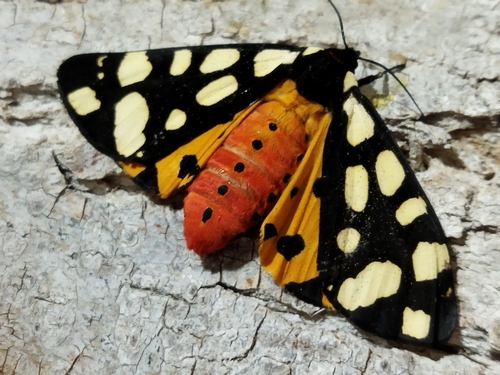
The closest relatives of the Alchymist that you can see in Cévennes National Park (family Erebidae, Underwing, Tiger, Tussock, and Allied Moths) are Cream-Spot Tiger (about 20%), Spongy Moth (about 20%) and Four-Spotted Footman (about 20%), with each one's daily chance of a sighting.

Where does the Alchymist sighting chance come from?

GBIF citizen-science records

It is estimated from how often the Alchymist is recorded against all the insects logged in Cévennes National Park (38 verified sightings from 2019 to 2026), calibrated against known sighting rates. Figures are rounded to the nearest 10% because citizen-science data supports honest approximations, not decimals, and months with records from fewer than five people show "—". How it works.

← Back to Cévennes National Park