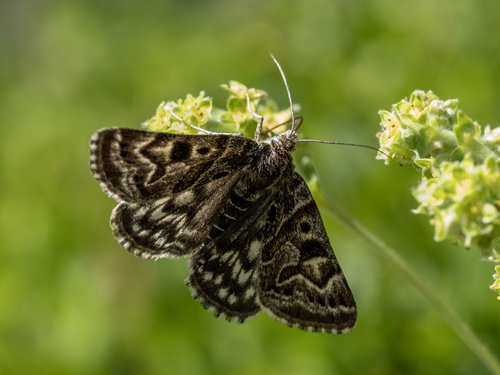
Scarce Blackneck

Scarce Blackneck

Lygephila craccae

Daily sighting probability ~10% · With luck
at Cévennes National Park

In 3 days ~20% in a week ~40%

15 Verified sightings at Cévennes National Park From 2019 to 2026
15 In 1 park
June Best month
☀️🌙 Day & Night When it's spotted

About the Scarce Blackneck

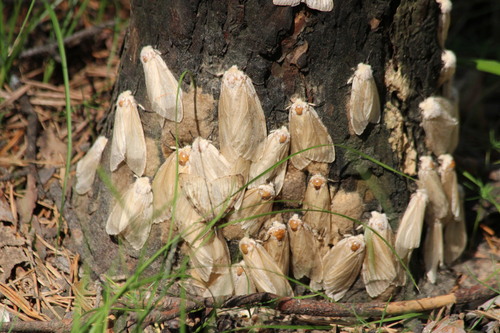
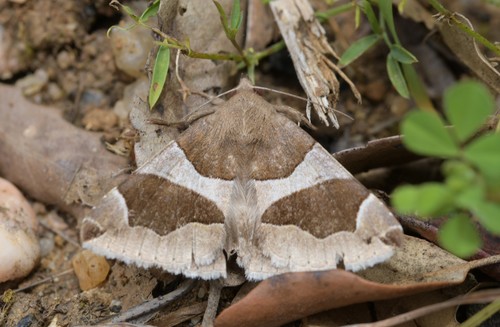
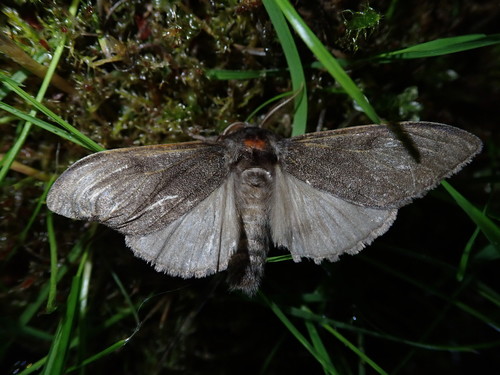
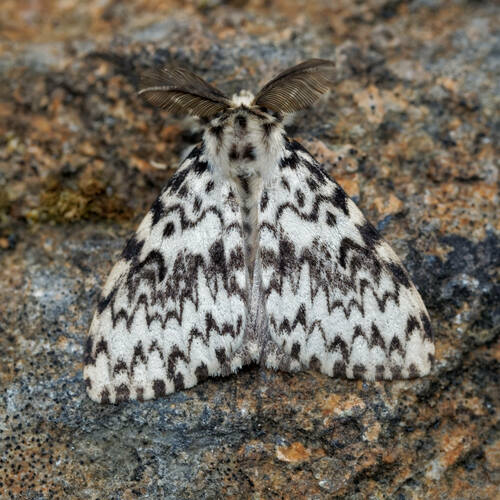
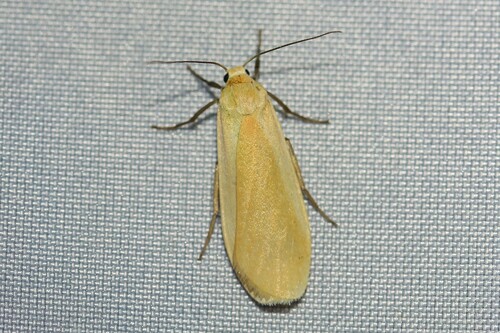
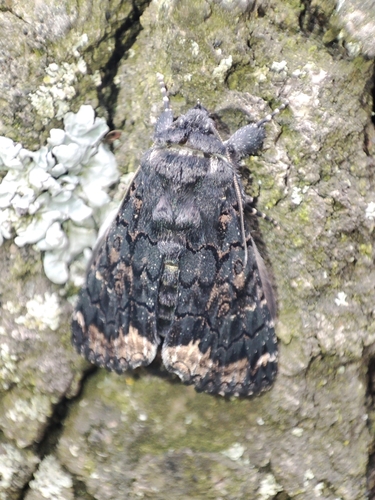
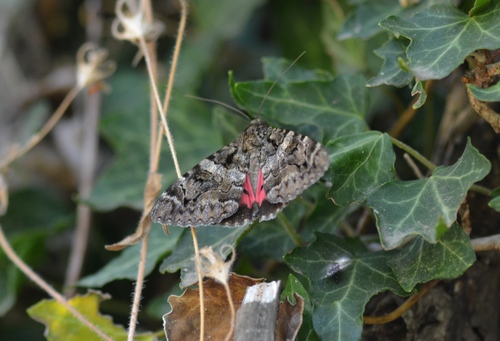
Lygephila craccae, the scarce blackneck, is a moth of the family Erebidae. It is found in temperate Europe and across the Palearctic to the Altai Mountains, Korea, Japan and China. O. craccae F. Larger than viciae. Forewing darker grey, with a slaty violet tinge, striated and dusted with darker; the veins pale; costal spots blackish; lines very faint, except the paler subterminal, and that often only shown by the darker shade preceding it; hindwing paler, sometimes with a yellowish tinge, with a smoky fuscous terminal border; — ab. immaculata Stgr., like caecula Stgr., the aberration of viciae, has no black edging to the reniform stigma and the costal spots paler; — subsp. laevigata subsp. nov. [Warren] from the South Tyrol, is large, with the forewing uniformly slate coloured, and without darker dusting or striation; in a female from Uralsk, received from M. Bartel, subsp. grisea subsp. nov. [Warren], the forewing has the costal spots prominently black, the inner and outer lines dark fuscous and distinct, the space between them and the terminal area both dark grey, contrasting strongly with the paler basal area and pale outward edging of... Wikipedia →
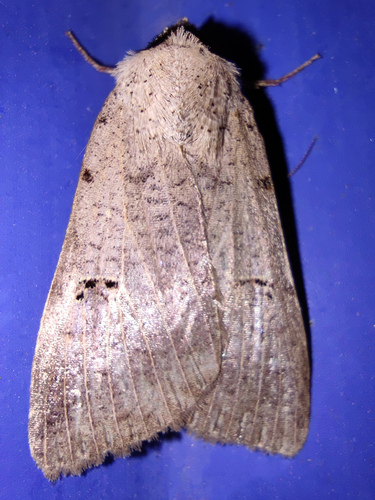
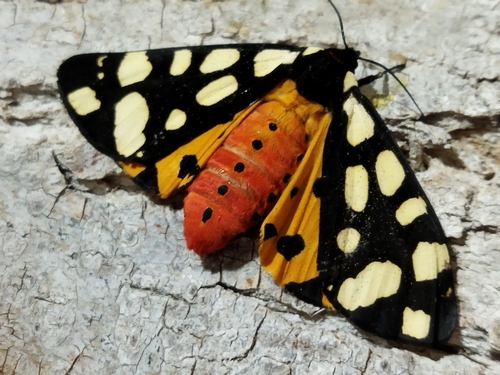
Global Distribution

Parks Where Found

# Park Country Daily sighting probability
1 Cévennes National Park 🇫🇷 France
~10%

More parks will be added in future updates.

Cities Where Found

# City Country Daily sighting probability
1 Vienna 🇦🇹 Austria
<5%

Before you go

What are the chances of seeing a Scarce Blackneck in Cévennes National Park?

With luck

About 10% of wildlife watchers report a Scarce Blackneck sighting in Cévennes National Park on a given day, based on 15 verified sightings from GBIF citizen-science data from 2019 to 2026. It is the 468th most-seen of the 996 insects we can rate there. Over three days the chance rises to about 20%, and over a week to about 40%, if each day is a fresh chance.

When is the best time to see a Scarce Blackneck in Cévennes National Park?

June to August

In those months about 10% of wildlife watchers report a Scarce Blackneck in Cévennes National Park on a given day, against under 5% in September to May, the lowest months. Those are among Cévennes National Park's driest months, with about 60 mm of rain a month against 260 mm in October.

What time of day is best to see a Scarce Blackneck?

Between 11 pm and 2 am

Across all the parks we cover, that three-hour window holds the most Scarce Blackneck sightings with a recorded time, and about 7 in 10 of them come between 6 pm and 6 am: it is seen both by day and at night.

Where else can you see a Scarce Blackneck?

Only Cévennes National Park, in our data

Cévennes National Park is the only park on Wallace's Line with enough records to rate Scarce Blackneck sightings: about 10% of wildlife watchers there report one on a given day.

Which relatives of the Scarce Blackneck live in Cévennes National Park?

Same family: Erebidae

The closest relatives of the Scarce Blackneck that you can see in Cévennes National Park (family Erebidae, Underwing, Tiger, Tussock, and Allied Moths) are Cream-Spot Tiger (about 20%), Spongy Moth (about 20%) and Four-Spotted Footman (about 20%), with each one's daily chance of a sighting.

Where does the Scarce Blackneck sighting chance come from?

GBIF citizen-science records

It is estimated from how often the Scarce Blackneck is recorded against all the insects logged in Cévennes National Park (15 verified sightings from 2019 to 2026), calibrated against known sighting rates. Figures are rounded to the nearest 10% because citizen-science data supports honest approximations, not decimals, and months with records from fewer than five people show "—". How it works.

← Back to Cévennes National Park