















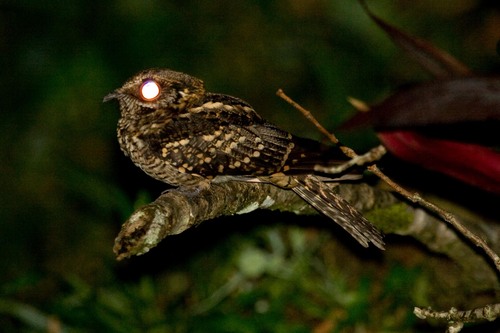


All 5 in 3 days here: ~90%
City
Medellín
🇨🇴 Colombia
South America, Colombia 479 spp. recorded
Medellín, officially the Special District of Science, Technology and Innovation of Medellín, is the capital of the department of Antioquia, and the second-largest city in Colombia after Bogotá. It is located in the Aburrá Valley, a central region of the Andes Mountains, in northwestern South America. The metro area of Medellín is the second-largest urban agglomeration in Colombia in terms of population and economy. Wikipedia
6.236° N 75.581° W
🦜 Nature

479 Species sighted
100,320 Verified sightings From 2019 to 2026
Jul Best month
⭐ Iconic Species
📊 Most Spotted
📊 Most Spotted
LC
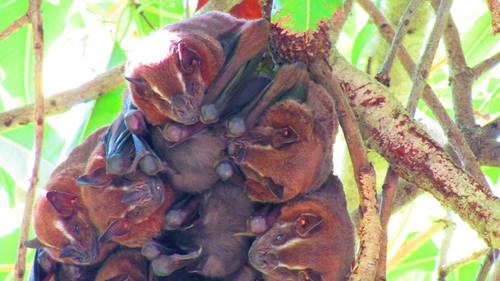
 Great Fruit-eating Bat
Artibeus lituratus

 Andean Squirrel
Sciurus pucheranii

LC
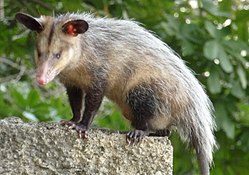
 Andean White-eared Opossum
Didelphis pernigra

LC
 Hoffmann's Two-toed Sloth
Choloepus hoffmanni

LC
 Spotted Paca
Cuniculus paca

LC
 Pallas's Long-tongued Bat
Glossophaga soricina

LC
 Southern red bat
Lasiurus blossevillii

LC
 Black Agouti
Dasyprocta fuliginosa
⭐ Iconic Species
📊 Most Spotted
📊 Most Spotted
📊 Most Spotted
LC
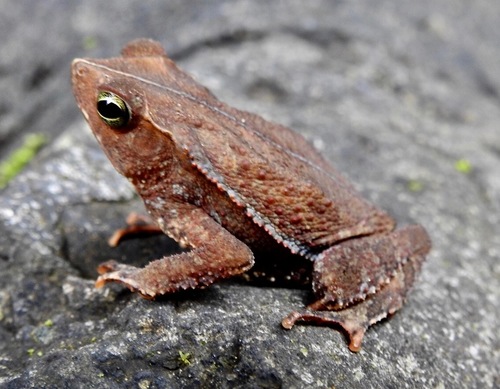
 Forest Toad
Rhinella alata

LC
 Chirique-Flusse Tree Frog
Boana pugnax

LC
 Whistling Grass Frog
Leptodactylus fuscus

LC
 Red Snouted Tree Frog
Scinax ruber

LC
Pristimantis paisa
Pristimantis paisa
📊 Most Spotted
🌙 Most active after dark
LC
Whistling Grass Frog
Leptodactylus fuscus
Challenges you can complete here
Recent sightings in Medellín
LIVEiNaturalistWhere to look
Warmer areas are where all species together are recorded most often.
-
Jardín Botánico de Medellín Joaquín Antonio Uribe
-
Aeropuerto Enrique Olaya Herrera
-
Parque Natural Regional Metropolitano Cerro El Volador
-
Pueblito Paisa · Cerro Nutibara
-
Parque de La Presidenta
-
Universidad Nacional de Colombia Sede Medellín
-
Jardín Botánico Medellín · Lago
-
El Poblado (comuna)
-
Universidad de Antioquia
-
Parques del Río Medellín
-
Parque Ambiental La Frontera




Sighting Calendar
How many species you'd see in a day
34Jan
33Feb
34Mar
34Apr
34May
34Jun
37Jul
33Aug
34Sep
35Oct
35Nov
35Dec
🏙️ City
Essentials
Green cover
High
Protected land
4%
Protected sea
—
Protected areas
5
areasWildlife spots
12
spotsZoos & centres
1
placesClimate
Tropical rainforest
World Heritage
No
Climate
Temp °C Rain mm
JanFebMarAprMayJunJulAugSepOctNovDec
Zoos & rescue centres

0.0 Excellent
Wallace's Line Score
How good is this city for seeing wildlife? 🦜
Biodiversity
ExcellentHow rich is the wildlife?
5.0
Species by taxon
🦅 Birds 855
🐒 Mammals 252
🦎 Reptiles 182
🐸 Amphibians 64
1353 Total Species
679 Global average across 380 cities
54 Threatened 33 Endemic
🔭
Sighting
Very goodHow likely to see animals?
4.2
🎯
Top-12 Avg Probability
72% 📊
Coverage (102 species at ≥5% of 1353 in the inventory)
8% 🔀
Taxon variety in top 12 (12 bird)
0% 🌟
Iconic-group species (≥15%) (every species from the 19 iconic groups — monkeys, cats, toucans, macaws, sloths, crocodilians… — not just the 4 highlighted above)
3 ⭐
High-prob species (>40%)
20 🏕️
Experience
ExcellentHow easy and pleasant is the visit?
4.3
Climate Mixed Medium
Green cover High High
Protected land & sea 4% land Medium
Protected areas 5 High
Wildlife spots 12 High
Zoos & centres 1 Medium
What visitors say
Before you go
What animals can you see in Medellín?
479 species
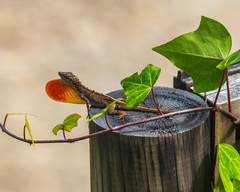
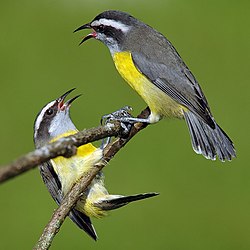
Medellín's urban area has 479 recorded vertebrate species. The ones wildlife watchers report most often on a given day are Blue-gray Tanager (about 90%), Great Kiskadee (about 90%), Tropical Kingbird (about 80%), Ruddy Ground-Dove (about 80%) and Palm Tanager (about 80%). Among mammals, the most-seen is Red-tailed Squirrel (about 50%); among reptiles, Green Iguana (about 40%); among amphibians, Bogert's Aquatic Tree Frog (about 20%).
When is the best time to see wildlife in Medellín?
August
In that month the city's 12 most-seen species average about 80% on a given day, against about 70% in September to July.
Can you see a Black-billed Thrush in Medellín?
Yes
About 70% of wildlife watchers report a Black-billed Thrush sighting in Medellín on a given day, based on 3,059 verified sightings from GBIF citizen-science data from 2019 to 2026. The best time is May and June (about 80%).
Can you see a Blue-gray Tanager in Medellín?
Yes
About 90% of wildlife watchers report a Blue-gray Tanager sighting in Medellín on a given day, based on 4,488 verified sightings from GBIF citizen-science data from 2019 to 2026.
Can you see a Palm Tanager in Medellín?
Yes
About 80% of wildlife watchers report a Palm Tanager sighting in Medellín on a given day, based on 3,707 verified sightings from GBIF citizen-science data from 2019 to 2026. The best time is August–October and December–June (about 80%).
Where in Medellín is wildlife easiest to see?
Jardín Botánico de Medellín Joaquín Antonio Uribe
The spot where most wildlife watchers record their sightings is Jardín Botánico de Medellín Joaquín Antonio Uribe (148 bird species recorded), followed by Aeropuerto Enrique Olaya Herrera and Parque Natural Regional Metropolitano Cerro El Volador. See them on the map.
Is Medellín good for wildlife watching?
4.5 out of 5
On the Wallace's Line Score, which rates each city against other cities, Medellín gets 4.5/5: 111th of 380 cities worldwide and 22nd in South America. 22 of its species are reported by about 40% or more of wildlife watchers on a given day.
Nearest Cities


Nearest Parks


Nearest Zoos & Centres


Sources: urban area GHSL Urban Centre Database R2024A, European Commission JRC (CC BY 4.0) · protected land WDPA, UNEP-WCMC & IUCN (via GHSL) · climate NASA POWER · wildlife GBIF.org citizen-science data