

















All 2 in 3 days here: ~80%
Chitwan National Park
🇳🇵 Nepal
Himalaya, Nepal 1262 spp. recorded
Chitwan National Park is a tropical savanna set in the low‑lying Terai region of southern Nepal, just below the Himalaya foothills. Rolling grasslands, dense riverine forest and the meandering Narayani River create a mosaic of habitats that differ sharply from the alpine parks of the north.
27.462° N 84.631° E
🦜 Nature

542 Species sighted
80,607 Verified sightings From 2019 to 2026
Feb Best month
⭐ Iconic Species
📊 Most Spotted
⭐ Iconic Species
📊 Most Spotted
📊 Most Spotted
⭐ Iconic Species
📊 Most Spotted
📊 Most Spotted
📊 Most Spotted
⭐ Iconic Species
🌙 Most active after dark
+ 872 more species with insufficient data
Challenges you can complete here

All 3 in 3 days here: ~60%



All 4 in 3 days here: ~70%



All 5 in 3 days here: ~40%
Recent sightings in Chitwan National Park
LIVEiNaturalistSighting Calendar
How many species you'd see in a day
68Jan
72Feb
69Mar
59Apr
53May
55Jun
47Jul
49Aug
47Sep
54Oct
65Nov
58Dec
Sighting Zones
Warmer areas are where all species together are recorded most often.
-
Lamo Taal
Daily sight. prob.vs avg -
Vulture (Jatayu) Restaurant and Grassland
Daily sight. prob.vs avg -
Baghmara Buffer Zone
Daily sight. prob.vs avg -
Sauraha Rapti River Dike
Daily sight. prob.vs avg -
27.520° N, 84.312° E







🏕️ Experience
Essentials
Climate
Temp °C Rain mm
JanFebMarAprMayJunJulAugSepOctNovDec
0.0 World-class
Wallace's Line Score
How good is this park for seeing wildlife? 🦜
Biodiversity
ExcellentHow rich is the wildlife?
4.7
Species by taxon
🦅 Birds 945
🐒 Mammals 173
🦎 Reptiles 107
🐸 Amphibians 37
1262 Total Species
828 Global average across 316 parks
78 Threatened 7 Endemic
🔭
Sighting
ExcellentHow likely to see animals?
5.0
🎯
Top-12 Avg Probability
72% 📊
Coverage (246 species at ≥5% of 1262 in the inventory)
19% 🔀
Taxon variety in top 12 (8 bird, 2 mammal, 2 reptile)
67% 🔭
Species per 10 outings (distinct species a visitor would meet over 10 outings — effort held equal across parks)
183 🌟
Iconic-group species (≥15%) (every species from the 19 iconic groups — monkeys, cats, toucans, macaws, sloths, crocodilians… — not just the 4 highlighted above)
29 ⭐
High-prob species (>40%)
50 🏕️
Experience
ExcellentHow easy and pleasant is the visit?
4.7
Climate Mixed Medium
Entrance Paid Low
Tourism Low High
Trails Easy High
World Heritage Yes Bonus
What visitors say
Beautiful Eagle We also saw countless deer, wild boars, and vibrant birdlife around every corner.
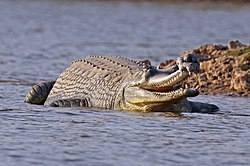
These crocodiles have very long, thin snouts, making them look entirely different to the marsh mugger crocodiles we saw when we were canoeing.
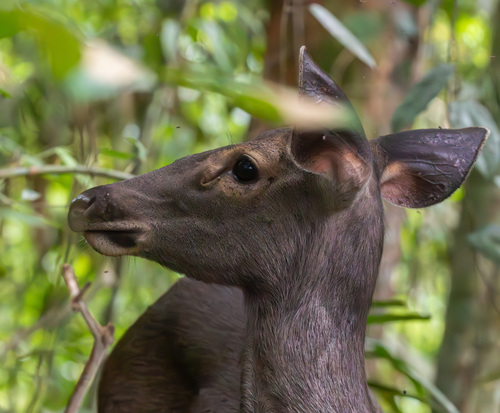
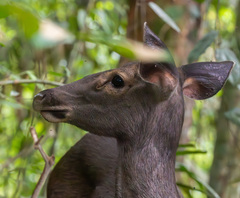
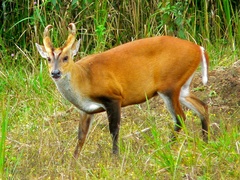
We also saw a bunch of spotted deer and a few of the larger sambar deer – the largest deer species in Nepal.
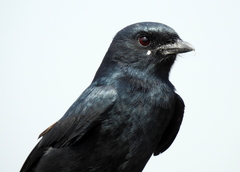
I watched two Grey-headed Canary Flycatchers playfully chasing each other from tree to tree.
Before you go
What animals can you see in Chitwan National Park?
1,262 species
Chitwan National Park has 1,262 recorded vertebrate species. The ones wildlife watchers report most often on a given day are Great Indian Rhinoceros (about 90%), Axis Deer (about 80%), Mugger Crocodile (about 80%), Gharial (about 80%) and White-throated Kingfisher (about 80%).
When is the best time to visit Chitwan National Park for wildlife?
May
In that month the park's 12 most-seen species average about 80% on a given day, against about 60% in August.
Can you see a Great Indian Rhinoceros in Chitwan National Park?
Yes
About 90% of wildlife watchers report a Great Indian Rhinoceros sighting in Chitwan National Park on a given day, based on 384 verified sightings from GBIF citizen-science data from 2019 to 2026. The best time is May to March (about 90%).
Can you see a Tiger in Chitwan National Park?
Yes
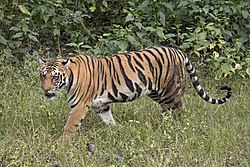
About 40% of wildlife watchers report a Tiger sighting in Chitwan National Park on a given day, based on 34 verified sightings from GBIF citizen-science data from 2019 to 2026. The best time is August (about 60%).
Can you see a Gharial in Chitwan National Park?
Yes
About 80% of wildlife watchers report a Gharial sighting in Chitwan National Park on a given day, based on 190 verified sightings from GBIF citizen-science data from 2019 to 2026. The best time is July (about 90%).
Can you see an Axis Deer in Chitwan National Park?
Yes
About 80% of wildlife watchers report an Axis Deer sighting in Chitwan National Park on a given day, based on 258 verified sightings from GBIF citizen-science data from 2019 to 2026. The best time is February and August (about 90%).
Where in Chitwan National Park is wildlife easiest to see?
Around Lamo Taal
The richest sighting zone is around Lamo Taal, followed by Vulture (Jatayu) Restaurant and Grassland and Baghmara Buffer Zone, ranked by how many of the park's headline animals visitors can expect to see in each. See the zones on the map.
Is Chitwan National Park good for wildlife watching?
4.9 out of 5
On the Wallace's Line Score, Chitwan National Park rates 4.9/5: 7th of 316 parks worldwide and 2nd in Asia. 59 of its species are reported by about 40% or more of wildlife watchers on a given day.


