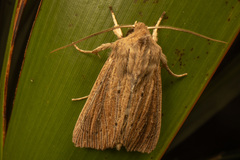
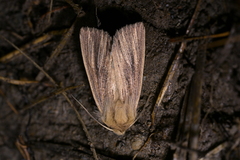
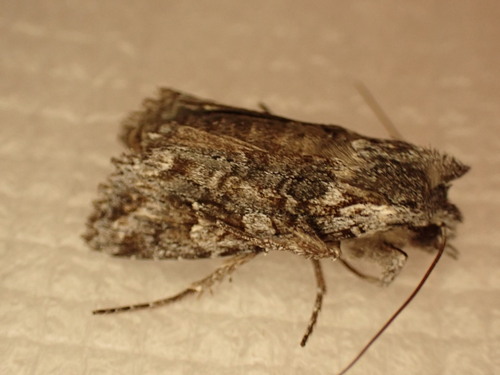
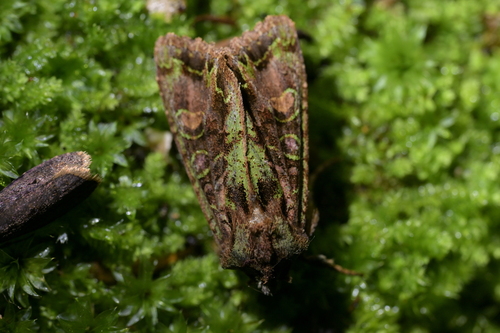
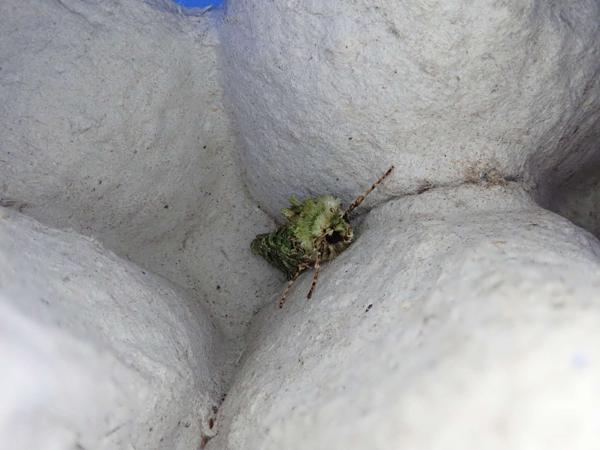
Ichneutica arotis

Ichneutica arotis

Ichneutica arotis

Endemic
Daily sighting probability <5% · Rare
at Auckland

In 3 days ~10% in a week ~20%

7 Verified sightings at Auckland
13 In 1 park From 2019 to 2026
July Best month
🌙 Nocturnal When it's spotted

About the Ichneutica arotis

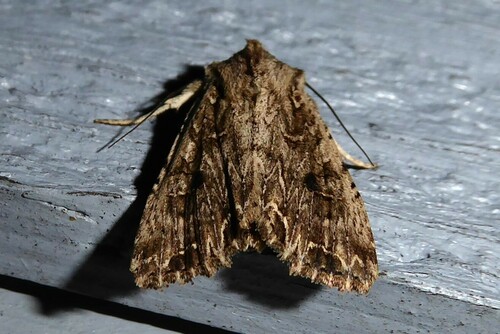
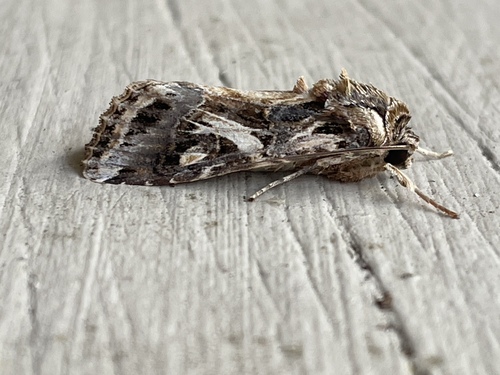
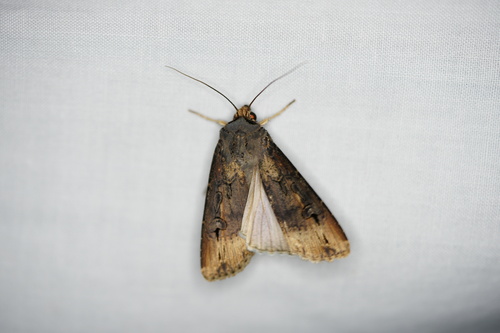
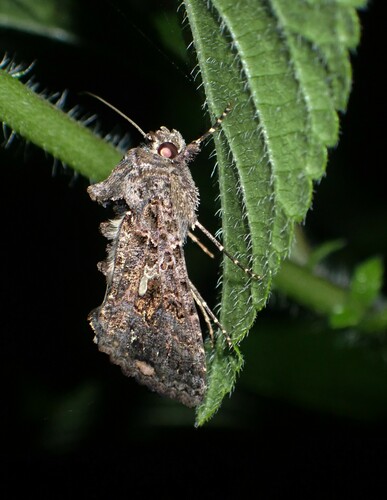
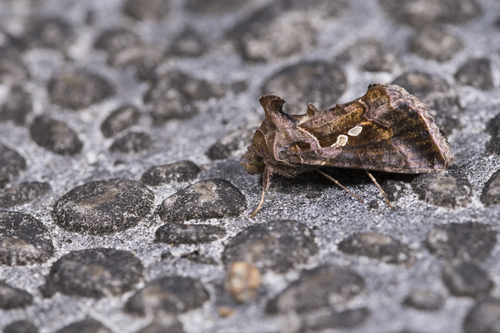
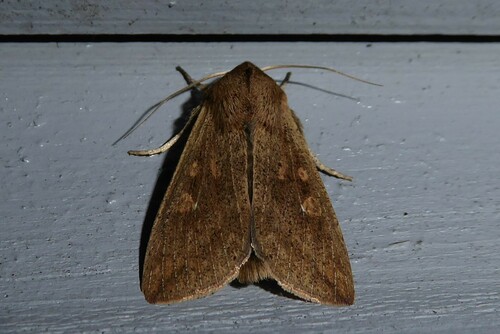
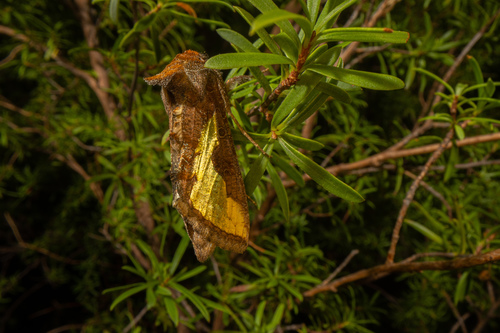
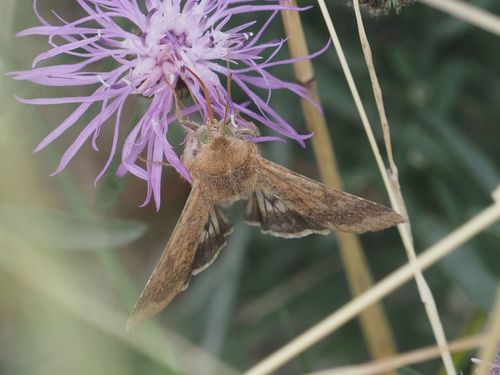
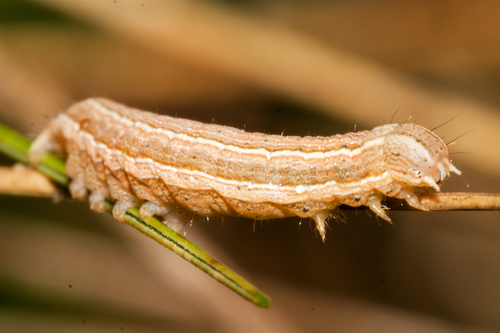
Ichneutica arotis is a moth of the family Noctuidae. It is endemic to New Zealand. This species is found throughout the North and South Islands but has yet to be recorded on Stewart Island. I. arotis is variable in appearance and have been described as having a "northern dark form", a "typical" form and a "swamp" form. Robert Hoare hypothesised that this species may be in the process of evolving into several distinct species. However, as these forms show no difference in antennae or genitalia so, as at 2019, they are not regarded as separate species. Larval hosts include species in the genera Cortaderia and Schoenus as well as Phormium tenax. The caterpillar feeds at night and rests in during the day amongst dead flax leaves. It pupates in a loose cocoon either hidden at the base of a stem of flax or on the ground. The adults of this species is on the wing from September to April. In the North Island there have also been records of adults being on the wing in June to August.

I. arotis can be confused with I. blenheimensis, I. theobroma, or I. epiastra, and the female of I. arotis can possibly be confused with the female of I. cornuta. I. blenheimensis can be distinguished as even when worn and pale it has blackish forewing fringes that I. arotis lack. I. theobroma might possibly be confused with the "northern dark" form of I. arotis but can be distinguished as I. theobroma has broader wings and doesn't have the pale markings on the forewing that the "northern dark" form of I. arotis has. I. epiastra can be distinguished as it has an obvious row of black dots along the outer margin of the wing where as I. arotis is either lacks these marks or has brown dashes. The female I. arotis can be distinguished from the female I. cornuta as the former normally has dark scales on the thorax. Wikipedia →

Global Distribution

Parks Where Found

# Park Country Daily sighting probability
1 Fiordland National Park 🇳🇿 New Zealand
~10%

More parks will be added in future updates.

Cities Where Found

# City Country Daily sighting probability
1 Auckland 🇳🇿 New Zealand
<5%

Before you go

What are the chances of seeing an Ichneutica arotis in Auckland?

Rare

Under 5% of wildlife watchers report an Ichneutica arotis sighting in Auckland on a given day, based on 7 verified sightings from GBIF citizen-science data. It is the 527th most-seen of the 689 insects we can rate there. Over three days the chance rises to about 10%, and over a week to about 20%, if each day is a fresh chance.

When is the best time to see an Ichneutica arotis in Auckland?

July

In that month about 10% of wildlife watchers report an Ichneutica arotis in Auckland on a given day, against under 5% in August to June, the lowest months.

What time of day is best to see an Ichneutica arotis?

Between 10 pm and 1 am

Across all the parks we cover, that three-hour window holds the most Ichneutica arotis sightings with a recorded time, and about 8 in 10 of them come between 6 pm and 6 am: it is mostly seen at night.

Where else can you see an Ichneutica arotis?

Only Auckland, in our data

Auckland is the only city on Wallace's Line with enough records to rate Ichneutica arotis sightings: under 5% of wildlife watchers there report one on a given day.

Where does the Ichneutica arotis sighting chance come from?

GBIF citizen-science records

It is estimated from how often the Ichneutica arotis is recorded against all the insects logged in Auckland (7 verified sightings), calibrated against known sighting rates. Figures are rounded to the nearest 10% because citizen-science data supports honest approximations, not decimals, and months with records from fewer than five people show "—". How it works.
← Back to Auckland