Green-Blotched Moth

Green-Blotched Moth

Cosmodes elegans

Daily sighting probability ~10% · With luck
at Auckland

In 3 days ~20% in a week ~40%

32 Verified sightings at Auckland
189 In all 6 parks From 2019 to 2026
June Best month
☀️🌙 Day & Night When it's spotted

About the Green-Blotched Moth

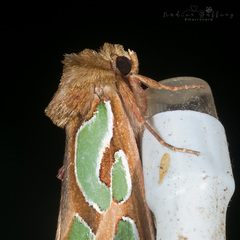
Cosmodes elegans, the green blotched moth, is a moth of the family Noctuidae. It is found in New South Wales, Norfolk Island, Queensland, South Australia, Victoria, Western Australia and New Zealand. This species was first described by Edward Donovan in 1805 under the name Phalaena elegans. Robert Hoare was unable to locate the type specimen for his 2017 publication.

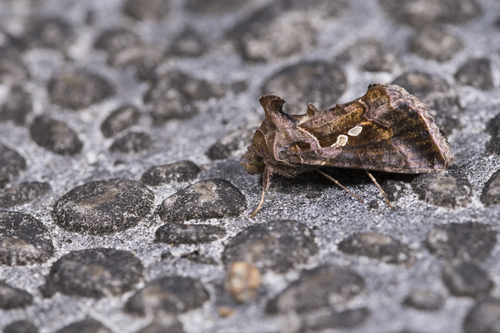
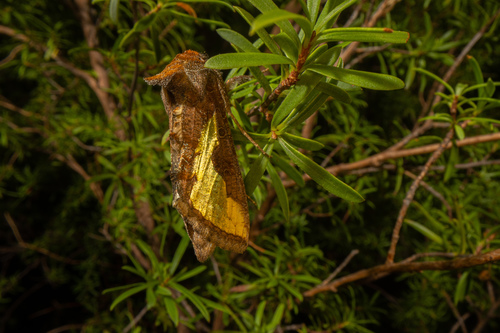
Cosmodes elegans is the only species of the genus Cosmodes. Donovan originally described the species as follows: First wings ferruginous, with three greenish spots edged with silver, the anterior one hooked : posterior wings reddish.

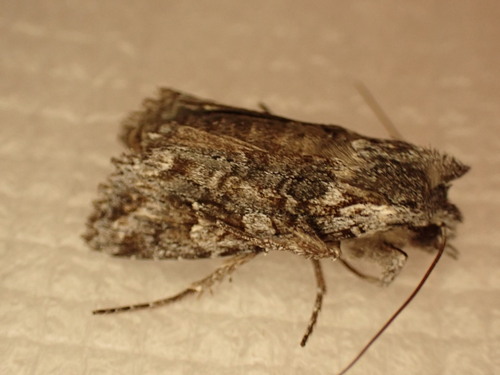
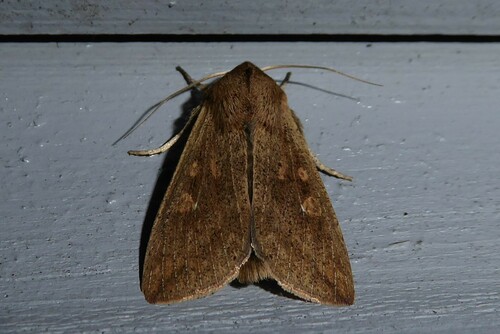
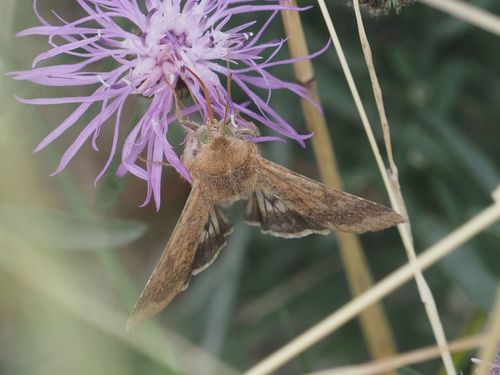
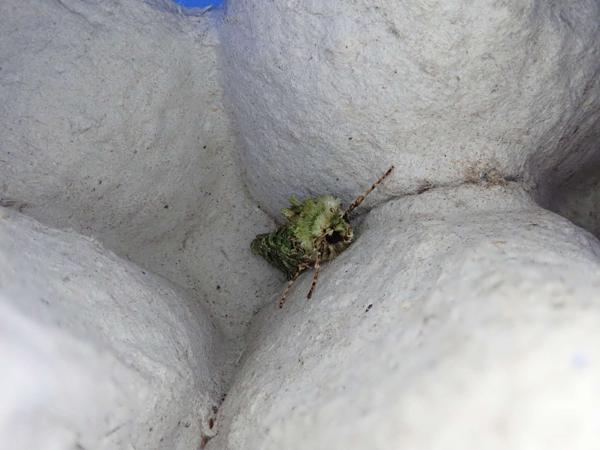
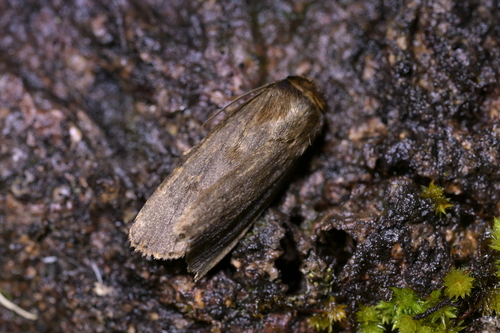
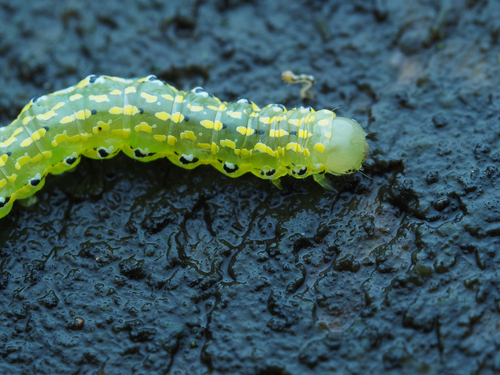
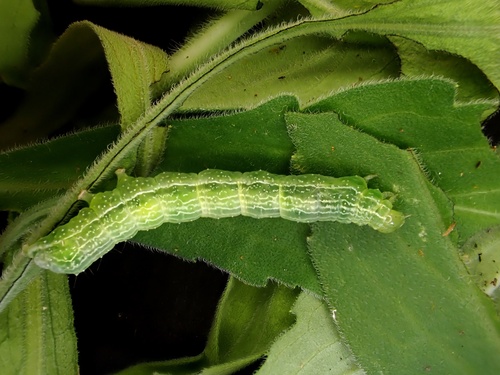
The caterpillars of this species grow to a length of about 3 cm (1.2 in) and are bright green with dark spiracles on both sides. Adult moths are brown with sinuous green markings on their forewings, white hindwings fading to light brown along the edges, and a hairy crest just behind their heads. The adult's wingspan is about 4 cm (1.6 in). The green blotched moth has a distinctively shaped forewing and this and the characteristic patterns on its forewings ensures that this species is unlikely to be confused with any other.

The green blotched... Wikipedia →

Global Distribution

Parks Where Found

# Park Country Daily sighting probability
1 Booderee National Park 🇦🇺 Australia
~20%
2 Blue Mountains National Park 🇦🇺 Australia
~20%
3 Lamington National Park 🇦🇺 Australia
~20%
4 Springbrook National Park 🇦🇺 Australia
~10%
5 Great Otway National Park 🇦🇺 Australia
~10%
6 Royal National Park 🇦🇺 Australia
~10%

Cities Where Found

# City Country Daily sighting probability
1 Brisbane 🇦🇺 Australia
~10%
2 Melbourne 🇦🇺 Australia
~10%
3 Sydney 🇦🇺 Australia
~10%
4 Auckland 🇳🇿 New Zealand
~10%

Before you go

What are the chances of seeing a Green-Blotched Moth in Auckland?

With luck

About 10% of wildlife watchers report a Green-Blotched Moth sighting in Auckland on a given day, based on 32 verified sightings from GBIF citizen-science data. It is the 201st most-seen of the 689 insects we can rate there. Over three days the chance rises to about 20%, and over a week to about 40%, if each day is a fresh chance.

When is the best time to see a Green-Blotched Moth in Auckland?

June, September–October and December–March

In those months about 10% of wildlife watchers report a Green-Blotched Moth in Auckland on a given day, against under 5% in April–May, July–August and November, the lowest months.

What time of day is best to see a Green-Blotched Moth?

Between 7 and 10 pm

Across all the parks we cover, that three-hour window holds the most Green-Blotched Moth sightings with a recorded time, and about half of them come between 6 pm and 6 am: it is seen both by day and at night.

Is Auckland the best place to see a Green-Blotched Moth?

Among the best

Of the 4 cities where we can rate Green-Blotched Moth sightings, Auckland ranks 4th at about 10%, level with the leaders once rounded. The best odds are in Brisbane (Australia, about 10%), Melbourne (Australia, about 10%) and Sydney (Australia, about 10%).

Which relatives of the Green-Blotched Moth live in Auckland?

Same family: Noctuidae

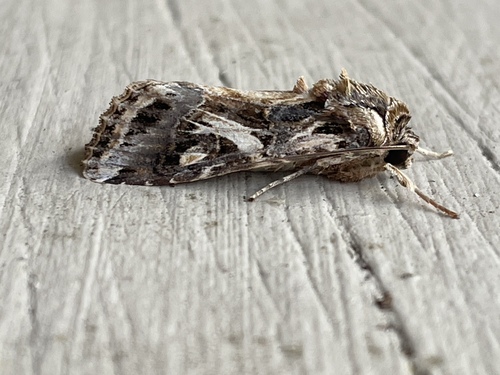
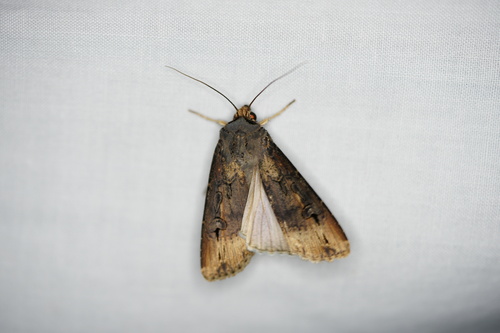
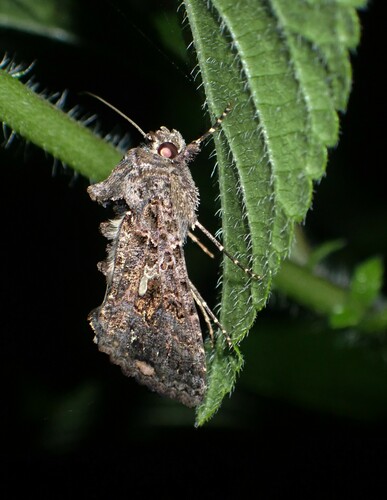
The closest relatives of the Green-Blotched Moth that you can see in Auckland (family Noctuidae, Cutworm Moths and Allies) are Oriental Leafworm Moth (about 20%), Ipsilon Dart Moth (about 20%) and Scar Bank Gem (about 20%), with each one's daily chance of a sighting.

Where does the Green-Blotched Moth sighting chance come from?

GBIF citizen-science records

It is estimated from how often the Green-Blotched Moth is recorded against all the insects logged in Auckland (32 verified sightings), calibrated against known sighting rates. Figures are rounded to the nearest 10% because citizen-science data supports honest approximations, not decimals, and months with records from fewer than five people show "—". How it works.

← Back to Auckland