

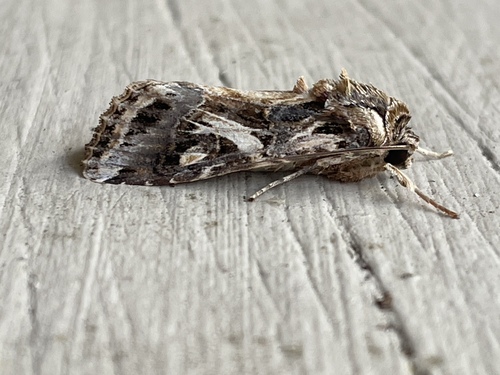
Prickly Stick Insect

Prickly Stick Insect

Acanthoxyla prasina

Endemic
Daily sighting probability ~10% · With luck
at Auckland

In 3 days ~20% in a week ~50%

47 Verified sightings at Auckland
125 In all 4 parks From 2019 to 2026
January Best month
☀️🌙 Day & Night When it's spotted

About the Prickly Stick Insect

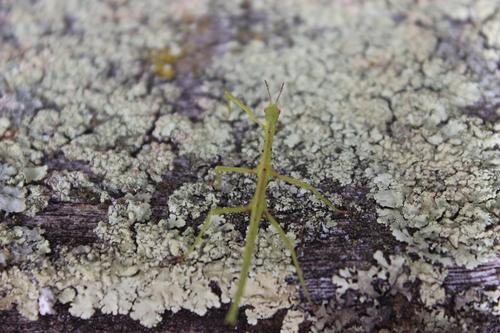
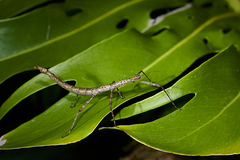
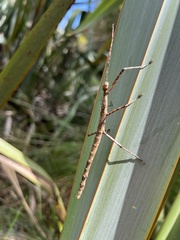
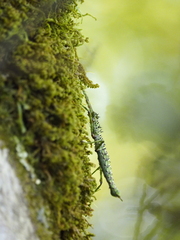
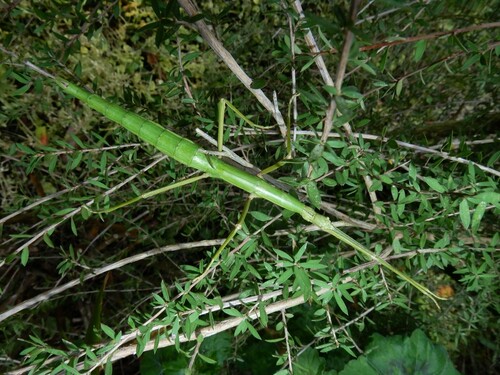
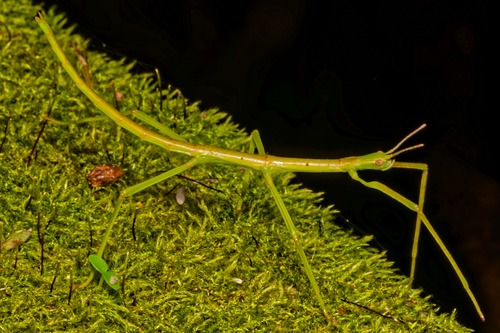
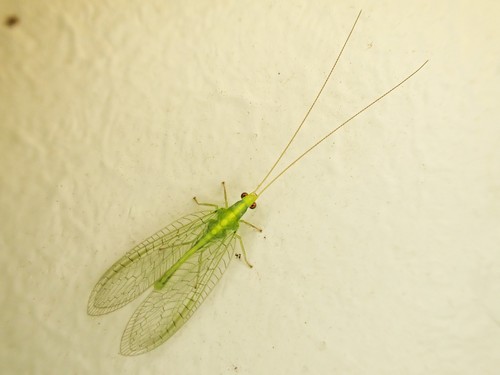
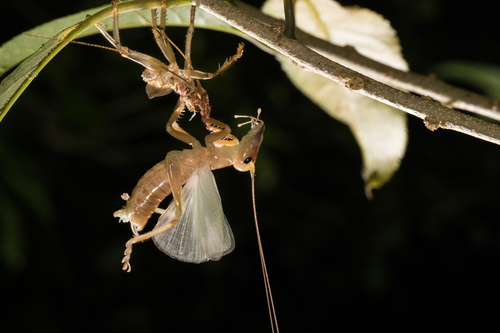
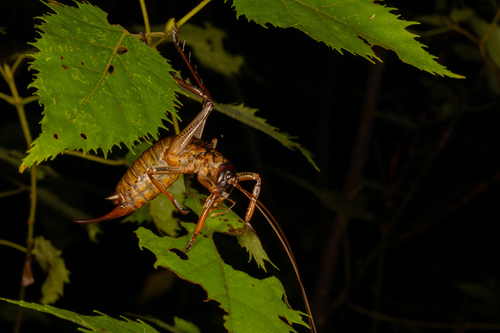
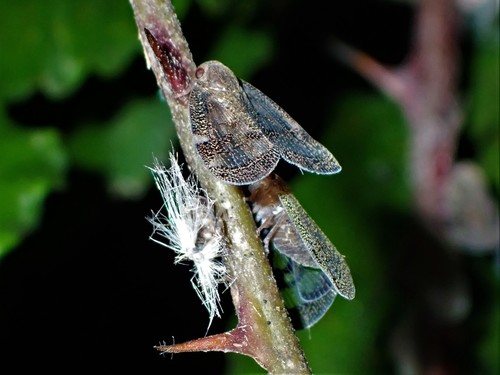
Acanthoxyla prasina, commonly known as the prickly stick insect, is a stick insect species in the order Phasmatodea and family Phasmatidae. It is native to New Zealand, where it occurs throughout the country, although it is less frequently observed than the more common stick insect species. The species has also been introduced to Britain, especially in Cornwall and Devon, and to the south-west of the Republic of Ireland. Its thorn-covered body provides effective camouflage among foliage.

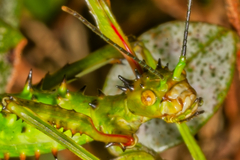
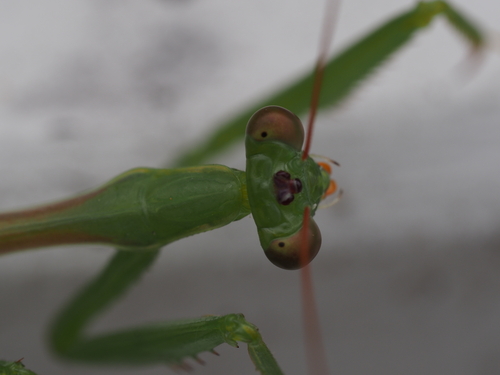
Adult Acanthoxyla prasina are relatively large, ranging from 7.5 to 11 cm in body length. They tend to be broader than other New Zealand stick insects and occur in green or brown-coloured forms. Eight subspecies have been described, some of which bear prominent dark spines on the thorax and abdomen. The species shows variation in the number and size of its characteristic spines, including a distinctive projection beneath the abdomen at the base of the subgenital plate. Black-tipped spines occur across the head, thorax, abdomen and femora. The antennae are typically slightly longer than the fore femora, and the terminal segment of the abdomen is shorter and more rounded than in related... Wikipedia →

Global Distribution

Parks Where Found

# Park Country Daily sighting probability
1 Rakiura National Park 🇳🇿 New Zealand
~20%
2 Abel Tasman National Park 🇳🇿 New Zealand
~20%
3 Egmont National Park 🇳🇿 New Zealand
~20%
4 Fiordland National Park 🇳🇿 New Zealand
~10%

Cities Where Found

# City Country Daily sighting probability
1 Auckland 🇳🇿 New Zealand
~10%

Before you go

What are the chances of seeing a Prickly Stick Insect in Auckland?

With luck

About 10% of wildlife watchers report a Prickly Stick Insect sighting in Auckland on a given day, based on 47 verified sightings from GBIF citizen-science data. It is the 142nd most-seen of the 689 insects we can rate there. Over three days the chance rises to about 20%, and over a week to about 50%, if each day is a fresh chance.

When is the best time to see a Prickly Stick Insect in Auckland?

May, July, September and November–February

In those months about 10% of wildlife watchers report a Prickly Stick Insect in Auckland on a given day, against under 5% in March–April, June, August and October, the lowest months.

What time of day is best to see a Prickly Stick Insect?

Between 9 pm and midnight

Across all the parks we cover, that three-hour window holds the most Prickly Stick Insect sightings with a recorded time, and about half of them come between 6 pm and 6 am: it is seen both by day and at night.

Where else can you see a Prickly Stick Insect?

Only Auckland, in our data

Auckland is the only city on Wallace's Line with enough records to rate Prickly Stick Insect sightings: about 10% of wildlife watchers there report one on a given day.

Where does the Prickly Stick Insect sighting chance come from?

GBIF citizen-science records

It is estimated from how often the Prickly Stick Insect is recorded against all the insects logged in Auckland (47 verified sightings), calibrated against known sighting rates. Figures are rounded to the nearest 10% because citizen-science data supports honest approximations, not decimals, and months with records from fewer than five people show "—". How it works.

← Back to Auckland