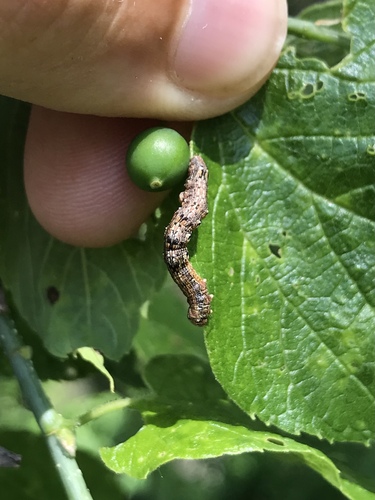
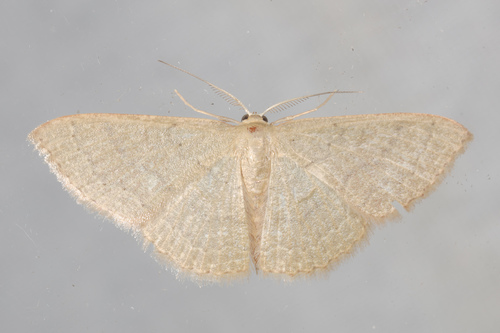
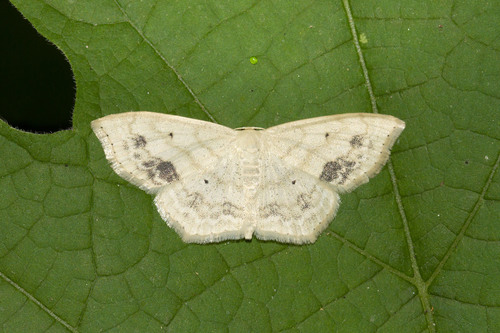
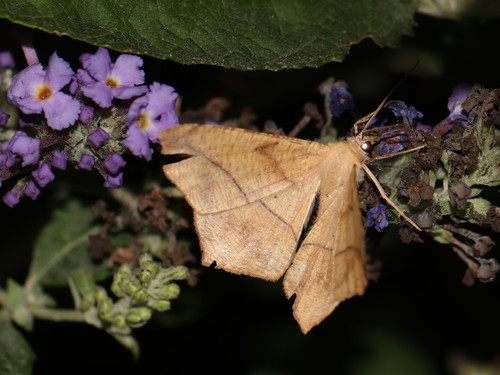
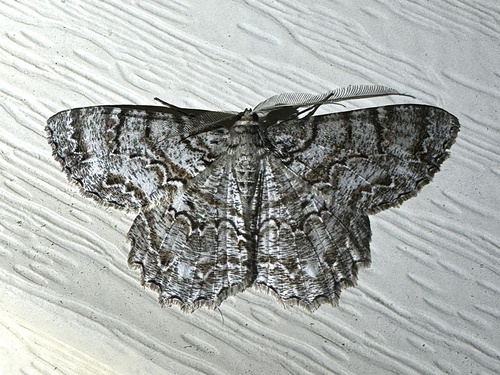
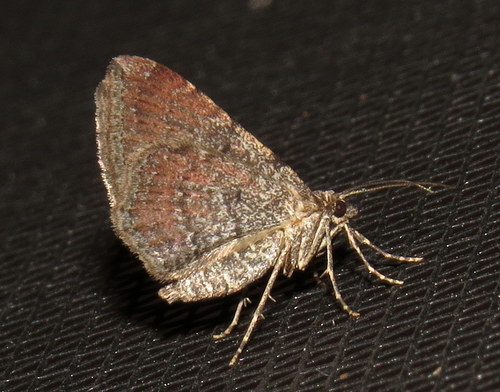
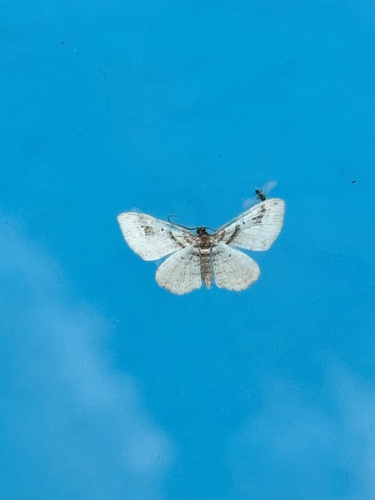
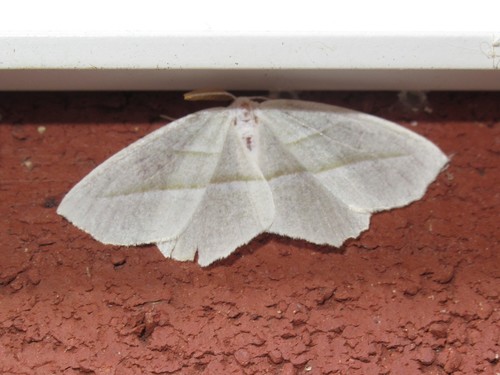
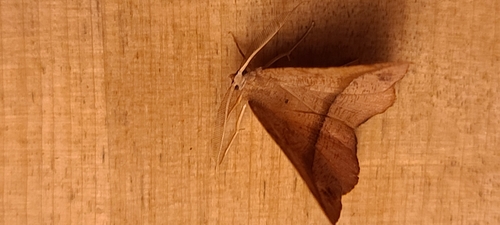
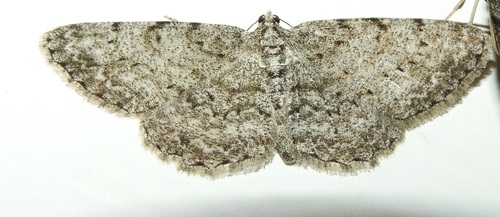
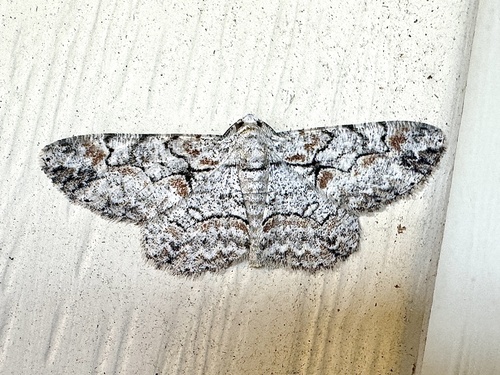
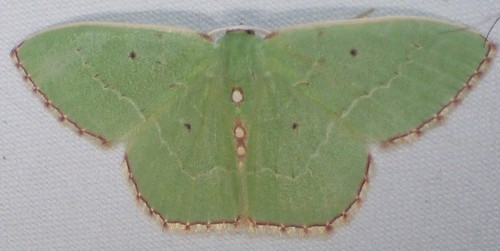
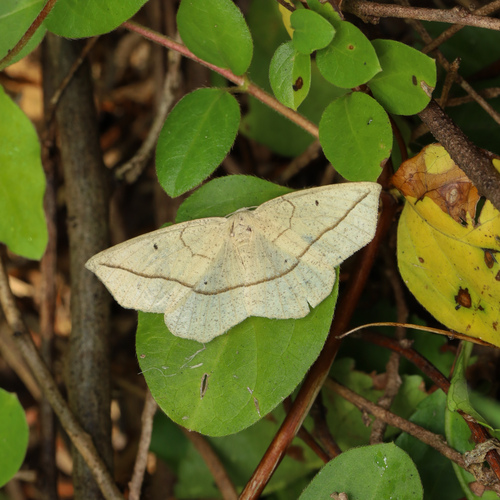
Spring Cankerworm Moth

Spring Cankerworm Moth

Paleacrita vernata

Daily sighting probability <5% · Rare
at Baltimore

In 3 days ~10% in a week ~20%

7 Verified sightings at Baltimore
January Best month

About the Spring Cankerworm Moth

Paleacrita vernata, the spring cankerworm, is a moth of the family Geometridae. The species was first described by William Dandridge Peck in 1795. It is found in North America from the Atlantic Ocean west to Alberta, Texas and California.

The length of the forewings is 11–18 mm for males. The females are wingless. Adult males are on wing from February to late May. The larvae feed on various deciduous trees and shrubs, but especially Acer, Ulmus, Betula and Prunus species. Oaks (Quercus) are also affected, and many homeowners place sticky bands around trunks of their trees to trap the migrating adults as they climb the tree to lay eggs. The eggs hatch, turning into numerous inch-long worms that can defoliate and kill a tree. The worms often fall from the canopy onto passersby. Usually they are suspended by a line of silk that they can climb back into the tree along, should a spring wind dislodge them from their meal of leaves. Wikipedia →

Global Distribution

Parks Where Found

# Park Country Daily sighting probability

More parks will be added in future updates.

Cities Where Found

# City Country Daily sighting probability
1 Austin 🇺🇸 United States
~10%
2 Dallas 🇺🇸 United States
~10%
3 Baltimore 🇺🇸 United States
<5%
4 Chicago 🇺🇸 United States
<5%
5 Boston 🇺🇸 United States
<5%
6 Washington 🇺🇸 United States
<5%
7 Minneapolis [Saint Paul] 🇺🇸 United States
<5%
8 Toronto 🇨🇦 Canada
<5%
9 Montreal 🇨🇦 Canada
<5%
10 New York City 🇺🇸 United States
<5%

Before you go

What are the chances of seeing a Spring Cankerworm Moth in Baltimore?

Rare

Under 5% of wildlife watchers report a Spring Cankerworm Moth sighting in Baltimore on a given day, based on 7 verified sightings from GBIF citizen-science data. It is the 486th most-seen of the 705 insects we can rate there. Over three days the chance rises to about 10%, and over a week to about 20%, if each day is a fresh chance.

When is the best time to see a Spring Cankerworm Moth in Baltimore?

January to March

In those months about 10% of wildlife watchers report a Spring Cankerworm Moth in Baltimore on a given day, against under 5% in April to December, the lowest months.

Is Baltimore the best place to see a Spring Cankerworm Moth?

3rd of 10

Of the 10 cities where we can rate Spring Cankerworm Moth sightings, Baltimore ranks 3rd at under 5%. The best odds are in Austin (United States, about 10%) and Dallas (United States, about 10%).

Where does the Spring Cankerworm Moth sighting chance come from?

GBIF citizen-science records

It is estimated from how often the Spring Cankerworm Moth is recorded against all the insects logged in Baltimore (7 verified sightings), calibrated against known sighting rates. Figures are rounded to the nearest 10% because citizen-science data supports honest approximations, not decimals, and months with records from fewer than five people show "—". How it works.

← Back to Baltimore