











All 5 in 3 days here: ~30%
City
Belgrade
🇷🇸 Serbia
Europe, Serbia 228 spp. recorded
Belgrade is the capital and largest city of Serbia. It is located at the confluence of the Sava and Danube rivers and at the crossroads of the Pannonian Plain and the Balkan Peninsula. It is one of the major cities of Southeast Europe and the third-most populous city on the river Danube. Wikipedia
44.786° N 20.447° E
🦜 Nature

228 Species sighted
52,127 Verified sightings From 2019 to 2026
May Best month
⭐ Iconic Species
📊 Most Spotted
📊 Most Spotted

LC
 European Wood Mouse
Apodemus sylvaticus

LC
 Wild Boar
Sus scrofa

LC
 Coypu
Myocastor coypus

LC
 Muskrat
Ondatra zibethicus

LC
 Greater White-toothed Shrew
Crocidura russula
⭐ Iconic Species
📊 Most Spotted
⭐ Iconic Species
📊 Most Spotted

LC
 Green Lizard
Lacerta viridis

LC
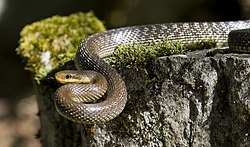
 Aesculapian Snake
Zamenis longissimus

LC
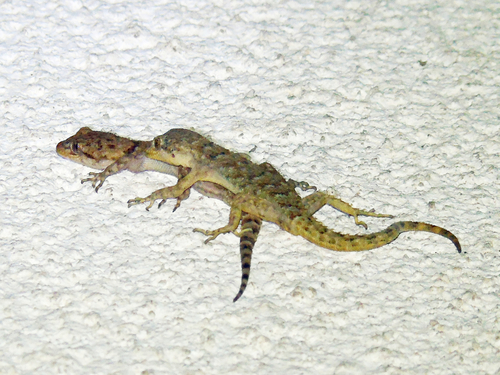
 Mediterranean House Gecko
Hemidactylus turcicus

LC
 grass snake
Natrix natrix
📊 Most Spotted

LC
 Agile Frog
Rana dalmatina
VU
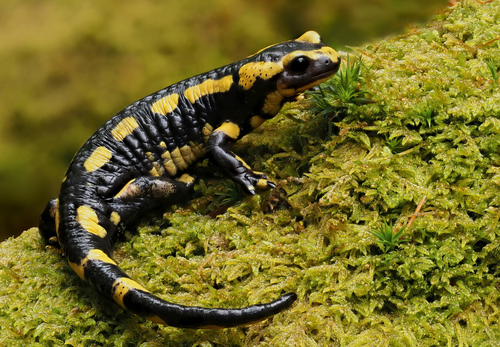
 Fire Salamander
Salamandra salamandra

LC
 European Toad
Bufo bufo

LC
 Smooth Newt
Lissotriton vulgaris
📊 Most Spotted
🌙 Most active after dark
LC
Agile Frog
Rana dalmatina
Challenges you can complete here





All 6 in 3 days here: ~10%
Recent sightings in Belgrade
LIVEiNaturalistWhere to look
Warmer areas are where all species together are recorded most often.
-
Luka Beograd / Port of Belgrade
-
Dorćolski kej--combined eastern and western part, IBA Ušće Save u Dunav
-
Kalemegdan · Gornji grad
-
Šumice · Šumice Park, Voždovac
Daily sight. prob.vs avg -
Zemunski kej, severni deo naspram Lida, IBA Ušće Save u Dunav
-
Dorćolski kej--eastern part (Danube downstream of VRO), IBA Ušće Save u Dunav
-
Ušće Park--Konjska ada/vrbak/Taverna/Stara koliba, IBA Ušće Save u Dunav
-
Savski nasip--blokovi (45,44,70,70a), Novi Beograd
-
Bajfordova šuma (Byford's Forest), Voždovac
-
Ada Ciganlija · eastern side, IBA Ušće Save u Dunav
Daily sight. prob.vs avg -
Zvezdarska šuma (Zvezdara Forest) · forest
Daily sight. prob.vs avg









Sighting Calendar
How many species you'd see in a day
21Jan
23Feb
27Mar
28Apr
28May
27Jun
26Jul
26Aug
27Sep
26Oct
26Nov
24Dec
🏙️ City
Essentials
Green cover
High
Protected land
3%
Protected sea
—
Protected areas
31
areasWildlife spots
12
spotsZoos & centres
2
placesClimate
Humid subtropical
World Heritage
No
Climate
Temp °C Rain mm
JanFebMarAprMayJunJulAugSepOctNovDec
Zoos & rescue centres


0.0 Good
Wallace's Line Score
How good is this city for seeing wildlife? 🦜
Biodiversity
GoodHow rich is the wildlife?
3.3
Species by taxon
🦅 Birds 316
🐒 Mammals 83
🦎 Reptiles 22
🐸 Amphibians 15
436 Total Species
679 Global average across 380 cities
22 Threatened 0 Endemic
🔭
Sighting
GoodHow likely to see animals?
3.8
🎯
Top-12 Avg Probability
65% 📊
Coverage (85 species at ≥5% of 436 in the inventory)
19% 🔀
Taxon variety in top 12 (11 bird, 1 reptile)
20% 🌟
Iconic-group species (≥15%) (every species from the 19 iconic groups — monkeys, cats, toucans, macaws, sloths, crocodilians… — not just the 4 highlighted above)
1 ⭐
High-prob species (>40%)
13 🏕️
Experience
ExcellentHow easy and pleasant is the visit?
4.4
Climate Mixed Medium
Green cover High High
Protected land & sea 3% land Medium
Protected areas 31 High
Wildlife spots 12 High
Zoos & centres 2 High
What visitors say
Before you go
What animals can you see in Belgrade?
228 species
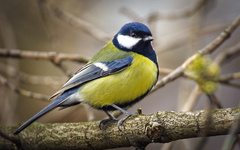
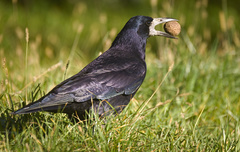
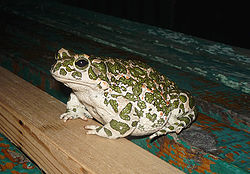
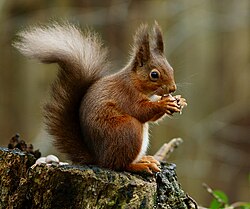
Belgrade's urban area has 228 recorded vertebrate species. The ones wildlife watchers report most often on a given day are Hooded Crow (about 90%), Great Tit (about 80%), Rock Pigeon (about 80%), Wood Pigeon (about 80%) and House Sparrow (about 70%). Among mammals, the most-seen is Eurasian Red Squirrel (about 30%); among reptiles, Common Wall Lizard (about 40%); among amphibians, Green Toad (about 30%).
When is the best time to see wildlife in Belgrade?
September to December
In those months the city's 12 most-seen species average about 70% on a given day, against about 60% in January to August.
Can you see a Hooded Crow in Belgrade?
Yes
About 90% of wildlife watchers report a Hooded Crow sighting in Belgrade on a given day, based on 4,492 verified sightings from GBIF citizen-science data from 2019 to 2026. The best time is February–March, June and October–December (over 90%).
Can you see a Wood Pigeon in Belgrade?
Yes
About 80% of wildlife watchers report a Wood Pigeon sighting in Belgrade on a given day, based on 2,826 verified sightings from GBIF citizen-science data from 2019 to 2026. The best time is March to September (about 90%).
Can you see a Common Wall Lizard in Belgrade?
Yes
About 40% of wildlife watchers report a Common Wall Lizard sighting in Belgrade on a given day, based on 222 verified sightings from GBIF citizen-science data from 2019 to 2026. The best time is April (about 60%).
Where in Belgrade is wildlife easiest to see?
Luka Beograd / Port of Belgrade
The spot where most wildlife watchers record their sightings is Luka Beograd / Port of Belgrade (79 bird species recorded), followed by Dorćolski kej--combined eastern and western part, IBA Ušće Save u Dunav and Kalemegdan · Gornji grad. See them on the map.
Is Belgrade good for wildlife watching?
3.6 out of 5
On the Wallace's Line Score, which rates each city against other cities, Belgrade gets 3.6/5: 300th of 380 cities worldwide and 30th in Europe. 17 of its species are reported by about 40% or more of wildlife watchers on a given day.
Nearest Cities


Nearest Parks


Nearest Zoos & Centres

Sources: urban area GHSL Urban Centre Database R2024A, European Commission JRC (CC BY 4.0) · protected land WDPA, UNEP-WCMC & IUCN (via GHSL) · climate NASA POWER · wildlife GBIF.org citizen-science data