Eastern Double Drummer

Eastern Double Drummer

Thopha saccata

Endemic
Daily sighting probability <5% · Rare
at Brisbane

In 3 days ~10% in a week ~20%

5 Verified sightings at Brisbane
94 In all 3 parks From 2019 to 2026
January Best month
☀️ Diurnal When it's spotted

About the Eastern Double Drummer

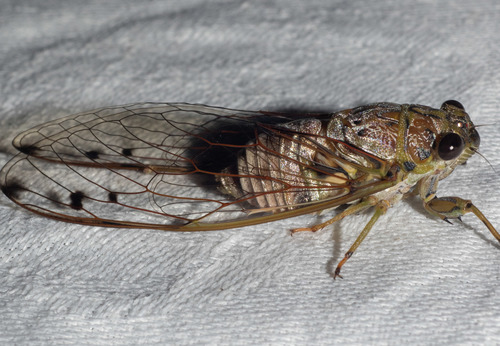
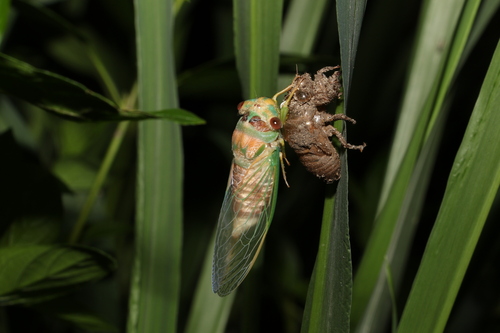
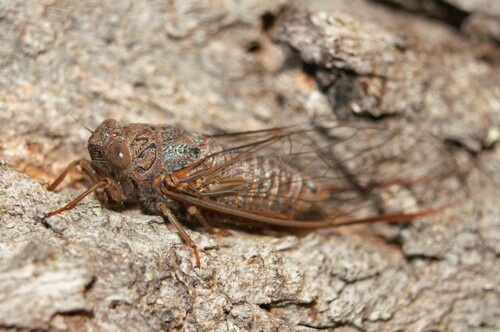
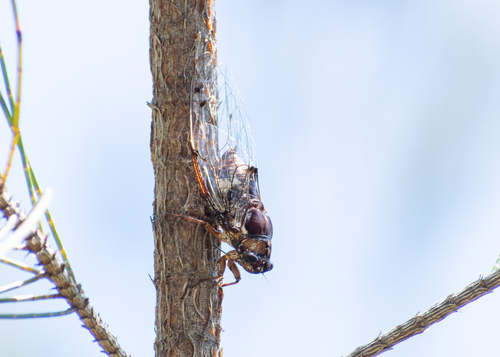
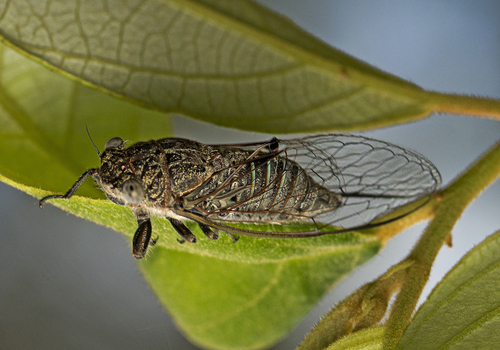
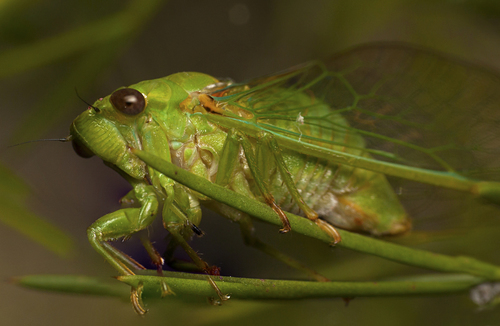
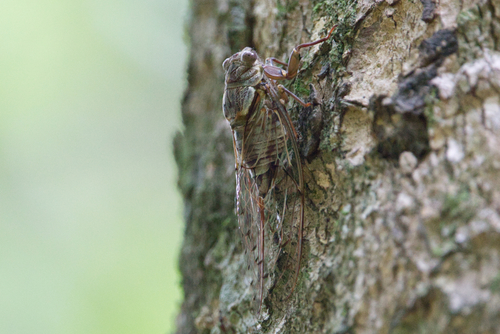
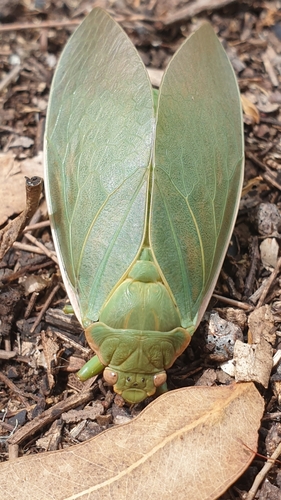
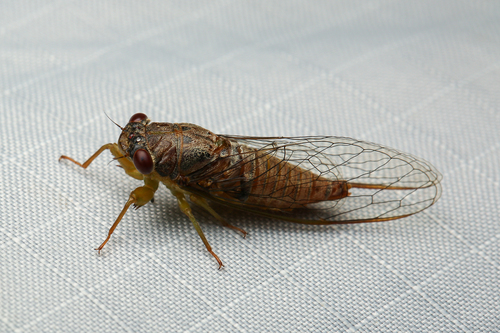
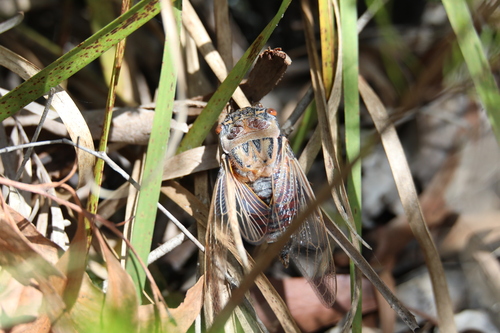
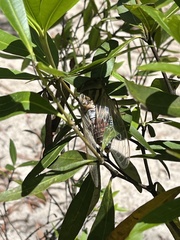
Thopha saccata, the double drummer, is the largest Australian species of cicada and reputedly the loudest insect in the world. Documented by the Danish zoologist Johan Christian Fabricius in 1803, it was the first described and named cicada native to Australia. Its common name comes from the large dark red-brown sac-like pockets that the adult male has on each side of its abdomen—the "double drums"—that are used to amplify the sound it produces.

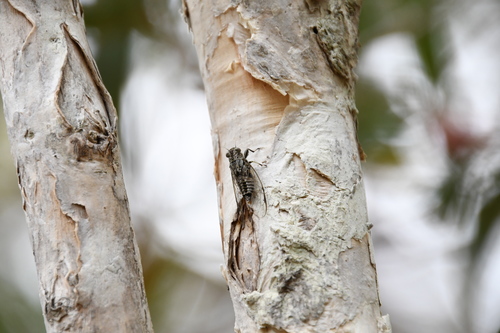
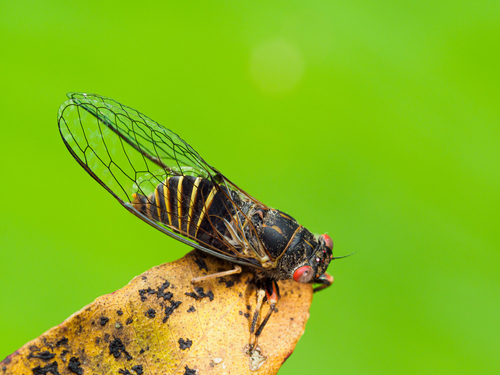
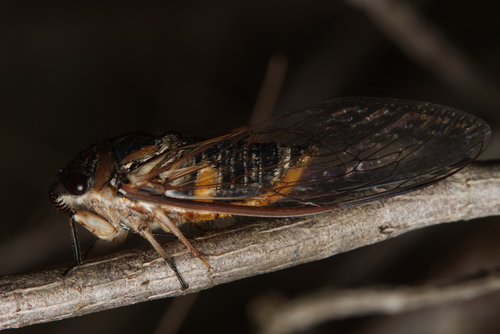
Broad-headed compared with other cicadas, the double drummer is mostly brown with a black pattern across the back of its thorax, and has red-brown and black underparts. The sexes are similar in appearance, though the female lacks the male's tymbals and sac-like covers. Found in sclerophyll forest in Queensland and New South Wales, adult double drummers generally perch high in the branches of large eucalypts. They emerge from the ground where they have spent several years as nymphs from November until March, and live for another four to five weeks. They appear in great numbers in some years, yet are absent in others.

Danish naturalist Johan Christian Fabricius described the double drummer as Tettigonia saccata in 1803, the first... Wikipedia →
Global Distribution

Parks Where Found

# Park Country Daily sighting probability
1 Booderee National Park 🇦🇺 Australia
~20%
2 Blue Mountains National Park 🇦🇺 Australia
~10%
3 Royal National Park 🇦🇺 Australia
~10%

Cities Where Found

# City Country Daily sighting probability
1 Sydney 🇦🇺 Australia
<5%
2 Brisbane 🇦🇺 Australia
<5%

Before you go

What are the chances of seeing an Eastern Double Drummer in Brisbane?

Rare

Under 5% of wildlife watchers report an Eastern Double Drummer sighting in Brisbane on a given day, based on 5 verified sightings from GBIF citizen-science data. It is the 981st most-seen of the 1083 insects we can rate there. Over three days the chance rises to about 10%, and over a week to about 20%, if each day is a fresh chance.

When is the best time to see an Eastern Double Drummer in Brisbane?

Any time of year

In every month with enough records, under 5% of wildlife watchers report an Eastern Double Drummer in Brisbane on a given day, so our monthly data shows no clear season.

What time of day is best to see an Eastern Double Drummer?

Between noon and 3 pm

Across all the parks we cover, that three-hour window holds the most Eastern Double Drummer sightings with a recorded time, and about 9 in 10 of them come between 6 am and 6 pm: it is a daytime animal.

Is Brisbane the best place to see an Eastern Double Drummer?

Among the best

Of the 2 cities where we can rate Eastern Double Drummer sightings, Brisbane ranks 2nd at under 5%, level with the leaders once rounded. The best odds are in Sydney (Australia, under 5%).

Which relatives of the Eastern Double Drummer live in Brisbane?

Same family: Cicadidae

The closest relatives of the Eastern Double Drummer that you can see in Brisbane (family Cicadidae, Typical Cicadas) are Brown Bunyip (about 10%), Clanger (about 10%) and Black Tree-Ticker (about 10%), with each one's daily chance of a sighting.

Where does the Eastern Double Drummer sighting chance come from?

GBIF citizen-science records

It is estimated from how often the Eastern Double Drummer is recorded against all the insects logged in Brisbane (5 verified sightings), calibrated against known sighting rates. Figures are rounded to the nearest 10% because citizen-science data supports honest approximations, not decimals, and months with records from fewer than five people show "—". How it works.

← Back to Brisbane