Ectophasia crassipennis

Ectophasia crassipennis

Ectophasia crassipennis

Daily sighting probability <5% · Rare
at Brussels

In 3 days ~10% in a week ~30%

7 Verified sightings at Brussels
34 In all 3 parks From 2019 to 2026
September Best month
☀️ Diurnal When it's spotted

About the Ectophasia crassipennis

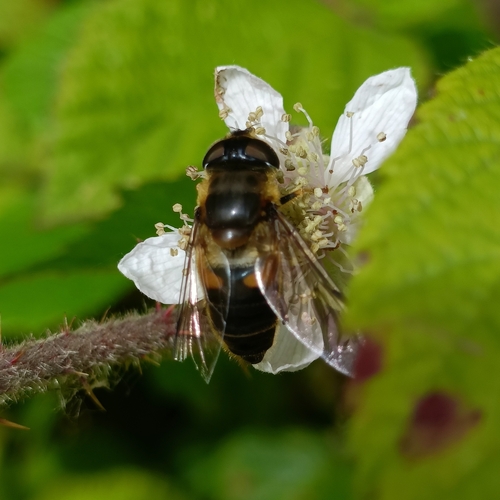
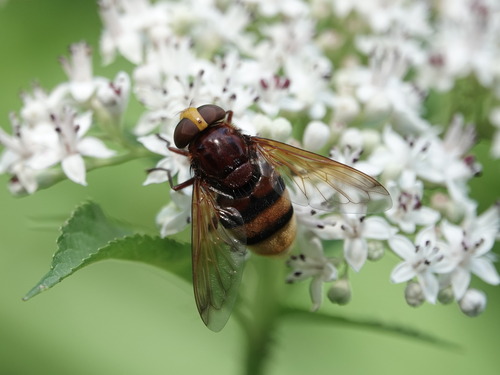
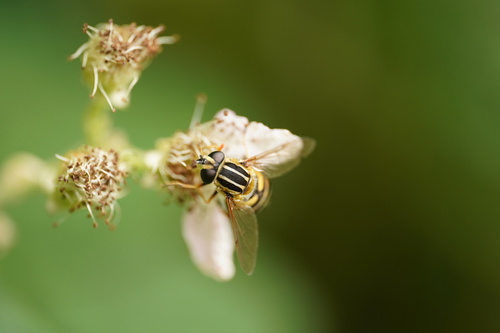
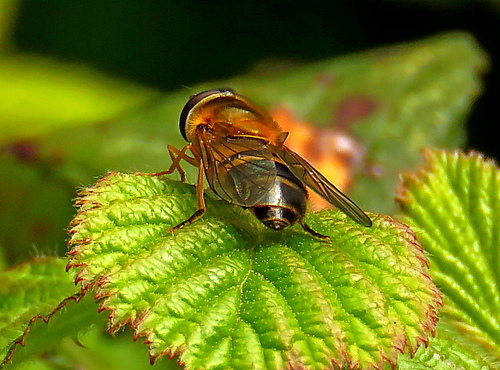
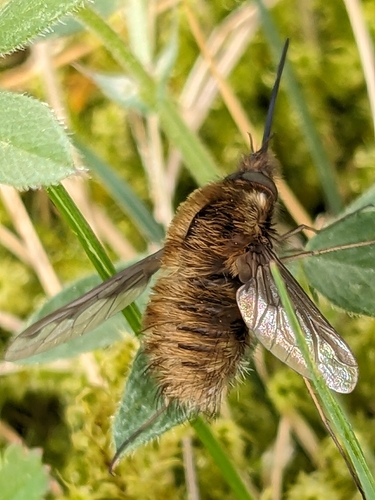
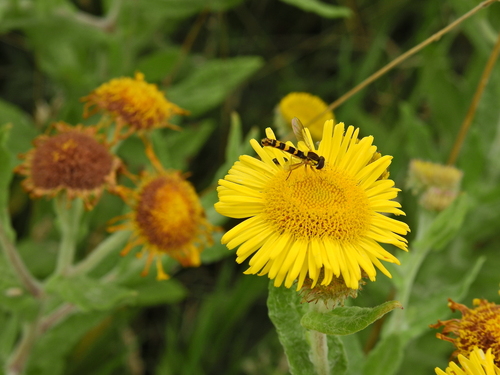
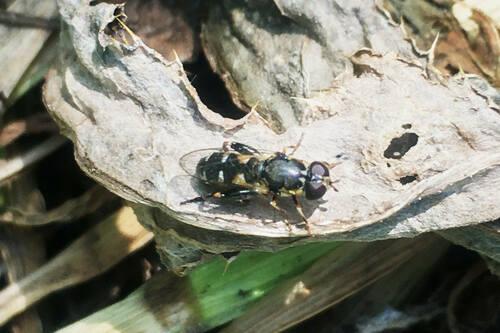
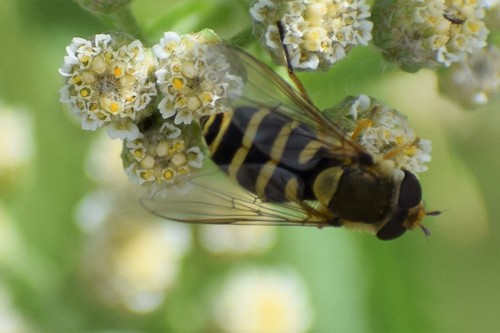
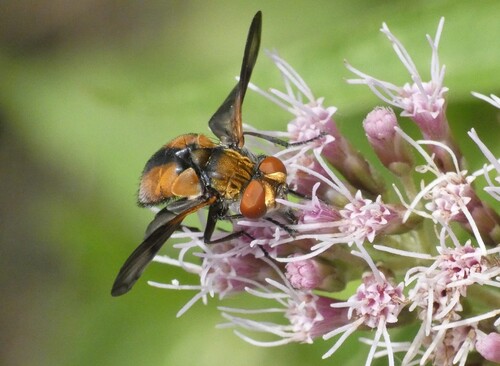
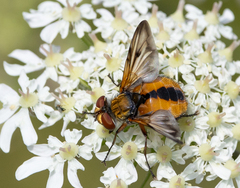
Ectophasia crassipennis is a species of parasitic fly in the subfamily Phasiinae of the family Tachinidae. Adults of Ectophasia crassipennis can reach a length of about 5–9 millimetres (0.20–0.35 in) and exhibit considerable variability in coloration, ranging from blackish to orange-brownish hues. Their large compound eyes are reddish. Notably, the species boasts a broad, flattened abdomen with ventrally folded sternite 7, while its large wings have wide brownish or greyish dots and the cell R5 is opened at the edge. Distinguishing Ectophasia crassipennis from its similar counterpart, Ectophasia oblonga, can pose a challenge due to their morphological similarities.

This fly is present in Southern Europe and warmer parts of Central Europe, where it thrives in diverse habitats. It also occurs in Asia in Russia, Japan, and China. These flies can mostly be encountered from early August through late September feeding on nectar of flowers (especially of Apiaceae and Asteraceae species).

The larvae are parasitic of Hemiptera (Pentatomidae, Acanthosomatidae, Coreidae and Lygaeidae species). Wikipedia →
Global Distribution

Parks Where Found

# Park Country Daily sighting probability
1 Cévennes National Park 🇫🇷 France
~10%
2 Pyrénées National Park 🇫🇷 France
<5%
3 Bavarian Forest National Park 🇩🇪 Germany
<5%

Cities Where Found

# City Country Daily sighting probability
1 Brussels 🇧🇪 Belgium
<5%
2 Warsaw 🇵🇱 Poland
<5%
3 Munich 🇩🇪 Germany
<5%
4 Berlin 🇩🇪 Germany
<5%
5 Lyon 🇫🇷 France
<5%
6 Kyiv 🇺🇦 Ukraine
<5%
7 Helsinki 🇫🇮 Finland
<5%
8 London 🇬🇧 United Kingdom
<5%
9 Moscow 🇷🇺 Russia
<5%

Before you go

What are the chances of seeing an Ectophasia crassipennis in Brussels?

Rare

Under 5% of wildlife watchers report an Ectophasia crassipennis sighting in Brussels on a given day, based on 7 verified sightings from GBIF citizen-science data. It is the 235th most-seen of the 337 insects we can rate there. Over three days the chance rises to about 10%, and over a week to about 30%, if each day is a fresh chance.

When is the best time to see an Ectophasia crassipennis in Brussels?

July to October

In those months about 10% of wildlife watchers report an Ectophasia crassipennis in Brussels on a given day, against under 5% in November to June, the lowest months.

What time of day is best to see an Ectophasia crassipennis?

Between 10 am and 1 pm

Across all the parks we cover, that three-hour window holds the most Ectophasia crassipennis sightings with a recorded time, and about 9 in 10 of them come between 6 am and 6 pm: it is a daytime animal.

Is Brussels the best place to see an Ectophasia crassipennis?

Yes

Of the 9 cities where we can rate Ectophasia crassipennis sightings, Brussels has the highest daily chance: under 5%. Next come Warsaw (Poland, under 5%) and Munich (Germany, under 5%).

Where does the Ectophasia crassipennis sighting chance come from?

GBIF citizen-science records

It is estimated from how often the Ectophasia crassipennis is recorded against all the insects logged in Brussels (7 verified sightings), calibrated against known sighting rates. Figures are rounded to the nearest 10% because citizen-science data supports honest approximations, not decimals, and months with records from fewer than five people show "—". How it works.

← Back to Brussels