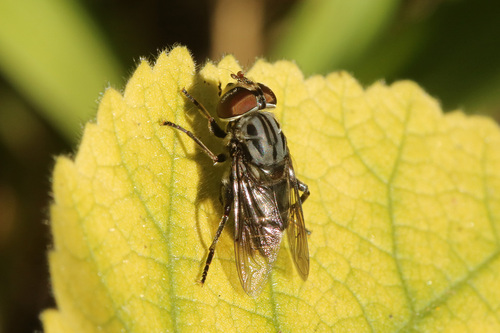
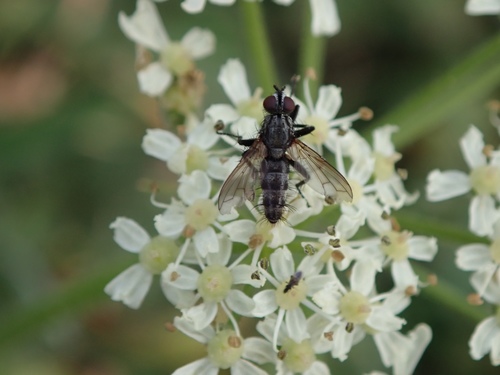
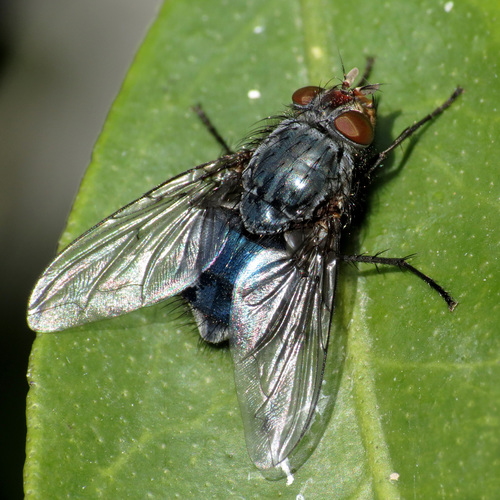
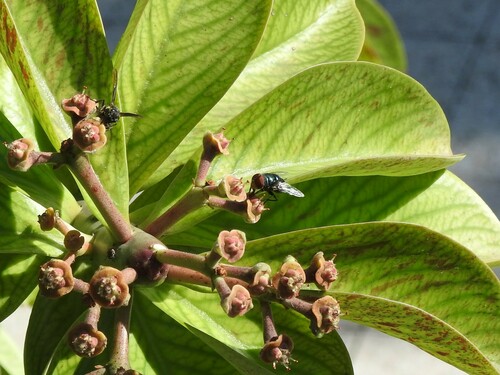
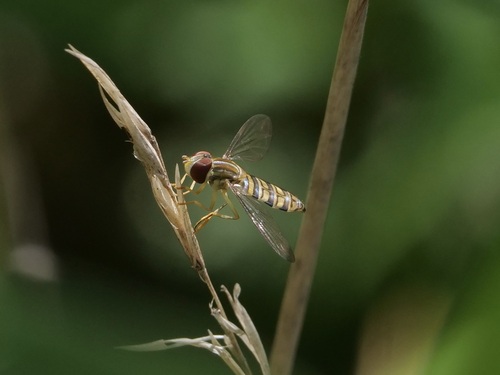
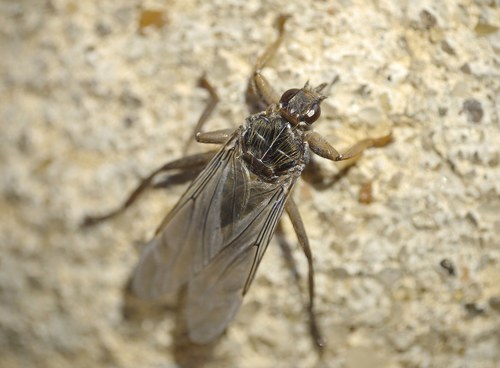
Pigeon Louse Fly

Pigeon Louse Fly

Pseudolynchia canariensis

Daily sighting probability <5% · Rare
at Buenos Aires

In 3 days ~10% in a week ~20%

7 Verified sightings at Buenos Aires
June Best month

About the Pigeon Louse Fly

Pseudolynchia canariensis, the pigeon louse fly or pigeon fly, is a species of biting fly in the family of louse flies, Hippoboscidae. Pseudolynchia canariensis are species-specific (Columbidae) obligate ectoparasites potentially found in many parts of world where domestic pigeons are kept. Known from wild or feral hosts in continental Africa, the Mediterranean Sub-region, Afghanistan, India, Bangladesh, Nepal, Thailand, Taiwan, Ryukyu Islands, the Philippines, Malaya, and Indonesia, as well as North America and South America in warmer latitudes.

In 1931, G. Robert Coatney conducted an experiment to determine if pigeon louse flies would bite humans and survive on human blood and he found they could not. The only wild hosts are pigeons and doves (Columbidae). In domestic settings they have been recorded from 33 genera, 13 families and 8 orders of birds.

Pseudolynchia canariensis is the definitive host (sexual reproduction takes place in the insect vector) for the protozoan Haemoproteus columbae or pigeon malaria and transmits this parasite to Columbiformes. This parasite can be fatal to young rock pigeons in extremely infected birds... Wikipedia →
Global Distribution

Parks Where Found

# Park Country Daily sighting probability

More parks will be added in future updates.

Cities Where Found

# City Country Daily sighting probability
1 Valencia 🇪🇸 Spain
~10%
2 Tel Aviv 🇮🇱 Israel
~10%
3 Bucharest 🇷🇴 Romania
~10%
4 Lisbon 🇵🇹 Portugal
<5%
5 Rome 🇮🇹 Italy
<5%
6 Kyiv 🇺🇦 Ukraine
<5%
7 Barcelona 🇪🇸 Spain
<5%
8 Monterrey 🇲🇽 México
<5%
9 São Paulo 🇧🇷 Brazil
<5%
10 Bengaluru 🇮🇳 India
<5%

Before you go

What are the chances of seeing a Pigeon Louse Fly in Buenos Aires?

Rare

Under 5% of wildlife watchers report a Pigeon Louse Fly sighting in Buenos Aires on a given day, based on 7 verified sightings from GBIF citizen-science data. It is the 460th most-seen of the 558 insects we can rate there. Over three days the chance rises to about 10%, and over a week to about 20%, if each day is a fresh chance.

When is the best time to see a Pigeon Louse Fly in Buenos Aires?

Any time of year

In every month with enough records, under 5% of wildlife watchers report a Pigeon Louse Fly in Buenos Aires on a given day, so our monthly data shows no clear season.

Is Buenos Aires the best place to see a Pigeon Louse Fly?

13th of 16

Of the 16 cities where we can rate Pigeon Louse Fly sightings, Buenos Aires ranks 13th at under 5%. The best odds are in Valencia (Spain, about 10%), Tel Aviv (Israel, about 10%) and Bucharest (Romania, about 10%).

Which relatives of the Pigeon Louse Fly live in Buenos Aires?

Same order: Diptera

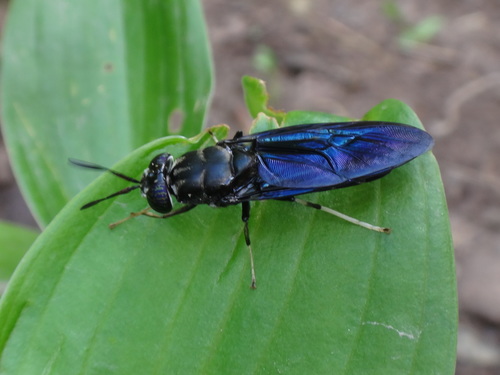
The closest relatives of the Pigeon Louse Fly that you can see in Buenos Aires (order Diptera, Flies) are Stripe-Eyed Lagoon Fly (about 10%), Black Soldier Fly (about 10%) and Dioprosopa clavatus (about 10%), with each one's daily chance of a sighting.

Where does the Pigeon Louse Fly sighting chance come from?

GBIF citizen-science records

It is estimated from how often the Pigeon Louse Fly is recorded against all the insects logged in Buenos Aires (7 verified sightings), calibrated against known sighting rates. Figures are rounded to the nearest 10% because citizen-science data supports honest approximations, not decimals, and months with records from fewer than five people show "—". How it works.

← Back to Buenos Aires