City
Campo Grande
🇧🇷 Brazil
South America, Brazil 376 spp. recorded
Campo Grande is a city in the central and western region of Brazil, capital and the largest city of the state of Mato Grosso do Sul. Historically a stronghold of separatists from the North and South, the city is planned in the middle of a vast green space, with wide streets and tree-lined avenues. Wikipedia
20.468° S 54.614° W
🦜 Nature

376 Species sighted
33,131 Verified sightings From 2019 to 2026
Oct Best month
⭐ Iconic Species


📊 Most Spotted





📊 Most Spotted




LC
 Brazilian Guinea Pig
Cavia aperea

LC
 Southern red bat
Lasiurus blossevillii

LC
 Crab-eating Fox
Cerdocyon thous

LC
 Six-banded Armadillo
Euphractus sexcinctus

VU
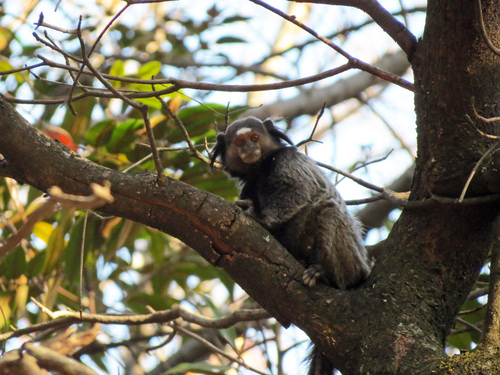
 Hooded Capuchin
Sapajus cay

LC
 Lesser Long-nosed Armadillo
Dasypus septemcinctus
⭐ Iconic Species
📊 Most Spotted


📊 Most Spotted




LC
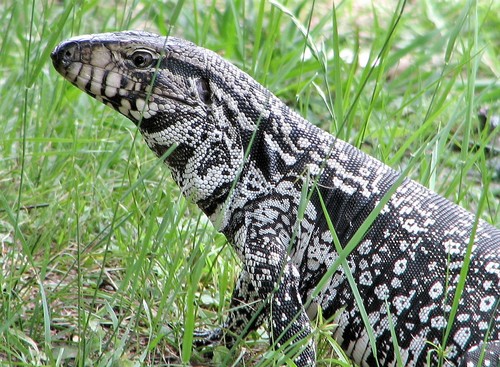
 Broad-snouted Caiman
Caiman latirostris

LC
 Guibe's Flame Snake
Oxyrhopus guibei
LC
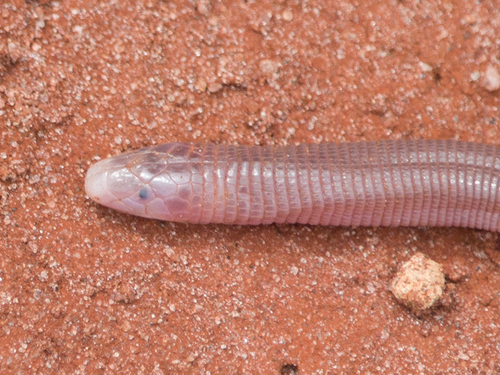
 Robert's Cercolophia
Amphisbaena roberti

LC
 Yellow-bellied Liophis
Erythrolamprus poecilogyrus
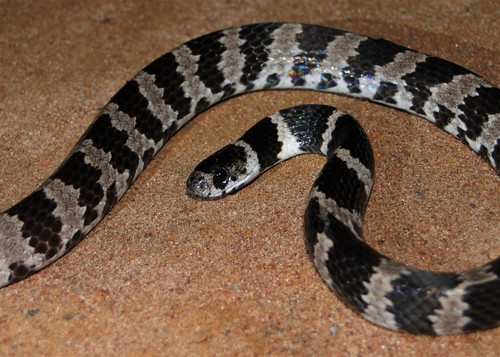
LC
Brazilian Slug-eating Snake
Dipsas mikanii
📊 Most Spotted
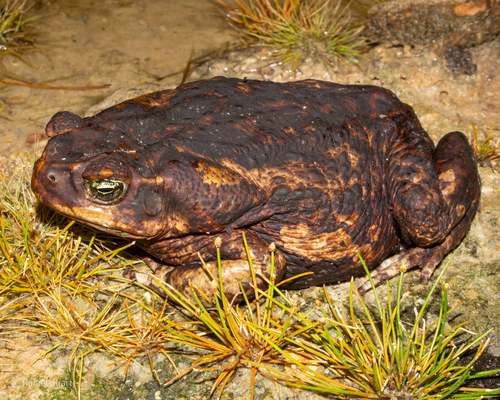


LC
 Pepper Frog
Leptodactylus labyrinthicus
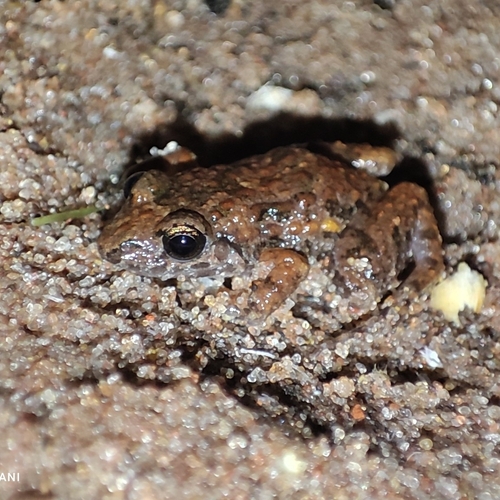
LC
Chacoan Tropical Bullfrog
Adenomera diptyx

LC
Mustached Frog
Leptodactylus mystacinus

LC
Whistling Grass Frog
Leptodactylus fuscus

LC
Pointedbelly Frog
Leptodactylus podicipinus

LC
 Fuscous-blotched Snouted Tree Frog
Scinax fuscovarius

LC
 Cuvier’s Foam Frog
Physalaemus cuvieri

LC
 Boettger's Caecilian
Siphonops paulensis

LC
Basin White-lipped Frog
Leptodactylus syphax
📊 Most Spotted
🌙 Most active after dark


LC
Pepper Frog
Leptodactylus labyrinthicus
LC
Whistling Grass Frog
Leptodactylus fuscus
LC
Crab-eating Fox
Cerdocyon thous
LC
Pointedbelly Frog
Leptodactylus podicipinus
LC
Fuscous-blotched Snouted Tree Frog
Scinax fuscovarius

LC
 Ñacundá Nighthawk
Chordeiles nacunda
Recent sightings in Campo Grande
LIVEiNaturalistWhere to look
Warmer areas are where all species together are recorded most often.
-
Bosque da paz/carandá bosque
-
Parque das Nações Indígenas
-
Parque Estadual do Prosa
-
Centro de Educação Ambiental Imbirussu
-
Aeroporto Internacional de Campo Grande
-
Parque Ecológico do Sóter








Sighting Calendar
How many species you'd see in a day
36Jan
34Feb
35Mar
33Apr
35May
32Jun
30Jul
37Aug
43Sep
43Oct
35Nov
39Dec
🏙️ City
Essentials
Green cover
Medium
Protected land
0.6%
Protected sea
—
Protected areas
2
areasWildlife spots
12
spotsZoos & centres
1
placesClimate
Tropical savanna
World Heritage
No
Climate
Temp °C Rain mm
JanFebMarAprMayJunJulAugSepOctNovDec
Zoos & rescue centres

0.0 World-class
Wallace's Line Score
How good is this city for seeing wildlife? 🦜
Biodiversity
ExcellentHow rich is the wildlife?
4.7
Species by taxon
🦅 Birds 515
🐒 Mammals 149
🦎 Reptiles 151
🐸 Amphibians 51
866 Total Species
679 Global average across 380 cities
26 Threatened 13 Endemic
🔭
Sighting
ExcellentHow likely to see animals?
5.0
🎯
Top-12 Avg Probability
75% 📊
Coverage (171 species at ≥5% of 866 in the inventory)
20% 🔀
Taxon variety in top 12 (11 bird, 1 mammal)
20% 🌟
Iconic-group species (≥15%) (every species from the 19 iconic groups — monkeys, cats, toucans, macaws, sloths, crocodilians… — not just the 4 highlighted above)
15 ⭐
High-prob species (>40%)
21 🏕️
Experience
Very goodHow easy and pleasant is the visit?
3.9
Climate Pleasant High
Green cover Medium Medium
Protected land & sea 0.6% land Low
Protected areas 2 Medium
Wildlife spots 12 High
Zoos & centres 1 Medium
What visitors say
Before you go
What animals can you see in Campo Grande?
376 species
Campo Grande's urban area has 376 recorded vertebrate species. The ones wildlife watchers report most often on a given day are Great Kiskadee (about 90%), Picazuro Pigeon (about 80%), Yellow-chevroned Parakeet (about 80%), Rufous Hornero (about 80%) and Rufous-bellied Thrush (about 80%). Among mammals, the most-seen is Capybara (about 70%); among reptiles, Boa Constrictor (about 40%); among amphibians, Cururu Toad (about 20%).
When is the best time to see wildlife in Campo Grande?
March, May and September–December
In those months the city's 12 most-seen species average about 80% on a given day, against about 70% in January–February, April and June–August.
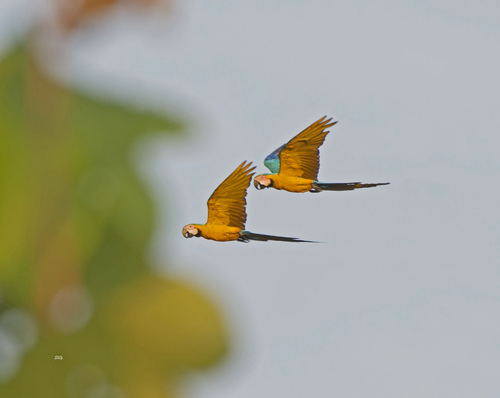
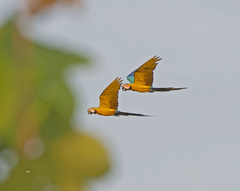
Can you see a Blue-and-yellow Macaw in Campo Grande?
Yes
About 80% of wildlife watchers report a Blue-and-yellow Macaw sighting in Campo Grande on a given day, based on 908 verified sightings from GBIF citizen-science data from 2019 to 2026. The best time is May and October (about 90%).
Can you see a Thrush-like Wren in Campo Grande?
Yes
About 60% of wildlife watchers report a Thrush-like Wren sighting in Campo Grande on a given day, based on 649 verified sightings from GBIF citizen-science data from 2019 to 2026. The best time is March (about 90%).
Can you see a Yellow-chevroned Parakeet in Campo Grande?
Yes
About 80% of wildlife watchers report a Yellow-chevroned Parakeet sighting in Campo Grande on a given day, based on 961 verified sightings from GBIF citizen-science data from 2019 to 2026. The best time is February–March, May–June, August and November–December (about 90%).
Where in Campo Grande is wildlife easiest to see?
Bosque da paz/carandá bosque
The spot where most wildlife watchers record their sightings is Bosque da paz/carandá bosque (110 bird species recorded), followed by Parque das Nações Indígenas and Campus da UFMS. See them on the map.
Is Campo Grande good for wildlife watching?
4.9 out of 5
On the Wallace's Line Score, which rates each city against other cities, Campo Grande gets 4.9/5: 9th of 380 cities worldwide and 4th in South America. 29 of its species are reported by about 40% or more of wildlife watchers on a given day.
Nearest Cities


Nearest Parks


Nearest Zoos & Centres


Sources: urban area GHSL Urban Centre Database R2024A, European Commission JRC (CC BY 4.0) · protected land WDPA, UNEP-WCMC & IUCN (via GHSL) · climate NASA POWER · wildlife GBIF.org citizen-science data