










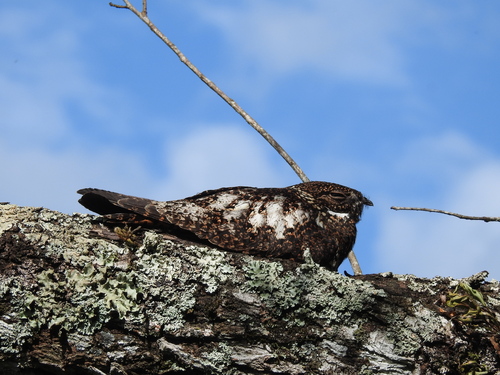


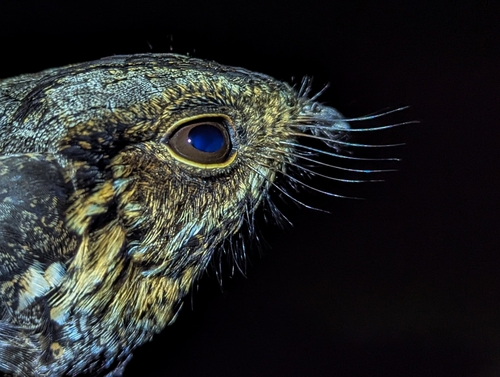


All 5 in 3 days here: ~40%
Iguaçu National Park
🇧🇷 Brazil
Paraná, Brazil 1068 spp. recorded
The Brazilian side of Iguaçu is a walkway through Atlantic forest with the falls on one side, and the animals have long since learned to use it. South American coatis are recorded on nineteen visits in twenty, black-horned capuchins on half.
-25.296° S 53.755° W
🦜 Nature

481 Species sighted
162,392 Verified sightings From 2019 to 2026
Oct Best month
⭐ Iconic Species
📊 Most Spotted
⭐ Iconic Species
📊 Most Spotted
⭐ Iconic Species
📊 Most Spotted
📊 Most Spotted
📊 Most Spotted
📊 Most Spotted
🌙 Most active after dark
+ 621 more species with insufficient data
Challenges you can complete here



All 3 in 3 days here: <5%
Recent sightings in Iguaçu National Park
LIVEiNaturalistSighting Calendar
How many species you'd see in a day
68Jan
66Feb
59Mar
67Apr
79May
78Jun
61Jul
74Aug
69Sep
86Oct
75Nov
67Dec
Sighting Zones
Warmer areas are where all species together are recorded most often.
-
El Puente Verde Reserva de Aves Argentinas
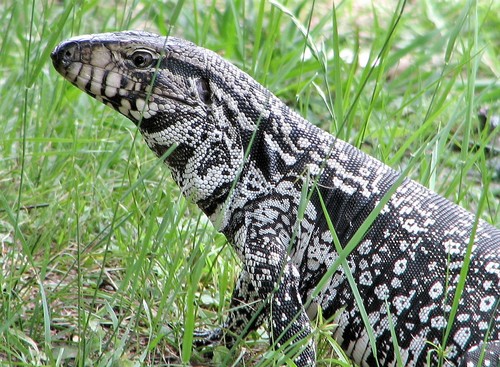
Daily sight. prob.vs avg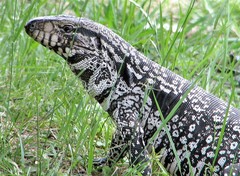 Argentine Black-and-white Tegu~80%+10%
 Great Kiskadee~60%-20%
 Red-rumped Cacique~60%≈
 Chicken Snake~50%+40%
 Tapeti~50%+40%
 Fuscous-blotched Snouted Tree Frog~50%+40%
 Tropical House Gecko~50%+30%
 Big-eared Opossum~50%+40%
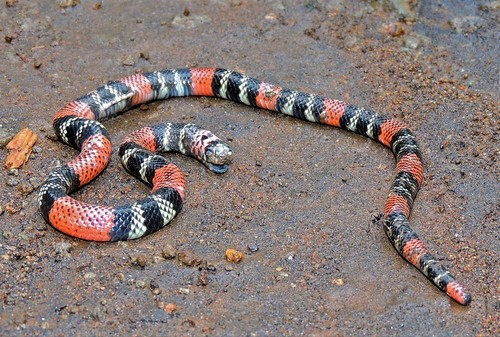
 Painted Coral Snake~50%+40%
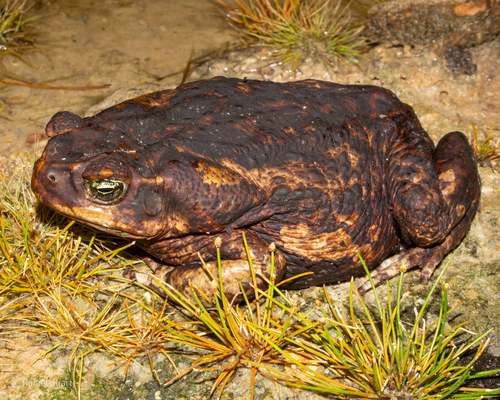
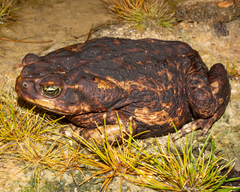 Cururu Toad~50%+40%
 Pale-breasted Thrush~50%-20%
 Southern House Wren~40%-10%
-
Área Cataratas
Daily sight. prob.vs avg South American Coati~90%+10%
 Western Collared Spiny Lizard~90%+10%
- Argentine Black-and-white Tegu~80%+10%
 Black Vulture~60%-10%
 Broad-snouted Caiman~50%+10%
 Plush-crested Jay~50%-20%
 Azara's Agouti~40%≈
- Great Kiskadee~40%-40%
 Great Dusky Swift~30%-10%
 Southern Lapwing~30%-20%
 Mono Cai~30%-10%
 Toco Toucan~30%-30%
-
Trilha do Poço Preto
Daily sight. prob.vs avg- Argentine Black-and-white Tegu~80%+10%
- Western Collared Spiny Lizard~70%≈
- Mono Cai~60%+10%
- Broad-snouted Caiman~60%+20%
- South American Coati~50%-30%
- Azara's Agouti~50%+10%
 Williams' South-American Side-necked Turtle~40%+20%
 Capybara~40%+20%
 Golden-crowned Warbler~40%-20%
- Great Kiskadee~40%-40%
- Pale-breasted Thrush~40%-30%
- Chicken Snake~30%+20%
-
Parque das Aves
Daily sight. prob.vs avg- Argentine Black-and-white Tegu~90%+20%
- Azara's Agouti~70%+30%
- Mono Cai~60%+20%
- Great Kiskadee~40%-30%
- South American Coati~40%-40%
- Western Collared Spiny Lizard~40%-40%
- Williams' South-American Side-necked Turtle~40%+10%
- Pale-breasted Thrush~40%-30%
 ocellated tree frog~40%+20%
 Eared Dove~30%-10%
 Nine-banded Armadillo~30%+20%
- Chicken Snake~30%+10%
🏕️ Experience
Essentials
Climate
Temp °C Rain mm
JanFebMarAprMayJunJulAugSepOctNovDec
0.0 Excellent
Wallace's Line Score
How good is this park for seeing wildlife? 🦜
Biodiversity
ExcellentHow rich is the wildlife?
4.7
Species by taxon
🦅 Birds 703
🐒 Mammals 168
🦎 Reptiles 129
🐸 Amphibians 68
1068 Total Species
828 Global average across 316 parks
45 Threatened 59 Endemic
🔭
Sighting
Very goodHow likely to see animals?
3.4
🎯
Top-12 Avg Probability
66% 📊
Coverage (212 species at ≥5% of 1068 in the inventory)
20% 🔀
Taxon variety in top 12 (9 bird, 2 reptile, 1 mammal)
54% 🔭
Species per 10 outings (distinct species a visitor would meet over 10 outings — effort held equal across parks)
154 🌟
Iconic-group species (≥15%) (every species from the 19 iconic groups — monkeys, cats, toucans, macaws, sloths, crocodilians… — not just the 4 highlighted above)
11 ⭐
High-prob species (>40%)
21 🏕️
Experience
Very goodHow easy and pleasant is the visit?
3.9
Climate Pleasant High
Entrance Paid Low
Tourism High Low
Trails Moderate Medium
World Heritage Yes Bonus
What visitors say
We stayed two nights at the campsite, and along with the aforementioned mammals and birds, we also saw plush-crested jays, red-rumped caciques, scaly-headed parakeets, pale-breasted thrushes and boat-billed flycatchers.
We got soaking wet, which is part of the fun. (We were told to bring a change of clothes and they handed out dry-bags to keep our stuff in, like my camera and our shoes and phones.) You'll also see a marauding band of fearless coatis having a feeding frenzy over a bag of potato chips (or something).
I had no idea that Iguaçu/Iguazu Falls straddled a border between two countries or that their name was spelled differently, depending on the side of the border.
We chose a private tour and it meant that in one day we were able to do the helicopter tour, explore Iguaçu Falls by foot, do a waterfall boat tour and also visit the Parque das Aves (Bird Park).
Before you go
What animals can you see in Iguaçu National Park?
1,068 species
Iguaçu National Park has 1,068 recorded vertebrate species. The ones wildlife watchers report most often on a given day are South American Coati (about 80%), Western Collared Spiny Lizard (about 80%), Great Kiskadee (about 80%), Plush-crested Jay (about 70%) and Argentine Black-and-white Tegu (about 70%). Among amphibians, the most-seen is ocellated tree frog (about 20%).
When is the best time to visit Iguaçu National Park for wildlife?
August and October–November
In those months the park's 12 most-seen species average about 70% on a given day, against about 60% in September and December–July.
Can you see a South American Coati in Iguaçu National Park?
Yes
About 80% of wildlife watchers report a South American Coati sighting in Iguaçu National Park on a given day, based on 874 verified sightings from GBIF citizen-science data from 2019 to 2026. The best time is January–April and July–August (about 90%).
Can you see a Toco Toucan in Iguaçu National Park?
Yes
About 60% of wildlife watchers report a Toco Toucan sighting in Iguaçu National Park on a given day, based on 3,035 verified sightings from GBIF citizen-science data from 2019 to 2026. The best time is February to November (about 60%).
Can you see a Great Dusky Swift in Iguaçu National Park?
Yes
About 40% of wildlife watchers report a Great Dusky Swift sighting in Iguaçu National Park on a given day, based on 2,386 verified sightings from GBIF citizen-science data from 2019 to 2026. The best time is October and November (about 60%).
Can you see a Mono Cai in Iguaçu National Park?
Yes
About 50% of wildlife watchers report a Mono Cai sighting in Iguaçu National Park on a given day, based on 200 verified sightings from GBIF citizen-science data from 2019 to 2026. The best time is November (about 60%).
Where in Iguaçu National Park is wildlife easiest to see?
Around El Puente Verde Reserva de Aves Argentinas
The richest sighting zone is around El Puente Verde Reserva de Aves Argentinas, followed by Área Cataratas and Trilha do Poço Preto, ranked by how many of the park's headline animals visitors can expect to see in each. See the zones on the map.
Is Iguaçu National Park good for wildlife watching?
3.8 out of 5
On the Wallace's Line Score, Iguaçu National Park rates 3.8/5: 136th of 316 parks worldwide and 20th in South America. 32 of its species are reported by about 40% or more of wildlife watchers on a given day.


