City
Dar es-Salaam
🇹🇿 Tanzania
Africa, Tanzania 312 spp. recorded
Dar es Salaam is the largest city and financial hub of Tanzania and capital of the Dar es Salaam Region. It is located on the Swahili coast. Dar es Salaam remains an important economic centre and one of the fastest-growing cities in the world. Wikipedia
6.796° S 39.175° E
🦜 Nature

312 Species sighted
4,902 Verified sightings From 2019 to 2026
Oct Best month
⭐ Iconic Species




📊 Most Spotted









📊 Most Spotted


LC
 Blue Monkey
Cercopithecus mitis

 Slender Mongoose
Galerella sanguinea

LC
 Four-toed Hedgehog
Atelerix albiventris

LC
 Small-eared Greater Galago
Otolemur garnettii

LC
 Hartebeest
Alcelaphus buselaphus

LC
 Common Dwarf Mongoose
Helogale parvula

LC
 Ochre Bush Squirrel
Paraxerus ochraceus
⭐ Iconic Species
📊 Most Spotted
⭐ Iconic Species
📊 Most Spotted



LC
 Nile Monitor
Varanus niloticus

LC
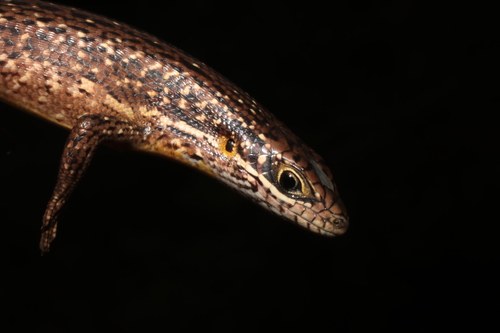
 Sudan Plated Lizard
Broadleysaurus major

LC
 Red-lipped Snake
Crotaphopeltis hotamboeia

LC
 Flathead Leaf-toed Gecko
Hemidactylus platycephalus

 Eastern Hinged-Back Tortoise
Kinixys zombensis

LC
 Cape Centipede-Eater
Aparallactus capensis

LC
Green Water Snake
Philothamnus hoplogaster

LC
Spotted Bush Snake
Philothamnus semivariegatus
📊 Most Spotted

LC
 Anchieta's Ridged Frog
Ptychadena anchietae

LC
 argus reed frog
Hyperolius argus

LC
Water Lily Reed Frog
Hyperolius pusillus

LC
Fornasini's Spiny Reed Frog
Afrixalus fornasini

LC
 African Common Toad
Sclerophrys gutturalis

LC
 Common Squeaker
Arthroleptis stenodactylus

LC
Delicate Spiny Reed Frog
Afrixalus delicatus

LC
Tinker Reed Frog
Hyperolius tuberilinguis

LC
Eastern puddle frog
Phrynobatrachus acridoides

LC
Red-Banded Rubber Frog
Phrynomantis bifasciatus
LC
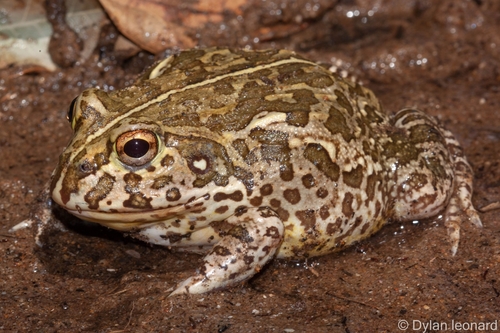
 Edible bullfrog
Pyxicephalus edulis

LC
Silvery Tree Frog
Leptopelis argenteus
📊 Most Spotted
🌙 Most active after dark

LC
Flathead Leaf-toed Gecko
Hemidactylus platycephalus
LC
argus reed frog
Hyperolius argus
LC
Water Lily Reed Frog
Hyperolius pusillus
LC
Fornasini's Spiny Reed Frog
Afrixalus fornasini
LC
Common Squeaker
Arthroleptis stenodactylus
LC
Delicate Spiny Reed Frog
Afrixalus delicatus
LC
Tinker Reed Frog
Hyperolius tuberilinguis
LC
Red-Banded Rubber Frog
Phrynomantis bifasciatus
LC
Edible bullfrog
Pyxicephalus edulis
Recent sightings in Dar es-Salaam
LIVEiNaturalistWhere to look
Warmer areas are where all species together are recorded most often.
-
University of Dar es Salaam
-
Julius Nyerere International Airport
Daily sight. prob.vs avg -
Dar es Salaam Harbour (IBA TZ021)
Daily sight. prob.vs avg







Sighting Calendar
How many species you'd see in a day
33Jan
23Feb
27Mar
27Apr
28May
32Jun
28Jul
31Aug
26Sep
33Oct
27Nov
25Dec
🏙️ City
Essentials
Green cover
High
Protected land
1%
Protected sea
—
Protected areas
4
areasWildlife spots
5
spotsZoos & centres
0
placesClimate
Tropical savanna
World Heritage
No
Climate
Temp °C Rain mm
JanFebMarAprMayJunJulAugSepOctNovDec
0.0 Excellent
Wallace's Line Score
How good is this city for seeing wildlife? 🦜
Biodiversity
ExcellentHow rich is the wildlife?
4.5
Species by taxon
🦅 Birds 615
🐒 Mammals 190
🦎 Reptiles 147
🐸 Amphibians 56
1008 Total Species
679 Global average across 380 cities
45 Threatened 2 Endemic
🔭
Sighting
Very goodHow likely to see animals?
4.3
🎯
Top-12 Avg Probability
57% 📊
Coverage (165 species at ≥5% of 1008 in the inventory)
16% 🔀
Taxon variety in top 12 (11 bird, 1 reptile)
20% 🌟
Iconic-group species (≥15%) (every species from the 19 iconic groups — monkeys, cats, toucans, macaws, sloths, crocodilians… — not just the 4 highlighted above)
7 ⭐
High-prob species (>40%)
17 🏕️
Experience
ExcellentHow easy and pleasant is the visit?
4.5
Climate Pleasant High
Green cover High High
Protected land & sea 1% land Medium
Protected areas 4 High
Wildlife spots 5 Medium
Zoos & centres 0 Low
What visitors say
Before you go
What animals can you see in Dar es-Salaam?
312 species
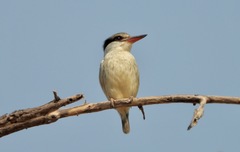
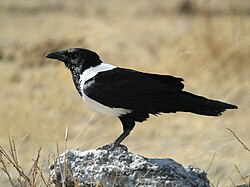
Dar es-Salaam's urban area has 312 recorded vertebrate species. The ones wildlife watchers report most often on a given day are House Crow (about 90%), Painted Dwarf Gecko (about 70%), House Sparrow (about 60%), Common Bulbul (about 60%) and African Palm-Swift (about 60%). Among mammals, the most-seen is Vervet Monkey (about 40%).
When is the best time to see wildlife in Dar es-Salaam?
January and May–November
In those months the city's 12 most-seen species average about 60% on a given day, against about 50% in February–April and December.
Can you see a Painted Dwarf Gecko in Dar es-Salaam?
Yes
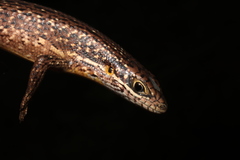
About 70% of wildlife watchers report a Painted Dwarf Gecko sighting in Dar es-Salaam on a given day, based on 50 verified sightings from GBIF citizen-science data from 2019 to 2026. The best time is January (about 90%).
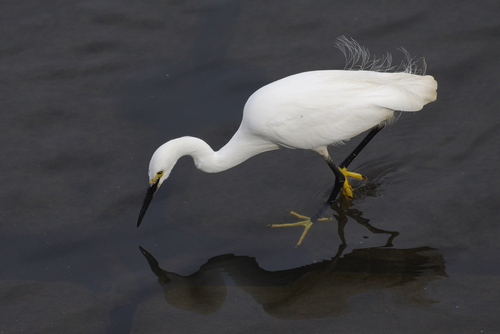
Can you see a Dimorphic Egret in Dar es-Salaam?
Yes
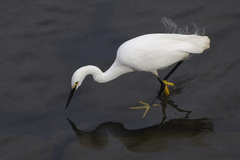
About 40% of wildlife watchers report a Dimorphic Egret sighting in Dar es-Salaam on a given day, based on 24 verified sightings from GBIF citizen-science data from 2019 to 2026. The best time is January and August–September (about 60%).
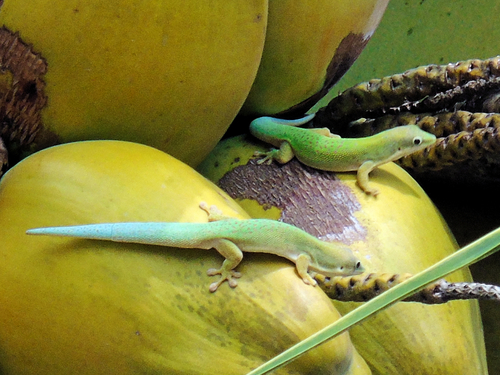
Can you see a Zanzibar Day Gecko in Dar es-Salaam?
Yes
About 40% of wildlife watchers report a Zanzibar Day Gecko sighting in Dar es-Salaam on a given day, based on 13 verified sightings from GBIF citizen-science data from 2019 to 2026. The best time is February and October (about 60%).
Where in Dar es-Salaam is wildlife easiest to see?
University of Dar es Salaam
The spot where most wildlife watchers record their sightings is University of Dar es Salaam (127 bird species recorded), followed by Julius Nyerere International Airport and Kunduchi Salt Flats. See them on the map.
Is Dar es-Salaam good for wildlife watching?
4.3 out of 5
On the Wallace's Line Score, which rates each city against other cities, Dar es-Salaam gets 4.3/5: 126th of 380 cities worldwide and 14th in Africa. 22 of its species are reported by about 40% or more of wildlife watchers on a given day.
Nearest Cities


Nearest Parks


Nearest Zoos & Centres


Sources: urban area GHSL Urban Centre Database R2024A, European Commission JRC (CC BY 4.0) · protected land WDPA, UNEP-WCMC & IUCN (via GHSL) · climate NASA POWER · wildlife GBIF.org citizen-science data