










All 5 in 3 days here: <5%
City
Lilongwe
🇲🇼 Malawi
Africa, Malawi 192 spp. recorded
Lilongwe is the capital and largest city of Malawi. The city is located in the central region of Malawi, in the district of the same name, near the borders with Mozambique and Zambia, and it is an important economic and transportation hub for central Malawi. It is named after the Lilongwe River. Wikipedia
13.960° S 33.788° E
🦜 Nature

192 Species sighted
937 Verified sightings From 2019 to 2026
Mar Best month
⭐ Iconic Species
📊 Most Spotted
⭐ Iconic Species
📊 Most Spotted

LC
 Spotted Hyena
Crocuta crocuta

LC
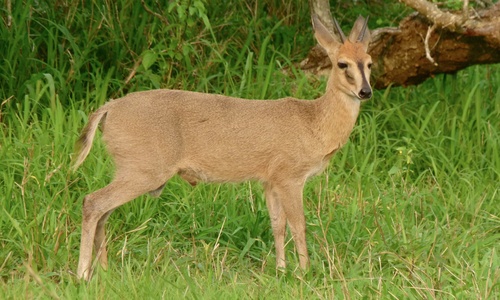
 Northern Bushbuck
Tragelaphus scriptus
LC
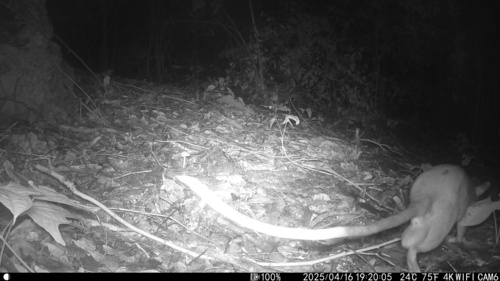
 Southern Giant Pouched Rat
Cricetomys ansorgei

 Slender Mongoose
Galerella sanguinea
📊 Most Spotted
⭐ Iconic Species
📊 Most Spotted
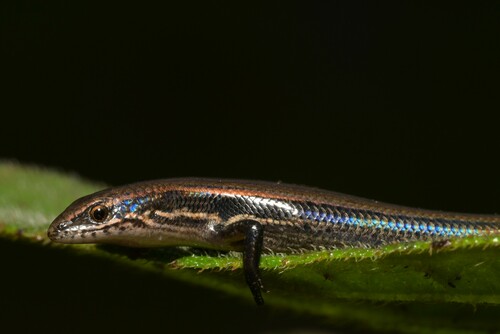
LC
 Wahlberg's Snake-eyed Skink
Panaspis wahlbergii

LC
 Red-lipped Snake
Crotaphopeltis hotamboeia

LC
 Mozambique Spitting Cobra
Naja mossambica

LC
 Nile Monitor
Varanus niloticus

LC
 Brown House Snake
Boaedon capensis
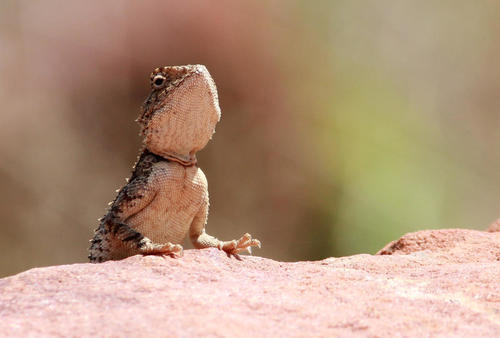
LC
 Tropical Spiny Agama
Agama armata

LC
 Mole Viper
Atractaspis bibronii

LC
Boomslang
Dispholidus typus

LC
Cape Wolf Snake
Lycophidion capense

LC
Cape Dwarf Gecko
Lygodactylus capensis
📊 Most Spotted

LC
 Mozambique Rain Frog
Breviceps mossambicus

LC
 Common Squeaker
Arthroleptis stenodactylus
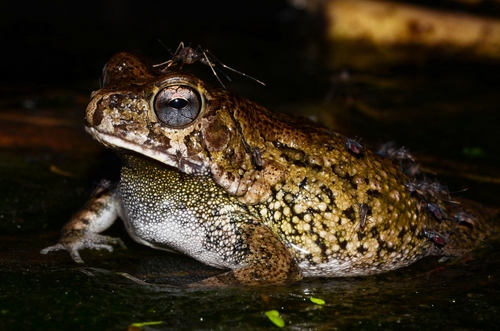
LC
 Eastern Flat-backed Toad
Sclerophrys pusilla
📊 Most Spotted
🌙 Most active after dark
LC
Mozambique Rain Frog
Breviceps mossambicus
LC
Common Squeaker
Arthroleptis stenodactylus
LC
Brown House Snake
Boaedon capensis

LC
 African Scops-Owl
Otus senegalensis
LC
Mole Viper
Atractaspis bibronii
LC
Eastern Flat-backed Toad
Sclerophrys pusilla
LC
Southern Giant Pouched Rat
Cricetomys ansorgei

 White-Backed Night-Heron
Gorsachius leuconotus

LC
 Spotted Eagle-Owl
Bubo africanus

LC
 Pennant-winged Nightjar
Caprimulgus vexillarius
Challenges you can complete here
Recent sightings in Lilongwe
LIVEiNaturalistWhere to look
Warmer areas are where all species together are recorded most often.
-
Lilongwe Wildlife Centre
-
Lilongwe Wildlife Sancuary



Sighting Calendar
How many species you'd see in a day
9.4Jan
10Feb
13Mar
11Apr
9.4May
6.8Jun
11Jul
11Aug
11Sep
2.5Oct
10Nov
11Dec
🏙️ City
Essentials
Green cover
Low
Protected land
—
Protected sea
—
Protected areas
—
Wildlife spots
2
spotsZoos & centres
1
placesClimate
Humid subtropical
World Heritage
No
Climate
Temp °C Rain mm
JanFebMarAprMayJunJulAugSepOctNovDec
Zoos & rescue centres

0.0 Excellent
Wallace's Line Score
How good is this city for seeing wildlife? 🦜
Biodiversity
Very goodHow rich is the wildlife?
4.3
Species by taxon
🦅 Birds 597
🐒 Mammals 167
🦎 Reptiles 87
🐸 Amphibians 52
903 Total Species
679 Global average across 380 cities
23 Threatened 0 Endemic
🔭
Sighting
GoodHow likely to see animals?
3.8
🎯
Top-12 Avg Probability
46% 📊
Coverage (83 species at ≥5% of 903 in the inventory)
9% 🔀
Taxon variety in top 12 (7 reptile, 2 mammal, 2 bird, 1 amphibian)
80% 🌟
Iconic-group species (≥15%) (every species from the 19 iconic groups — monkeys, cats, toucans, macaws, sloths, crocodilians… — not just the 4 highlighted above)
8 ⭐
High-prob species (>40%)
9 🏕️
Experience
GoodHow easy and pleasant is the visit?
3.3
Climate Pleasant High
Green cover Low Low
Protected land & sea — Low
Protected areas 0 Low
Wildlife spots 2 Medium
Zoos & centres 1 Medium
What visitors say
Before you go
What animals can you see in Lilongwe?
192 species
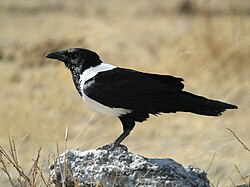
Lilongwe's urban area has 192 recorded vertebrate species. The ones wildlife watchers report most often on a given day are Vervet Monkey (about 80%), Bush Duiker (about 50%), Nile Crocodile (about 50%), African Striped Skink (about 50%) and African Common Toad (about 50%). Among birds, the most-seen is Pied Crow (about 50%).
When is the best time to see wildlife in Lilongwe?
July–September and November–April
In those months the city's 12 most-seen species average about 40% on a given day, against about 30% in October.
Can you see a Vervet Monkey in Lilongwe?
Yes
About 80% of wildlife watchers report a Vervet Monkey sighting in Lilongwe on a given day, based on 18 verified sightings from GBIF citizen-science data from 2019 to 2026. The best time is January, March, July–September and November (about 80%).
Can you see a Nile Crocodile in Lilongwe?
Yes
About 50% of wildlife watchers report a Nile Crocodile sighting in Lilongwe on a given day, based on 6 verified sightings from GBIF citizen-science data from 2019 to 2026. The best time is August and September (about 70%).
Can you see a Bill's tree agama in Lilongwe?
Yes
About 50% of wildlife watchers report a Bill's tree agama sighting in Lilongwe on a given day, based on 6 verified sightings from GBIF citizen-science data from 2019 to 2026. The best time is March and April (about 60%).
Where in Lilongwe is wildlife easiest to see?
Lilongwe Wildlife Centre
The spot where most wildlife watchers record their sightings is Lilongwe Wildlife Centre (71 bird species recorded), followed by Lilongwe Wildlife Sancuary. See them on the map.
Is Lilongwe good for wildlife watching?
4.0 out of 5
On the Wallace's Line Score, which rates each city against other cities, Lilongwe gets 4.0/5: 241st of 380 cities worldwide and 26th in Africa. 9 of its species are reported by about 40% or more of wildlife watchers on a given day.
Nearest Cities


Nearest Parks


Nearest Zoos & Centres


Sources: urban area GHSL Urban Centre Database R2024A, European Commission JRC (CC BY 4.0) · protected land WDPA, UNEP-WCMC & IUCN (via GHSL) · climate NASA POWER · wildlife GBIF.org citizen-science data