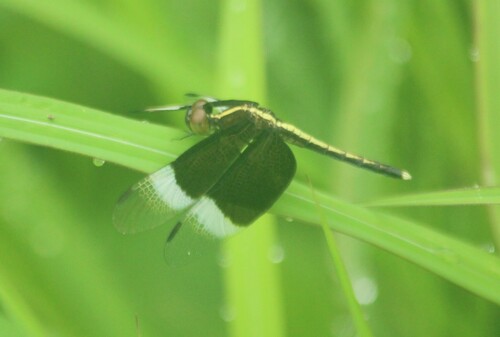
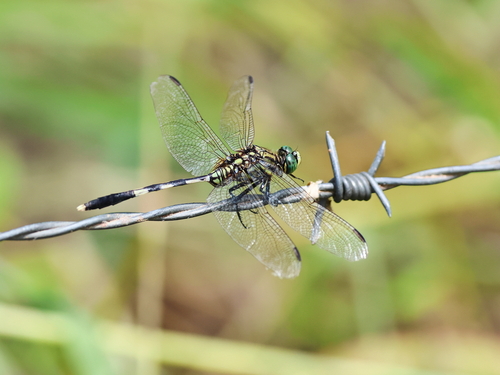
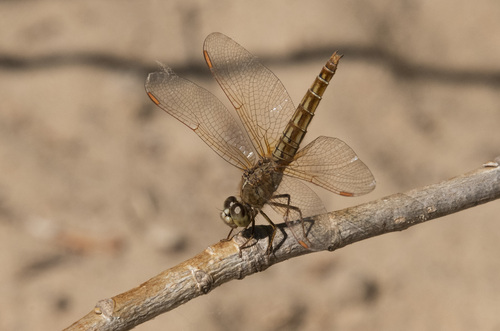
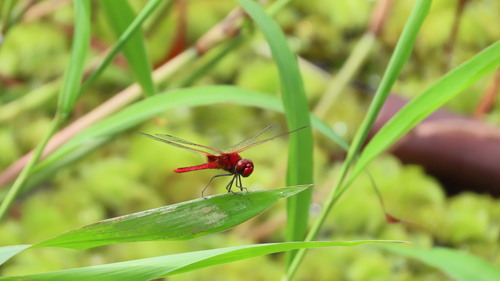
Oriental Blue Dasher

Oriental Blue Dasher

Brachydiplax chalybea

Daily sighting probability ~30% · Possible
at Dhaka

In 3 days ~70% in a week ~90%

27 Verified sightings at Dhaka
72 In all 5 parks From 2019 to 2026
August Best month
☀️ Diurnal When it's spotted

About the Oriental Blue Dasher

Brachydiplax chalybea is a species of dragonfly in the family Libellulidae. It is known by the common names yellow-patched lieutenant, rufous-backed marsh hawk, and blue dasher. It is native to much of eastern Asia, from India to Japan to Indonesia.

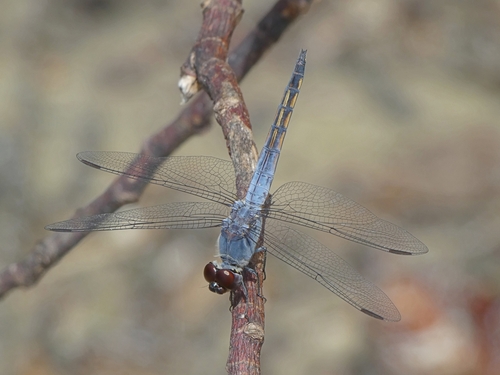
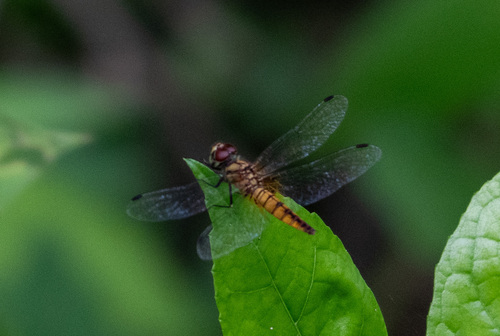
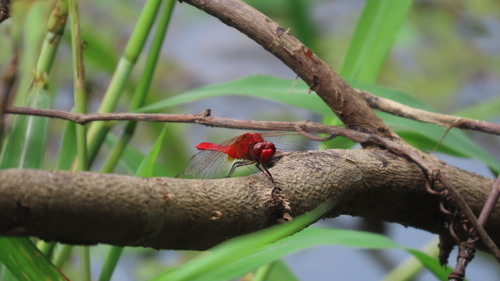
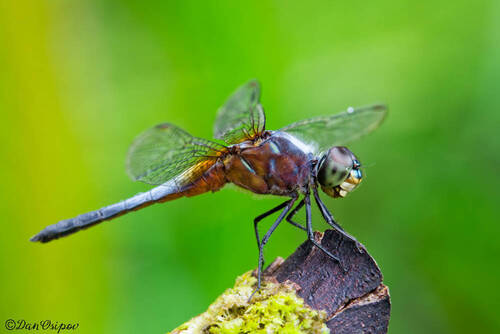
The male of the species is 33 to 35 millimeters long and has a hindwing 24 to 27 millimeters long. It is powder blue with light brown sides and a dark tip to the abdomen. Wings are hyaline, with tinted burnt-brown base, fading to amber. The female is brownish yellow in color with darker markings along the dorsal abdomen. Its wings lack the yellow tinge. This species can be easily distinguished from other species in this genus by its larger size, characteristic colour of the thorax, and bases of wings.

This species is found in many types of wet habitat, including brackish and disturbed waters. The males are seen more often, due to their territorial behavior. Females oviposit by "flicking" an egg mass out of the water into rocks and vegetation nearby.

Brachydiplax chalybea of Borneo Island Data related to Brachydiplax chalybea at Wikispecies Media related to Brachydiplax... Wikipedia →
Global Distribution

Parks Where Found

# Park Country Daily sighting probability
1 Sundarbans National Park 🇮🇳 India
~40%
2 Sepilok 🇲🇾 Malaysia
~20%
3 Kinabatangan Wildlife Sanctuary 🇲🇾 Malaysia
~20%
4 Khao Sok National Park 🇹🇭 Thailand
~10%
5 Kaeng Krachan National Park 🇹🇭 Thailand
~10%

Cities Where Found

# City Country Daily sighting probability
1 Dhaka 🇧🇩 Bangladesh
~30%
2 Kochi 🇮🇳 India
~30%
3 Thrissur 🇮🇳 India
~30%
4 Ponnani 🇮🇳 India
~20%
5 Kolkata 🇮🇳 India
~20%
6 Kozhikode 🇮🇳 India
~20%
7 Bangkok 🇹🇭 Thailand
~20%
8 Yogyakarta 🇮🇩 Indonesia
~20%
9 Thiruvananthapuram 🇮🇳 India
~20%
10 Johor Bahru 🇲🇾 Malaysia
~20%

Before you go

What are the chances of seeing an Oriental Blue Dasher in Dhaka?

Possible

About 30% of wildlife watchers report an Oriental Blue Dasher sighting in Dhaka on a given day, based on 27 verified sightings from GBIF citizen-science data. It is the 12th most-seen of the 92 insects we can rate there. Over three days the chance rises to about 70%, and over a week to about 90%, if each day is a fresh chance.

When is the best time to see an Oriental Blue Dasher in Dhaka?

August

In that month about 60% of wildlife watchers report an Oriental Blue Dasher in Dhaka on a given day, against under 5% in November to February, the lowest months. That is one of Dhaka's wettest months, with about 360 mm of rain against 10 mm in January.

What time of day is best to see an Oriental Blue Dasher?

Between 2 and 5 pm

Across all the parks we cover, that three-hour window holds the most Oriental Blue Dasher sightings with a recorded time, and about 8 in 10 of them come between 6 am and 6 pm: it is a daytime animal.

Is Dhaka the best place to see an Oriental Blue Dasher?

Yes

Of the 33 cities where we can rate Oriental Blue Dasher sightings, Dhaka has the highest daily chance: about 30%. Next come Kochi (India, about 30%) and Thrissur (India, about 30%).

Which relatives of the Oriental Blue Dasher live in Dhaka?

Same family: Libellulidae

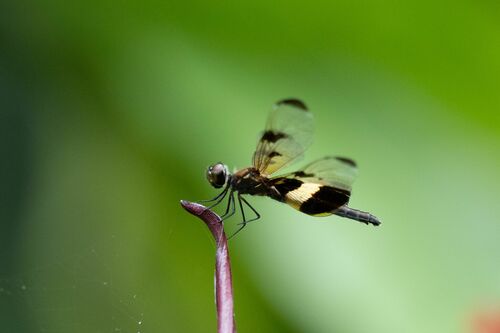
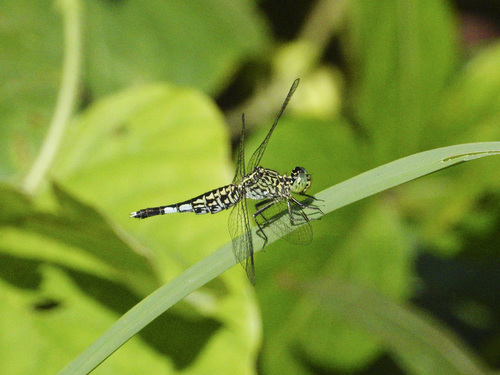
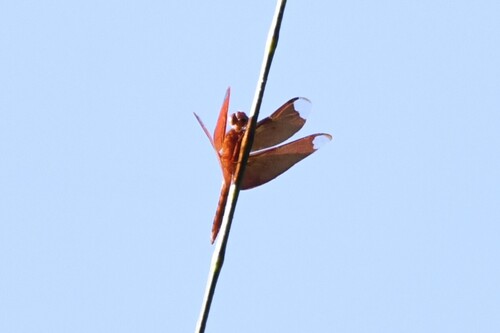
The closest relatives of the Oriental Blue Dasher that you can see in Dhaka (family Libellulidae, Skimmers) are Pied Paddy Skimmer (about 40%), Scarlet Skimmer (about 40%) and Slender Skimmer (about 30%), with each one's daily chance of a sighting.

Where does the Oriental Blue Dasher sighting chance come from?

GBIF citizen-science records

It is estimated from how often the Oriental Blue Dasher is recorded against all the insects logged in Dhaka (27 verified sightings), calibrated against known sighting rates. Figures are rounded to the nearest 10% because citizen-science data supports honest approximations, not decimals, and months with records from fewer than five people show "—". How it works.

← Back to Dhaka