Sundarbans National Park
🇮🇳 India
Indian Subcontinent, India 780 spp. recorded
Sundarbans National Park is a massive mangrove forest situated in the delta region of the Indian subcontinent, where vast tidal waterways divide dense thickets of salt-tolerant trees. Unlike traditional dryland reserves, this wetland labyrinth floods and drains with the ocean tides, creating an ever-shifting coastal maze of mudflats and branching channels.
21.955° N 88.866° E
🦜 Nature

264 Species sighted
51,153 Verified sightings From 2019 to 2026
Jul Best month
⭐ Iconic Species


📊 Most Spotted





⭐ Iconic Species
📊 Most Spotted


⭐ Iconic Species
📊 Most Spotted


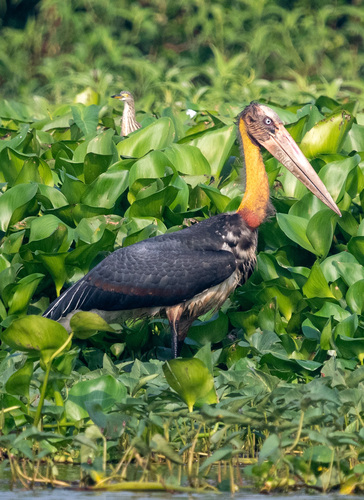


⭐ Iconic Species
📊 Most Spotted


📊 Most Spotted
📊 Most Spotted
⭐ Iconic Species
🌙 Most active after dark


+ 589 more species with insufficient data
Recent sightings in Sundarbans National Park
LIVEiNaturalistSighting Calendar
How many species you'd see in a day
30Jan
36Feb
36Mar
40Apr
7.5May
—
No data
Jun54Jul
36Aug
34Sep
30Oct
35Nov
33Dec
Sighting Zones
Warmer areas are where all species together are recorded most often.
-
Sudhanyakhali Watch Tower
-
Sundarban Jungle Camp
-
Gosaba, West Bengal, IN (21.99, 88.8)
Daily sight. prob.vs avg


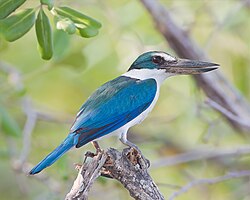






🏕️ Experience
Essentials
Climate
Temp °C Rain mm
JanFebMarAprMayJunJulAugSepOctNovDec
0.0 Excellent
Wallace's Line Score
How good is this park for seeing wildlife? 🦜
Biodiversity
Very goodHow rich is the wildlife?
4.5
Species by taxon
🦅 Birds 527
🐒 Mammals 107
🦎 Reptiles 124
🐸 Amphibians 22
780 Total Species
828 Global average across 316 parks
59 Threatened 5 Endemic
🔭
Sighting
ExcellentHow likely to see animals?
4.2
🎯
Top-12 Avg Probability
72% 📊
Coverage (134 species at ≥5% of 780 in the inventory)
17% 🔀
Taxon variety in top 12 (8 bird, 2 reptile, 2 mammal)
67% 🔭
Species per 10 outings (distinct species a visitor would meet over 10 outings — effort held equal across parks)
105 🌟
Iconic-group species (≥15%) (every species from the 19 iconic groups — monkeys, cats, toucans, macaws, sloths, crocodilians… — not just the 4 highlighted above)
13 ⭐
High-prob species (>40%)
38 🏕️
Experience
ExcellentHow easy and pleasant is the visit?
4.7
Climate Mixed Medium
Entrance Paid Low
Tourism Low High
Trails Easy High
World Heritage Yes Bonus
What visitors say
The many shades of nature That’s the mouth of the estuary emptying itself into the Bay of Bengal While we did not spot a tiger (we missed it by a whisker), we were all awestruck by nature’s beauty and also the extent to which life goes to adapt itself to a particular environment.
The birds were far away, but we did see collared kingfishers (hadn’t seen those before), night herons, white-throated kingfishers (state bird of West Bengal), and others.
As the sun light diminished,we could sight spotted deers, Eurasian Curlew,Sand Pipers, Greater egrets,Ospreys, Monitor lizard basking in the sun totally camouflaged, Brahminy Kite, Eurasian collared dove, and Perigrene falcons engaged in hunting.
Eager for a raw and immersive experience, I chose to stay amidst the thick forests, longing to hear the symphony of crickets, the calls of exotic birds, and perhaps even catch a glimpse of the majestic tiger.
Before you go
What animals can you see in Sundarbans National Park?
780 species
Sundarbans National Park has 780 recorded vertebrate species. The ones wildlife watchers report most often on a given day are Collared Kingfisher (about 80%), Saltwater Crocodile (about 80%), Axis Deer (about 80%), Common Water Monitor (about 80%) and Common Sandpiper (about 80%).
When is the best time to visit Sundarbans National Park for wildlife?
July and September
In those months the park's 12 most-seen species average about 80% on a given day, against about 60% in October. Those are among Sundarbans National Park's wettest months, with about 400 mm of rain a month against 15 mm in January.
Can you see a Tiger in Sundarbans National Park?
Yes
About 50% of wildlife watchers report a Tiger sighting in Sundarbans National Park on a given day, based on 20 verified sightings from GBIF citizen-science data from 2019 to 2026. The best time is July (about 70%).
Can you see a Saltwater Crocodile in Sundarbans National Park?
Yes
About 80% of wildlife watchers report a Saltwater Crocodile sighting in Sundarbans National Park on a given day, based on 43 verified sightings from GBIF citizen-science data from 2019 to 2026. The best time is January (about 90%).
Can you see a Collared Kingfisher in Sundarbans National Park?
Yes
About 80% of wildlife watchers report a Collared Kingfisher sighting in Sundarbans National Park on a given day, based on 2,593 verified sightings from GBIF citizen-science data from 2019 to 2026. The best time is July (over 90%).
Where in Sundarbans National Park is wildlife easiest to see?
Around Dobanki Camp
The richest sighting zone is around Dobanki Camp, followed by Sudhanyakhali Watch Tower and Sundarban Jungle Camp, ranked by how many of the park's headline animals visitors can expect to see in each. See the zones on the map.
Is Sundarbans National Park good for wildlife watching?
4.3 out of 5
On the Wallace's Line Score, Sundarbans National Park rates 4.3/5: 82nd of 316 parks worldwide and 14th in Asia. 44 of its species are reported by about 40% or more of wildlife watchers on a given day.


