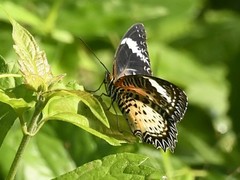
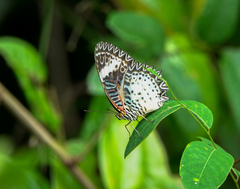
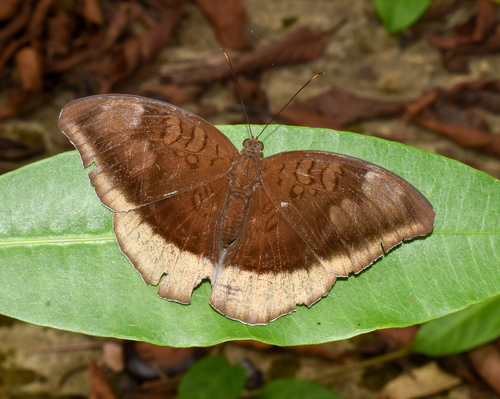
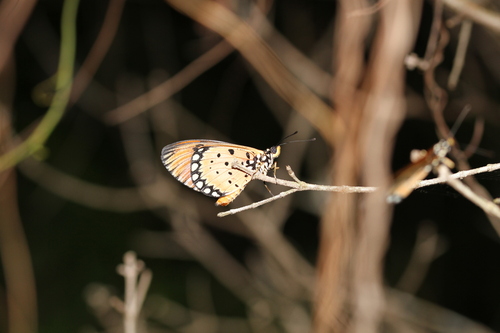
Leopard Lacewing Butterfly

Leopard Lacewing Butterfly

Cethosia cyane

Daily sighting probability ~20% · Possible
at Guwahati

In 3 days ~40% in a week ~70%

6 Verified sightings at Guwahati
68 In all 5 parks From 2019 to 2026
December Best month
☀️ Diurnal When it's spotted

About the Leopard Lacewing Butterfly

Cethosia cyane, the leopard lacewing, is a species of heliconiine butterfly found from India to southern China (southern Yunnan), and Indochina. Its range has expanded in the last few decades, and its arrival in the southern part of the Malay Peninsula, including Singapore, is relatively recent.

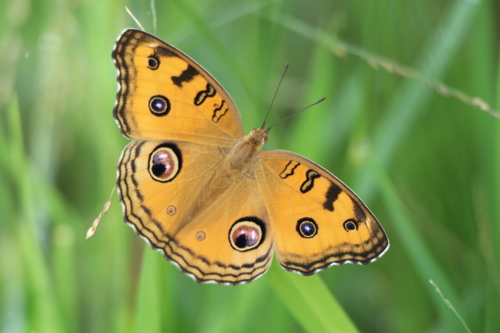
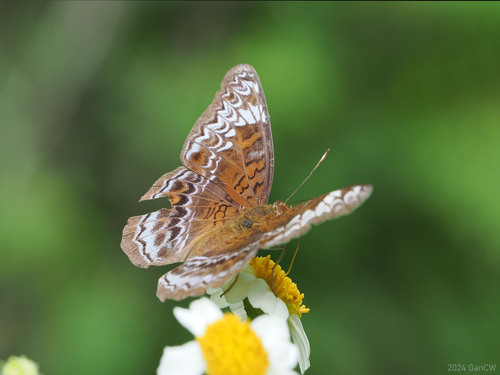
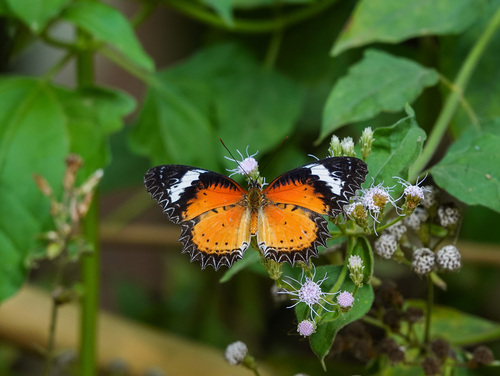
Upperside tawny, in fresh specimens a rich reddish tawny. Forewing: anterior and apical two-thirds black, the margin of this colour waved and irregular, following a line dividing the cell longitudinally and circling round to near the posterior angle; a short, broad, oblique, white bar beyond apex of cell, the veins crossing it and a spot in interspaces 3 and 4 black; a transverse indistinct row of small spots and a terminal series of V-shaped lunules white. Hindwing: three or four spots just beyond apex of cell, a subterminal row of spots and the termen broadly black, the last with a series of white lunules as on the forewing. Underside variegated with red, white, pale blue, ochraceous and black; the terminal margins of both wings broadly black with white lunules as on the upperside; in the middle of each lunule a short white streak from the margin; cilia alternately... Wikipedia →

Global Distribution

Parks Where Found

# Park Country Daily sighting probability
1 Sundarbans National Park 🇮🇳 India
~50%
2 Namdapha National Park 🇮🇳 India
~40%
3 Cuc Phuong National Park 🇻🇳 Vietnam
~30%
4 Cat Tien National Park 🇻🇳 Vietnam
~10%
5 Kaeng Krachan National Park 🇹🇭 Thailand
~10%

Cities Where Found

# City Country Daily sighting probability
1 Ho Chi Minh City 🇻🇳 Vietnam
~40%
2 Đà Nẵng 🇻🇳 Vietnam
~30%
3 Chattogram 🇧🇩 Bangladesh
~20%
4 Guwahati 🇮🇳 India
~20%
5 Bangkok 🇹🇭 Thailand
~10%
6 Singapore 🇸🇬 Singapore
<5%

Before you go

What are the chances of seeing a Leopard Lacewing Butterfly in Guwahati?

Possible

About 20% of wildlife watchers report a Leopard Lacewing Butterfly sighting in Guwahati on a given day, based on 6 verified sightings from GBIF citizen-science data. It is the 50th most-seen of the 77 insects we can rate there. Over three days the chance rises to about 40%, and over a week to about 70%, if each day is a fresh chance.

When is the best time to see a Leopard Lacewing Butterfly in Guwahati?

February–March, September and December

In those months about 30% of wildlife watchers report a Leopard Lacewing Butterfly in Guwahati on a given day, against under 5% in January, May–August and October–November, the lowest months. Those are among Guwahati's driest months, with about 80 mm of rain a month against 370 mm in June.

What time of day is best to see a Leopard Lacewing Butterfly?

Between 9 am and noon

Across all the parks we cover, that three-hour window holds the most Leopard Lacewing Butterfly sightings with a recorded time, and about 9 in 10 of them come between 6 am and 6 pm: it is a daytime animal.

Is Guwahati the best place to see a Leopard Lacewing Butterfly?

4th of 6

Of the 6 cities where we can rate Leopard Lacewing Butterfly sightings, Guwahati ranks 4th at about 20%. The best odds are in Ho Chi Minh City (Vietnam, about 40%), Đà Nẵng (Vietnam, about 30%) and Chattogram (Bangladesh, about 20%).

Which relatives of the Leopard Lacewing Butterfly live in Guwahati?

Same family: Nymphalidae

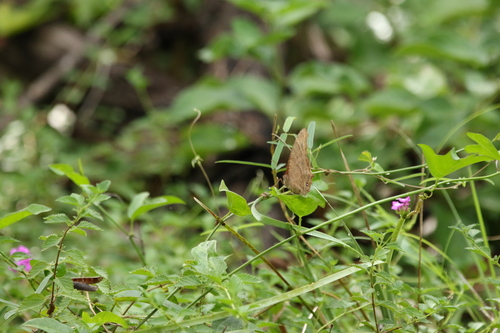
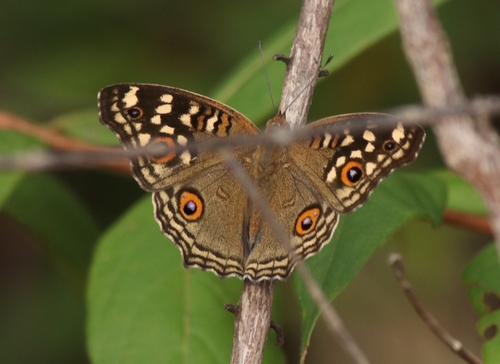
The closest relatives of the Leopard Lacewing Butterfly that you can see in Guwahati (family Nymphalidae, Brush-footed Butterflies) are Common Evening Brown (about 40%), Lemon Pansy (about 30%) and Peacock Pansy (about 30%), with each one's daily chance of a sighting.

Where does the Leopard Lacewing Butterfly sighting chance come from?

GBIF citizen-science records

It is estimated from how often the Leopard Lacewing Butterfly is recorded against all the insects logged in Guwahati (6 verified sightings), calibrated against known sighting rates. Figures are rounded to the nearest 10% because citizen-science data supports honest approximations, not decimals, and months with records from fewer than five people show "—". How it works.

← Back to Guwahati