Namdapha National Park
🇮🇳 India
Indian Subcontinent, India 1286 spp. recorded
Namdapha National Park is a remote temperate forest reserve nestled in the far eastern corner of India, where steep mountain ridges plunge into dense river valleys. This wild sanctuary stands apart for its sheer altitudinal range, creating a continuous green mantle from tropical growth to alpine ice.
27.550° N 96.609° E
🦜 Nature

407 Species sighted
49,718 Verified sightings From 2019 to 2026
Oct Best month
⭐ Iconic Species


📊 Most Spotted




⭐ Iconic Species
📊 Most Spotted


📊 Most Spotted
📊 Most Spotted
📊 Most Spotted
📊 Most Spotted
⭐ Iconic Species
🌙 Most active after dark


+ 982 more species with insufficient data
Recent sightings in Namdapha National Park
LIVEiNaturalistSighting Calendar
How many species you'd see in a day
57Jan
44Feb
52Mar
56Apr
49May
—
No data
Jun—
No data
Jul—
No data
Aug11Sep
70Oct
62Nov
54Dec
Sighting Zones
Warmer areas are where all species together are recorded most often.
-
Deban
Daily sight. prob.vs avg


🏕️ Experience
Essentials
Entrance
Paid
Tourism
Low
Typical stay
4+
daysTrails
Hard
World Heritage
No
Climate
Temp °C Rain mm
JanFebMarAprMayJunJulAugSepOctNovDec
0.0 Excellent
Wallace's Line Score
How good is this park for seeing wildlife? 🦜
Biodiversity
ExcellentHow rich is the wildlife?
5.0
Species by taxon
🦅 Birds 927
🐒 Mammals 199
🦎 Reptiles 119
🐸 Amphibians 41
1286 Total Species
828 Global average across 316 parks
76 Threatened 92 Endemic
🔭
Sighting
Very goodHow likely to see animals?
3.4
🎯
Top-12 Avg Probability
55% 📊
Coverage (204 species at ≥5% of 1286 in the inventory)
16% 🔀
Taxon variety in top 12 (10 bird, 2 mammal)
37% 🔭
Species per 10 outings (distinct species a visitor would meet over 10 outings — effort held equal across parks)
160 🌟
Iconic-group species (≥15%) (every species from the 19 iconic groups — monkeys, cats, toucans, macaws, sloths, crocodilians… — not just the 4 highlighted above)
18 ⭐
High-prob species (>40%)
22 🏕️
Experience
GoodHow easy and pleasant is the visit?
3.3
Climate Harsh Low
Entrance Paid Low
Tourism Low High
Trails Hard Low
World Heritage No —
What visitors say
The previous Ornis trip had seen White-bellied Heron from here, hence our efforts, but if the stork and osprey were anything to go by views would have been hardly worth having.
A little further along the road, at a known spot, we tried and succeeded in finding the Austen’s Brown Hornbill, although they were always distant and never showed well.
At one point we just stopped and stood still, and my guide said, “Suniyega, yeh jungle ka music hai.” That moment itself made all the travel worth it.¶ Lot of people ask, “Did you see tiger?” No yaar, this isn’t Ranthambore safari.
“If the animal sighted during our last expedition is established as the Namdapha flying squirrel, it will be a powerful flagship for conservation for both the tiger reserve and other wildlife species found here,” Dr.
Before you go
What animals can you see in Namdapha National Park?
1,286 species
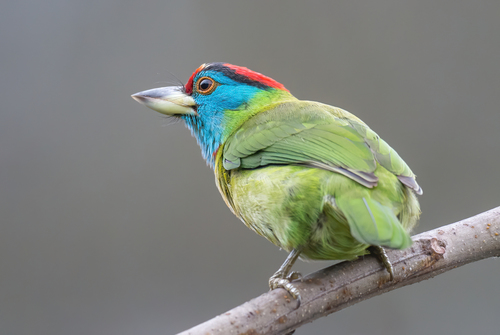
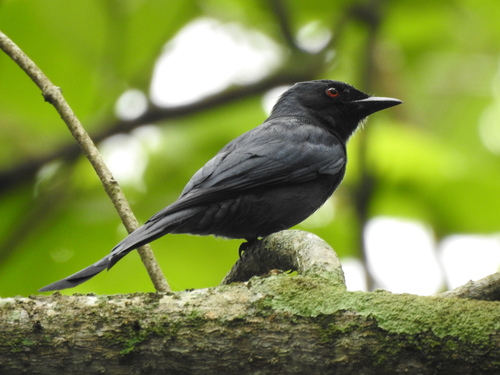
Namdapha National Park has 1,286 recorded vertebrate species. The ones wildlife watchers report most often on a given day are Ashy-fronted Bearded Bulbul (about 70%), Blue-throated Barbet (about 60%), Black Giant Squirrel (about 60%), Streaked Spiderhunter (about 60%) and Bronzed Drongo (about 50%).
When is the best time to visit Namdapha National Park for wildlife?
March and December–January
In those months the park's 12 most-seen species average about 60% on a given day, against about 40% in October and November. Those are among Namdapha National Park's driest months, with about 60 mm of rain a month against 660 mm in July.
Can you see a Black Giant Squirrel in Namdapha National Park?
Yes
About 60% of wildlife watchers report a Black Giant Squirrel sighting in Namdapha National Park on a given day, based on 23 verified sightings from GBIF citizen-science data from 2019 to 2026. The best time is January–February and April (about 70%).
Can you see a Red Giant Flying Squirrel in Namdapha National Park?
Yes
About 40% of wildlife watchers report a Red Giant Flying Squirrel sighting in Namdapha National Park on a given day, based on 6 verified sightings from GBIF citizen-science data from 2019 to 2026. The best time is April (about 60%).
Where in Namdapha National Park is wildlife easiest to see?
Around Haldibari Camp
The richest sighting zone is around Haldibari Camp, followed by Deban, ranked by how many of the park's headline animals visitors can expect to see in each. See the zones on the map.
Is Namdapha National Park good for wildlife watching?
3.9 out of 5
On the Wallace's Line Score, Namdapha National Park rates 3.9/5: 131st of 316 parks worldwide and 22nd in Asia. 32 of its species are reported by about 40% or more of wildlife watchers on a given day.


