Common Asparagus Beetle

Common Asparagus Beetle

Crioceris asparagi

Daily sighting probability ~10% · With luck
at Hamburg

In 3 days ~20% in a week ~40%

21 Verified sightings at Hamburg
6 In 1 park From 2019 to 2026
June Best month
☀️ Diurnal When it's spotted

About the Common Asparagus Beetle

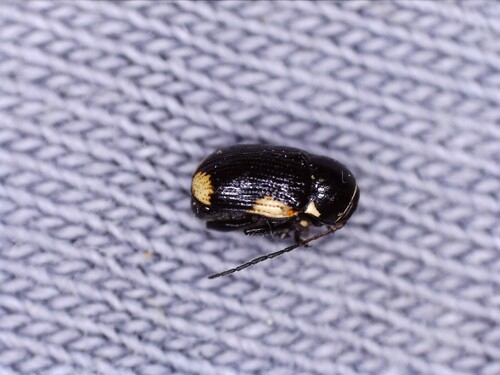
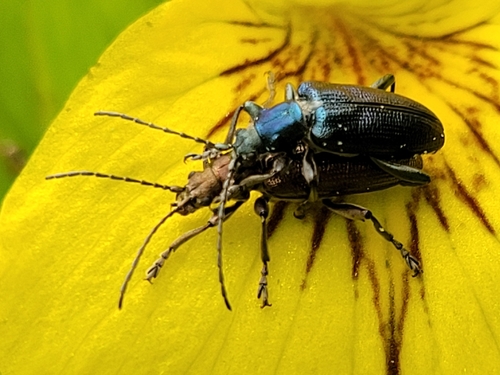
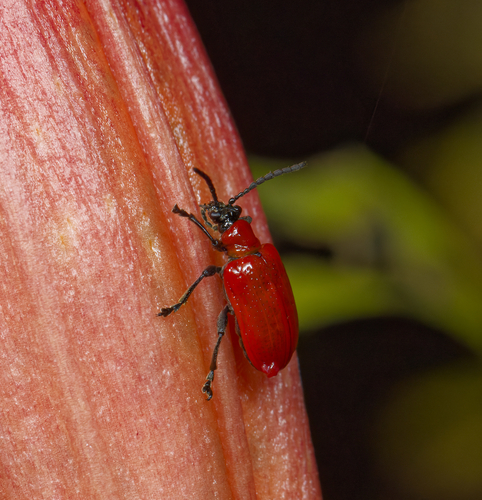
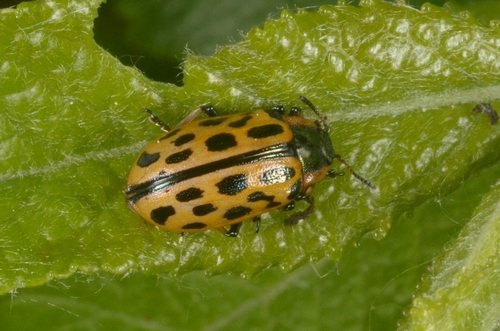
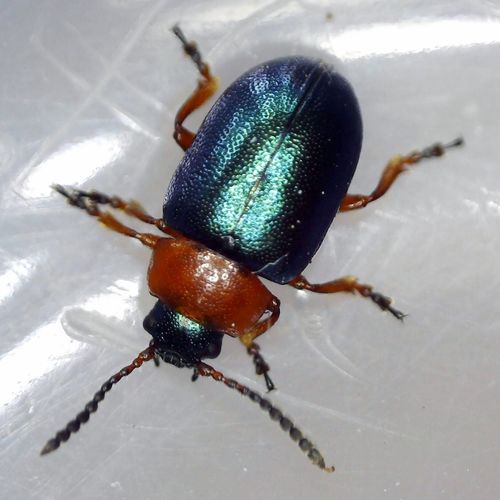
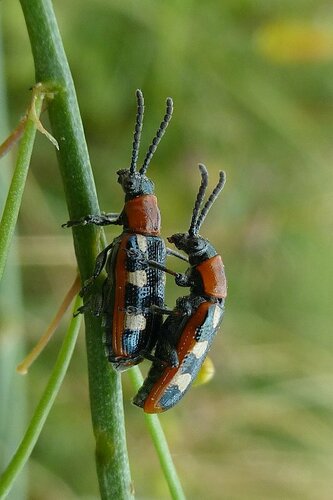
The common asparagus beetle (Crioceris asparagi) is a major pest of asparagus crops both in Europe and in North America. Asparagus is its only food plant. The beetle is 6.0 mm to 9.5 mm long and slightly elongated. It is metallic blue-black in color with cream or yellow spots on its red-bordered elytra. The larvae are fat gray grubs with dark heads.

The adult beetles and the larvae strip the needle-like leaves off the asparagus fronds, depriving the plants of the ability to photosynthesize and store energy for future years. Additionally, they chew the spears and lay a lot of eggs on them, rendering the crop unusable. The larvae feed on the plants for a few weeks, then drop to the ground to pupate. One year may see two or three generations of the beetle. The adults overwinter in a dormant state underground or in nearby leaf litter.

The parasitic wasp, Tetrastichus coeruleus, occurring mainly in the United States and Europe, can cause up to 71% mortality in the field and has been successfully used for biological control. Various insecticides (such as carbamates, pyrethroids, spinetoram, and spinosad) can be considered for pest control.

The similar spotted asparagus beetle (Crioceris duodecimpunctata) is also a pest as an adult, feeding on tender shoots and leaves, but since the larvae feed only on the asparagus berries it is not considered to be as important. Wikipedia →
Global Distribution

Parks Where Found

# Park Country Daily sighting probability
1 Doñana National Park 🇪🇸 Spain
~10%

More parks will be added in future updates.

Cities Where Found

# City Country Daily sighting probability
1 Hamburg 🇩🇪 Germany
~10%
2 Barcelona 🇪🇸 Spain
<5%
3 Munich 🇩🇪 Germany
<5%
4 London 🇬🇧 United Kingdom
<5%
5 Montreal 🇨🇦 Canada
<5%
6 Berlin 🇩🇪 Germany
<5%
7 Minneapolis [Saint Paul] 🇺🇸 United States
<5%
8 Toronto 🇨🇦 Canada
<5%
9 Washington 🇺🇸 United States
<5%

Before you go

What are the chances of seeing a Common Asparagus Beetle in Hamburg?

With luck

About 10% of wildlife watchers report a Common Asparagus Beetle sighting in Hamburg on a given day, based on 21 verified sightings from GBIF citizen-science data. It is the 134th most-seen of the 423 insects we can rate there. Over three days the chance rises to about 20%, and over a week to about 40%, if each day is a fresh chance.

When is the best time to see a Common Asparagus Beetle in Hamburg?

May and June

In those months about 10% of wildlife watchers report a Common Asparagus Beetle in Hamburg on a given day, against under 5% in July to April, the lowest months.

What time of day is best to see a Common Asparagus Beetle?

Between 11 am and 2 pm

Across all the parks we cover, that three-hour window holds the most Common Asparagus Beetle sightings with a recorded time, and about 8 in 10 of them come between 6 am and 6 pm: it is a daytime animal.

Is Hamburg the best place to see a Common Asparagus Beetle?

Yes

Of the 9 cities where we can rate Common Asparagus Beetle sightings, Hamburg has the highest daily chance: about 10%. Next come Barcelona (Spain, under 5%) and Munich (Germany, under 5%).

Which relatives of the Common Asparagus Beetle live in Hamburg?

Same family: Chrysomelidae

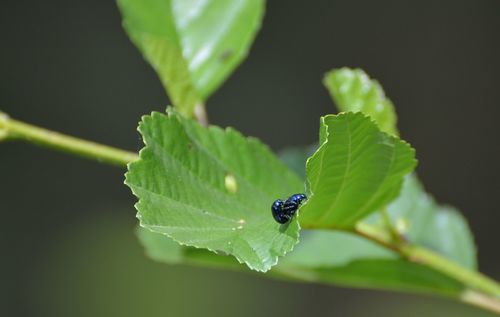
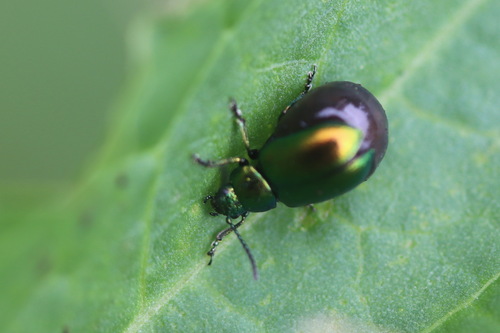
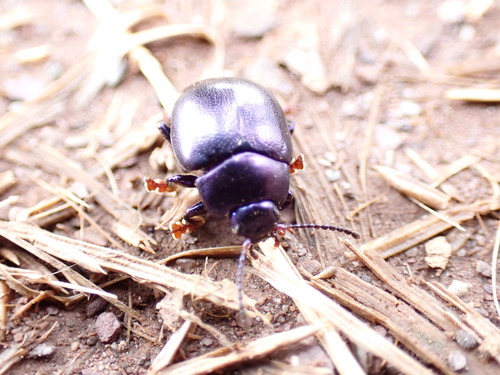
The closest relatives of the Common Asparagus Beetle that you can see in Hamburg (family Chrysomelidae, Leaf Beetles) are Alder Leaf Beetle (about 10%), Colorado Potato Beetle (about 10%) and Green Dock Beetle (about 10%), with each one's daily chance of a sighting.

Where does the Common Asparagus Beetle sighting chance come from?

GBIF citizen-science records

It is estimated from how often the Common Asparagus Beetle is recorded against all the insects logged in Hamburg (21 verified sightings), calibrated against known sighting rates. Figures are rounded to the nearest 10% because citizen-science data supports honest approximations, not decimals, and months with records from fewer than five people show "—". How it works.

← Back to Hamburg