








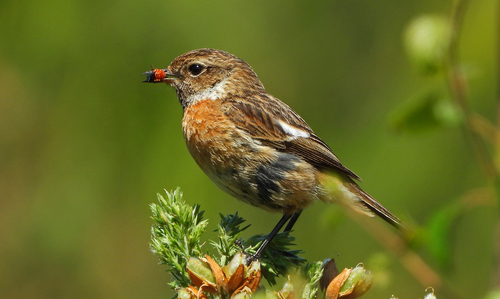


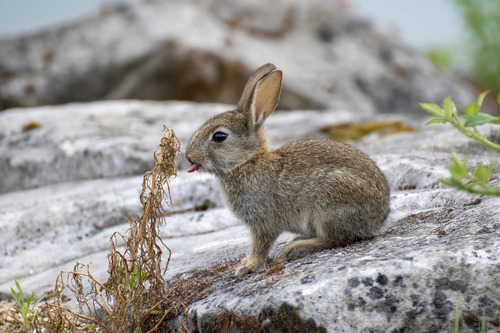



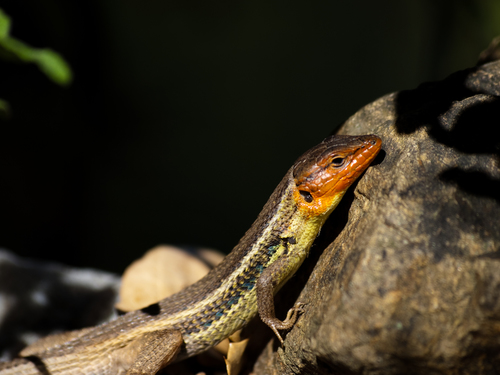

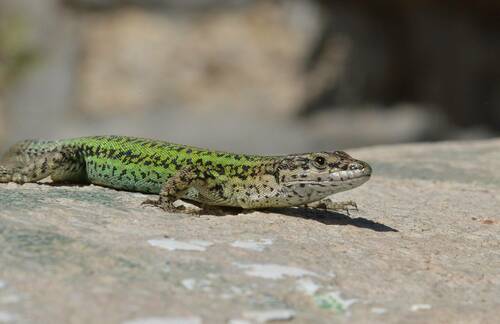

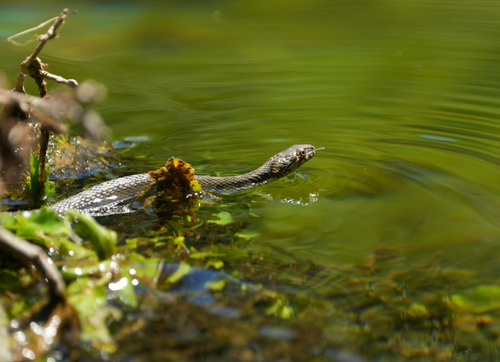


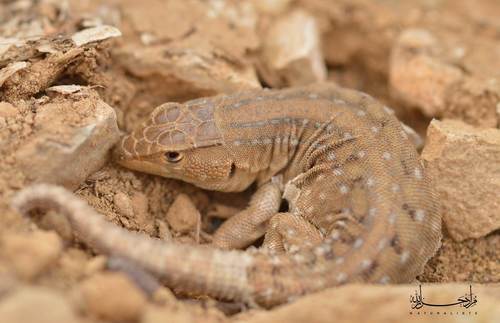


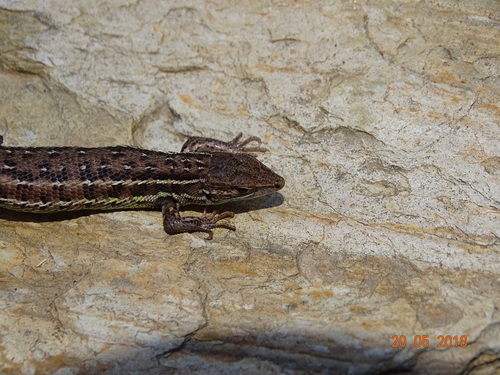


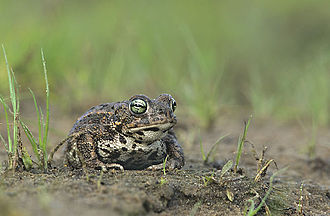


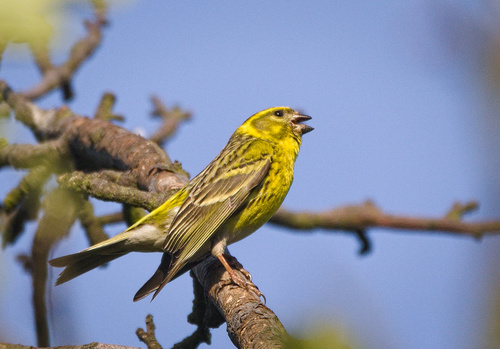


All 4 in 3 days here: ~80%
Doñana National Park
🇪🇸 Spain
Iberia, Spain 566 spp. recorded
Doñana National Park is a vast protected wetland and Mediterranean scrub reserve in southwest Iberia, Spain. It differs from other parks through its shifting dunes, permanent marshes, and dense pine groves that merge into a fragile coastal ecosystem.
37.001° N 6.416° W
🦜 Nature

326 Species sighted
141,700 Verified sightings From 2019 to 2026
Mar Best month
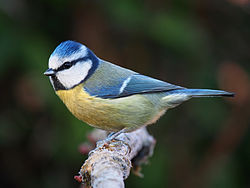
⭐ Iconic Species
📊 Most Spotted
📊 Most Spotted
⭐ Iconic Species
📊 Most Spotted
📊 Most Spotted
📊 Most Spotted
📊 Most Spotted
🌙 Most active after dark
+ 289 more species with insufficient data




Recent sightings in Doñana National Park
LIVEiNaturalistSighting Calendar
How many species you'd see in a day
47Jan
48Feb
54Mar
54Apr
53May
43Jun
41Jul
40Aug
47Sep
43Oct
47Nov
45Dec
Sighting Zones
Warmer areas are where all species together are recorded most often.
-
Marisma de El Rocío
-
Doñana PNat · Salinas de Bonanza
-
Centro de Visitantes José Antonio Valverde






🏕️ Experience
Essentials
Climate
Temp °C Rain mm
JanFebMarAprMayJunJulAugSepOctNovDec
0.0 Good
Wallace's Line Score
How good is this park for seeing wildlife? 🦜
Biodiversity
GoodHow rich is the wildlife?
3.5
Species by taxon
🦅 Birds 420
🐒 Mammals 89
🦎 Reptiles 43
🐸 Amphibians 14
566 Total Species
828 Global average across 316 parks
48 Threatened 8 Endemic
🔭
Sighting
Very goodHow likely to see animals?
3.4
🎯
Top-12 Avg Probability
65% 📊
Coverage (180 species at ≥5% of 566 in the inventory)
32% 🔀
Taxon variety in top 12 (11 bird, 1 mammal)
20% 🔭
Species per 10 outings (distinct species a visitor would meet over 10 outings — effort held equal across parks)
133 🌟
Iconic-group species (≥15%) (every species from the 19 iconic groups — monkeys, cats, toucans, macaws, sloths, crocodilians… — not just the 4 highlighted above)
8 ⭐
High-prob species (>40%)
28 🏕️
Experience
ExcellentHow easy and pleasant is the visit?
4.5
Climate Mixed Medium
Entrance Free High
Tourism Medium Medium
Trails Easy High
World Heritage Yes Bonus
What visitors say
Later on we would see two different types of peregrine falcon, and in the marshy canal areas the marsh harrier became prominent.
This number included one of my “bogey” birds – one which I had been striving to see since I started bird watching – the Common Quail.
Across the pastures we could see many Common Cranes feeding and a couple of Eurasian Hoopoes flitted up from the sandy ground.
It was on this trip that I saw my first Iberian lynx, when their numbers were very low, and scientists began to mark and track certain individuals using radio collars.
Before you go
What animals can you see in Doñana National Park?
566 species
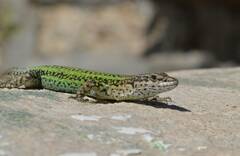
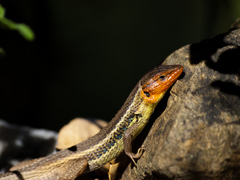
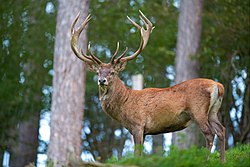
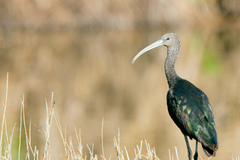
Doñana National Park has 566 recorded vertebrate species. The ones wildlife watchers report most often on a given day are Greater Flamingo (about 70%), Mallard (about 70%), Black-winged Stilt (about 70%), Glossy Ibis (about 70%) and Eurasian Coot (about 70%). Among mammals, the most-seen is Red Deer (about 60%); among reptiles, Moorish Gecko (about 50%); among amphibians, Natterjack Toad (about 30%).
When is the best time to visit Doñana National Park for wildlife?
February to June
In those months the park's 12 most-seen species average about 70% on a given day, against about 50% in September and October.
Can you see a Greater Flamingo in Doñana National Park?
Yes
About 70% of wildlife watchers report a Greater Flamingo sighting in Doñana National Park on a given day, based on 3,480 verified sightings from GBIF citizen-science data from 2019 to 2026. The best time is January (about 90%).
Can you see a Eurasian Spoonbill in Doñana National Park?
Yes
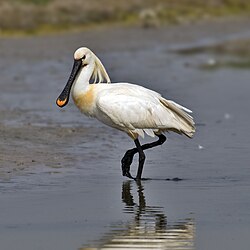
About 60% of wildlife watchers report a Eurasian Spoonbill sighting in Doñana National Park on a given day, based on 2,807 verified sightings from GBIF citizen-science data from 2019 to 2026. The best time is April and June (about 80%).
Can you see a Grey Heron in Doñana National Park?
Yes
About 60% of wildlife watchers report a Grey Heron sighting in Doñana National Park on a given day, based on 2,458 verified sightings from GBIF citizen-science data from 2019 to 2026. The best time is March, May–June and November–December (about 70%).
Can you see a White Stork in Doñana National Park?
Yes
About 60% of wildlife watchers report a White Stork sighting in Doñana National Park on a given day, based on 2,621 verified sightings from GBIF citizen-science data from 2019 to 2026. The best time is February–March and May (about 70%).
Where in Doñana National Park is wildlife easiest to see?
Around Marisma de El Rocío
The richest sighting zone is around Marisma de El Rocío, followed by Lagunas de Camino Colorado and Doñana PNat · Salinas de Bonanza, ranked by how many of the park's headline animals visitors can expect to see in each. See the zones on the map.
Is Doñana National Park good for wildlife watching?
3.4 out of 5
On the Wallace's Line Score, Doñana National Park rates 3.4/5: 216th of 316 parks worldwide and 5th in Europe. 35 of its species are reported by about 40% or more of wildlife watchers on a given day.


