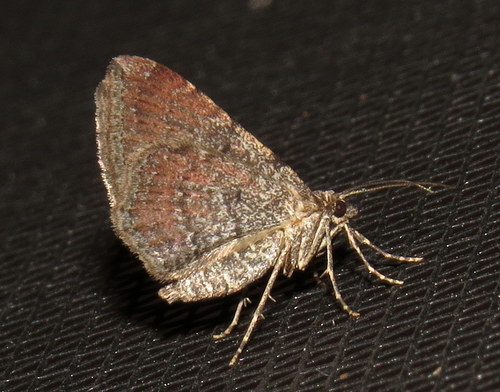
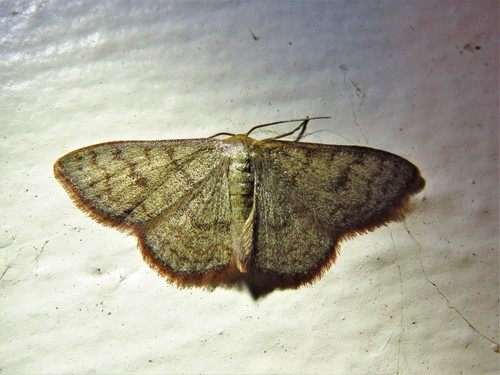
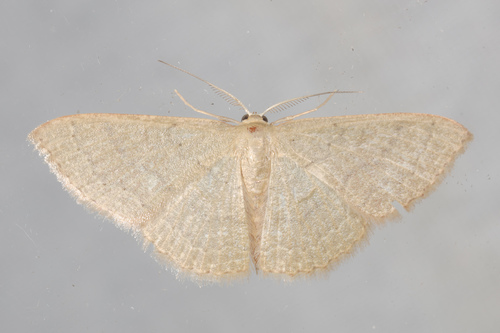
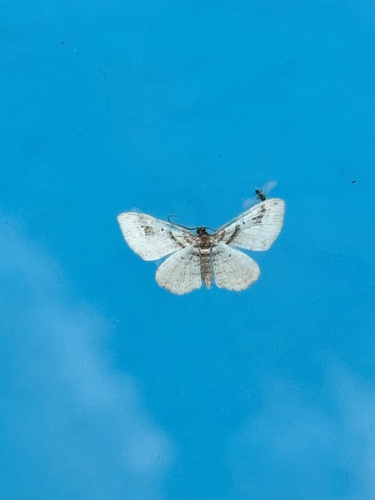
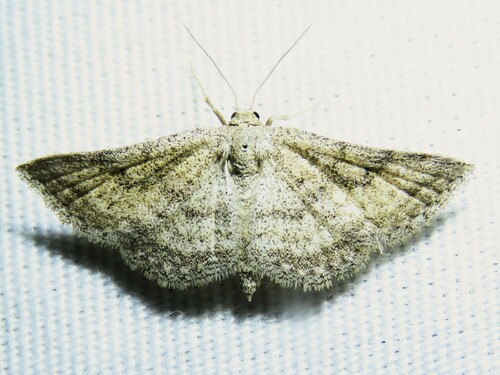
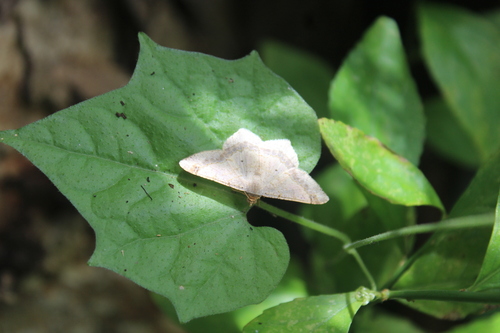
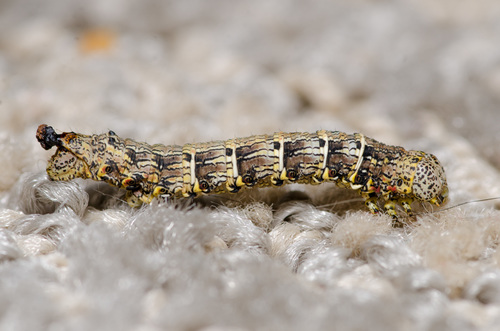
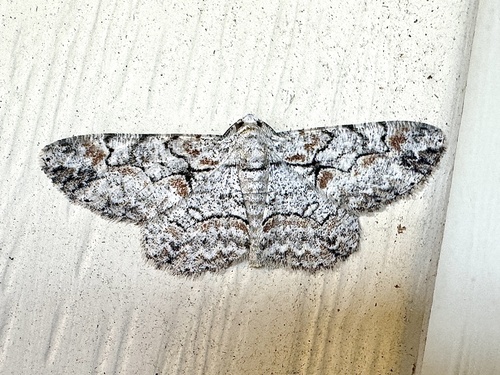
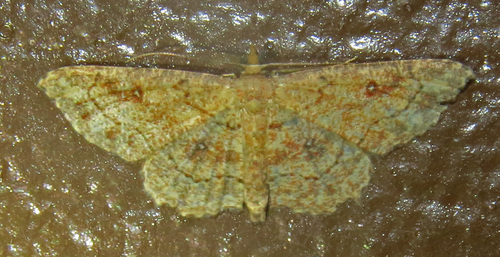
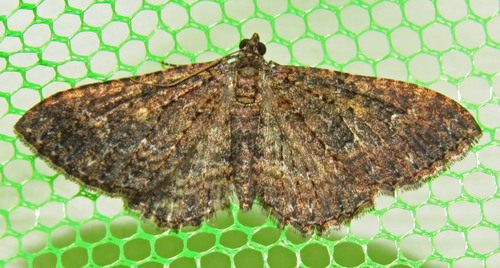
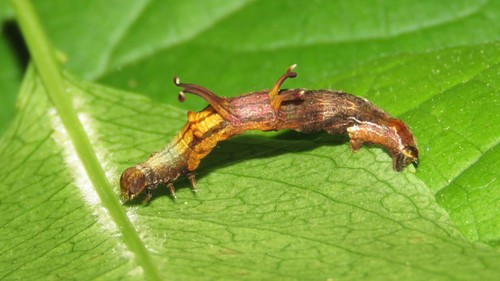
Gem Moth

Gem Moth

Orthonama obstipata

Daily sighting probability <5% · Rare
at Houston

In 3 days ~10% in a week ~20%

12 Verified sightings at Houston
8 In 1 park From 2019 to 2026
October Best month
🌙 Nocturnal When it's spotted

About the Gem Moth

Orthonama obstipata, the gem, is a moth of the family Geometridae. The species was first described by Johan Christian Fabricius in 1794. It is a cosmopolitan species. In continental Europe though in the northeast, its range does not significantly extend beyond the Baltic region and it is absent from northern Russia. This well-flying species is prone to vagrancy and able to cross considerable distances of the open sea; it can thus be regularly found on the British Isles (though mainly in the south) and even on Iceland.

Under its junior synonyms Nycterosea brunneipennis and Geometra fluviata, the gem is the type species of genera Nycterosea and Percnoptilota, respectively. The latter is treated as a junior synonym of the former, but Nycterosea, though usually included in Orthonama these days, may warrant recognition as an independent genus after all.

The adult's wingspan is 18–21 mm (0.71–0.83 in); in their core range (e.g. Belgium and the Netherlands) they can be seen between April and November, but in outlying regions, they may only be regularly encountered in late summer and early autumn, when vagrant individuals abound. This species is strongly sexually... Wikipedia →

Global Distribution

Parks Where Found

# Park Country Daily sighting probability
1 Shenandoah National Park 🇺🇸 United States
~10%

More parks will be added in future updates.

Cities Where Found

# City Country Daily sighting probability
1 Porto 🇵🇹 Portugal
~10%
2 Austin 🇺🇸 United States
~10%
3 Baltimore 🇺🇸 United States
~10%
4 Dallas 🇺🇸 United States
~10%
5 Chicago 🇺🇸 United States
~10%
6 Detroit 🇺🇸 United States
<5%
7 Washington 🇺🇸 United States
<5%
8 Toronto 🇨🇦 Canada
<5%
9 Madrid 🇪🇸 Spain
<5%
10 Philadelphia 🇺🇸 United States
<5%

Before you go

What are the chances of seeing a Gem Moth in Houston?

Rare

Under 5% of wildlife watchers report a Gem Moth sighting in Houston on a given day, based on 12 verified sightings from GBIF citizen-science data. It is the 633rd most-seen of the 1057 insects we can rate there. Over three days the chance rises to about 10%, and over a week to about 20%, if each day is a fresh chance.

When is the best time to see a Gem Moth in Houston?

Any time of year

In every month with enough records, under 5% of wildlife watchers report a Gem Moth in Houston on a given day, so our monthly data shows no clear season.

What time of day is best to see a Gem Moth?

Between 9 pm and midnight

Across all the parks we cover, that three-hour window holds the most Gem Moth sightings with a recorded time, and about 8 in 10 of them come between 6 pm and 6 am: it is mostly seen at night.

Is Houston the best place to see a Gem Moth?

21st of 25

Of the 25 cities where we can rate Gem Moth sightings, Houston ranks 21st at under 5%. The best odds are in Porto (Portugal, about 10%), Austin (United States, about 10%) and Baltimore (United States, about 10%).

Which relatives of the Gem Moth live in Houston?

Same family: Geometridae

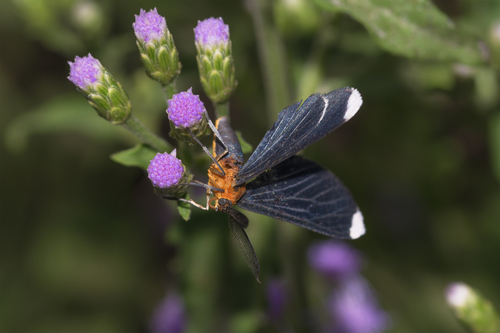
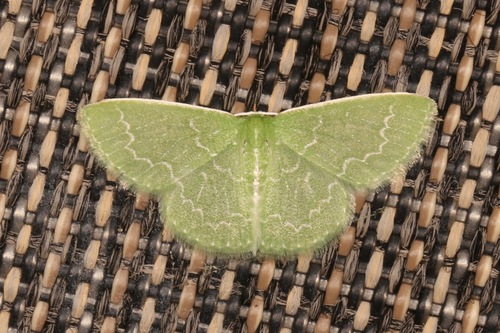
The closest relatives of the Gem Moth that you can see in Houston (family Geometridae, Geometer Moths) are Pannaria Wave (about 10%), White-Tipped Black (about 10%) and Southern Emerald (about 10%), with each one's daily chance of a sighting.

Where does the Gem Moth sighting chance come from?

GBIF citizen-science records

It is estimated from how often the Gem Moth is recorded against all the insects logged in Houston (12 verified sightings), calibrated against known sighting rates. Figures are rounded to the nearest 10% because citizen-science data supports honest approximations, not decimals, and months with records from fewer than five people show "—". How it works.

← Back to Houston