Two-Lined Spittlebug

Two-Lined Spittlebug

Prosapia bicincta

Daily sighting probability ~10% · With luck
at Houston

In 3 days ~10% in a week ~30%

93 Verified sightings at Houston
176 In all 4 parks From 2019 to 2026
July Best month
☀️🌙 Day & Night When it's spotted

About the Two-Lined Spittlebug

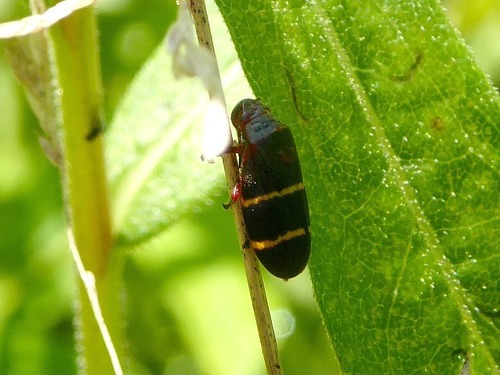
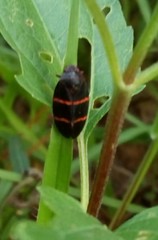
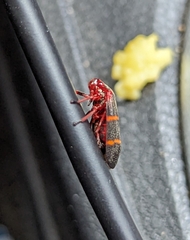
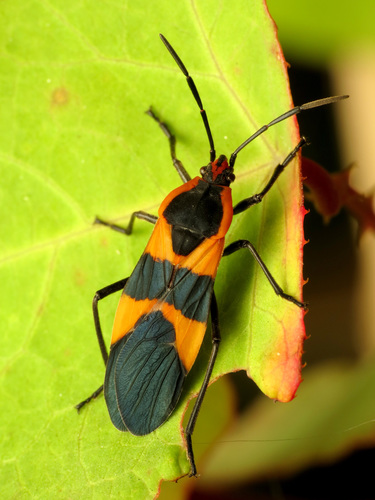
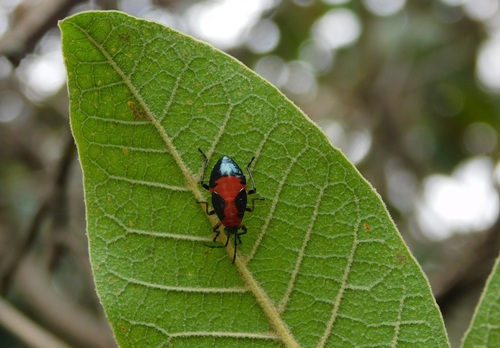
Prosapia bicincta, the two-lined spittlebug, is a species of insect in the family Ischnorhinidae (formerly Cercopidae). Adults are black with two red or orange lines crossing the wings. It reaches a length of 8–10 mm. It is widespread in the eastern half of the United States. A similar species, Prosapia simulans, can be found throughout Central America where it is considered an agricultural pest.

Nymphs feed on various grasses (including centipedegrass, bermudagrass and corn) from within foam (consisting of their own spittle) produced from juices of their host plant. Adults feed on the leaves of both native and introduced species of holly, as well as on the leaves of the eastern redbud tree. It is a pest of forage grasses and turf grasses such as those grown for lawns and its consumption of these plants causes economic damage throughout the southeastern United States.

Since 2016, P. bicincta has been associated with dying patches of pasture on the island of Hawaiʻi. By 2022, the distribution of the infestation had expanded, reached more than 70,000 ha and had caused serious, widespread and long-term damage to large areas of rangelands and pastures on the island. Wikipedia →

Global Distribution

Parks Where Found

# Park Country Daily sighting probability
1 Great Smoky Mountains National Park 🇺🇸 United States
~20%
2 Big Cypress National Preserve 🇺🇸 United States
~20%
3 Shenandoah National Park 🇺🇸 United States
~10%
4 Everglades National Park 🇺🇸 United States
~10%

Cities Where Found

# City Country Daily sighting probability
1 Washington 🇺🇸 United States
~10%
2 Dallas 🇺🇸 United States
~10%
3 Austin 🇺🇸 United States
~10%
4 Baltimore 🇺🇸 United States
~10%
5 Houston 🇺🇸 United States
~10%
6 Miami 🇺🇸 United States
<5%
7 Philadelphia 🇺🇸 United States
<5%
8 New York City 🇺🇸 United States
<5%
9 San Antonio 🇺🇸 United States
<5%

Before you go

What are the chances of seeing a Two-Lined Spittlebug in Houston?

With luck

About 10% of wildlife watchers report a Two-Lined Spittlebug sighting in Houston on a given day, based on 93 verified sightings from GBIF citizen-science data. It is the 170th most-seen of the 1057 insects we can rate there. Over three days the chance rises to about 10%, and over a week to about 30%, if each day is a fresh chance.

When is the best time to see a Two-Lined Spittlebug in Houston?

April–May and July

In those months about 10% of wildlife watchers report a Two-Lined Spittlebug in Houston on a given day, against under 5% in June and August–March, the lowest months.

What time of day is best to see a Two-Lined Spittlebug?

Between 9 am and noon

Across all the parks we cover, that three-hour window holds the most Two-Lined Spittlebug sightings with a recorded time, and about 6 in 10 of them come between 6 am and 6 pm: it is seen both by day and at night.

Is Houston the best place to see a Two-Lined Spittlebug?

Among the best

Of the 9 cities where we can rate Two-Lined Spittlebug sightings, Houston ranks 5th at about 10%, level with the leaders once rounded. The best odds are in Washington (United States, about 10%), Dallas (United States, about 10%) and Austin (United States, about 10%).

Which relatives of the Two-Lined Spittlebug live in Houston?

Same order: Hemiptera

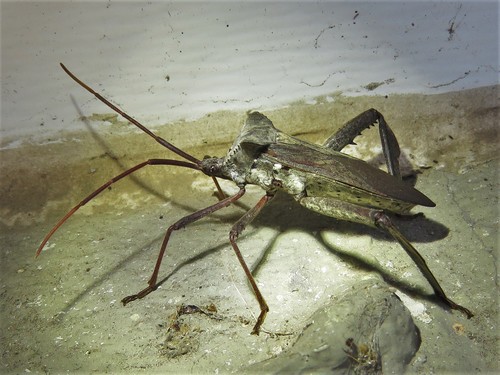
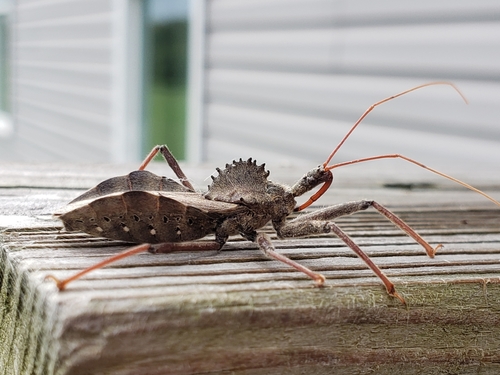
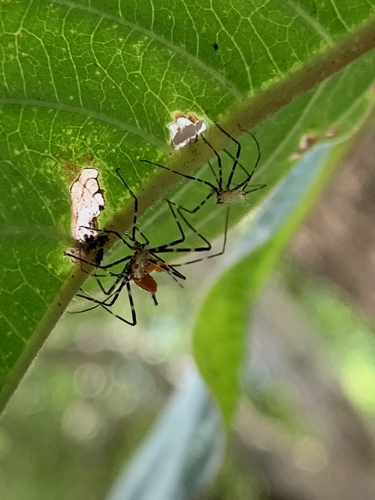
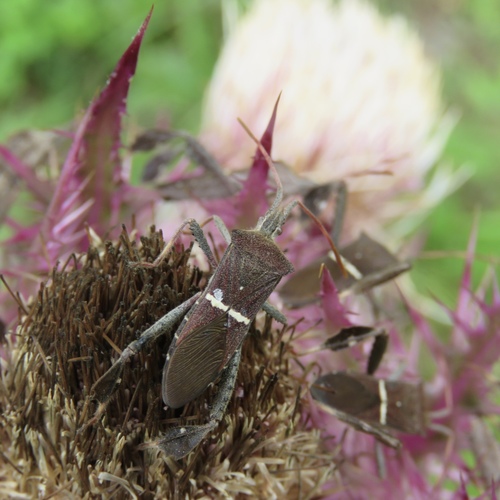
The closest relatives of the Two-Lined Spittlebug that you can see in Houston (order Hemiptera, True Bugs, Hoppers, Aphids, and allies) are Giant Leaf-Footed Bug (about 10%), North American Wheel Bug (about 10%) and Milkweed Assassin Bug (about 10%), with each one's daily chance of a sighting.

Where does the Two-Lined Spittlebug sighting chance come from?

GBIF citizen-science records

It is estimated from how often the Two-Lined Spittlebug is recorded against all the insects logged in Houston (93 verified sightings), calibrated against known sighting rates. Figures are rounded to the nearest 10% because citizen-science data supports honest approximations, not decimals, and months with records from fewer than five people show "—". How it works.

← Back to Houston