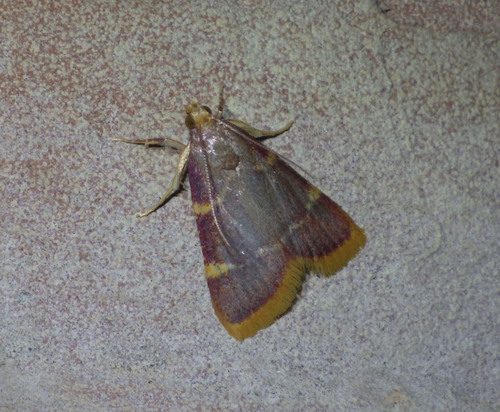
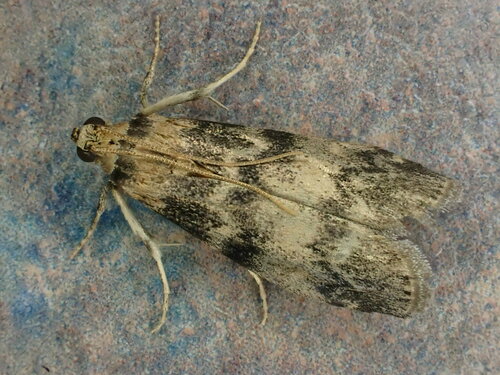
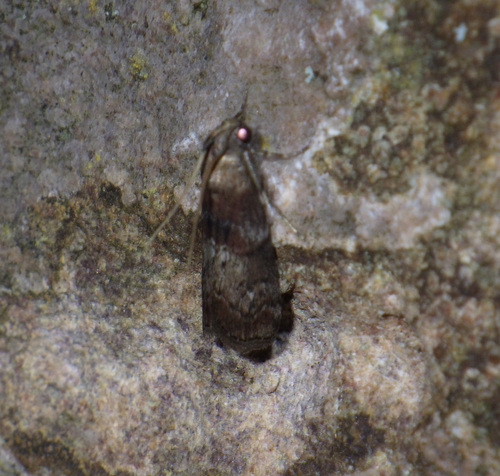
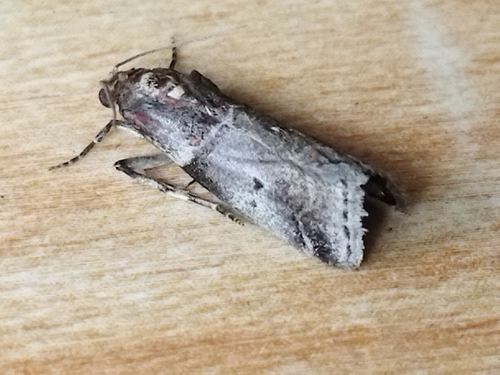
Lesser Wax Moth

Lesser Wax Moth

Achroia grisella

Daily sighting probability <5% · Rare
at London

In 3 days ~10% in a week ~20%

9 Verified sightings at London
December Best month

About the Lesser Wax Moth

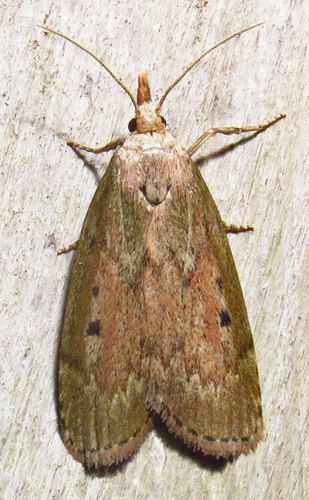
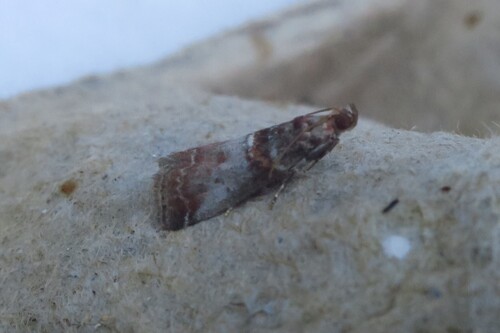
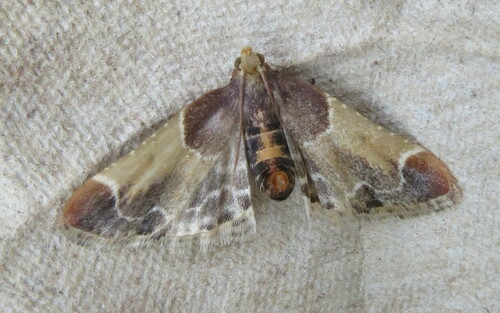
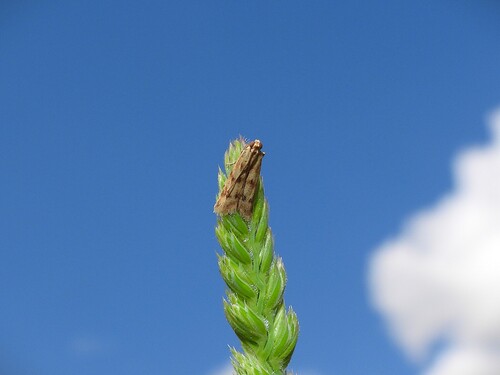
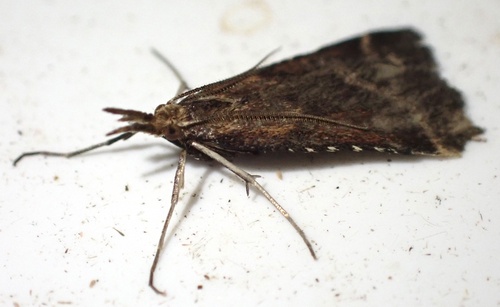
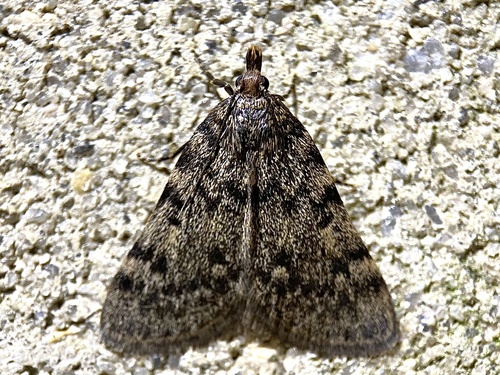
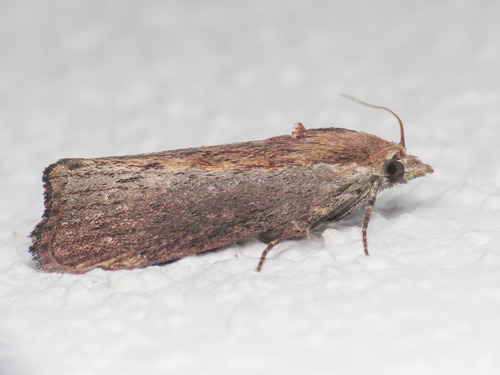
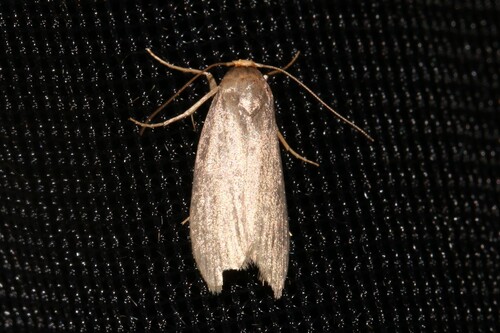
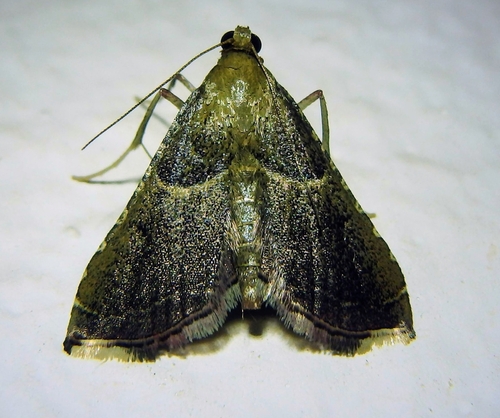
The lesser wax moth (Achroia grisella) is a small moth of the snout moth family (Pyralidae) that belongs to the subfamily Galleriinae. The species was first described by Johan Christian Fabricius in 1794. Adults are about 0.5 inches (13 mm) in length and have a distinct yellow head with a silver-grey or beige body. Lesser wax moths are common in most parts of the world, except in areas with cold climates. Their geographic spread was aided by humans who inadvertently introduced them to many regions worldwide.

The mating systems of the lesser wax moth are well researched because they involve sound production. Lesser wax males produce ultrasonic pulses in order to attract females. Females seek the most attractive males and base their decisions on characteristics of the male sound. While sex pheromones are also emitted by the males, male calling is more effective in attracting mates.

Because lesser wax moths eat unoccupied honey bee combs, they are considered pests to bees and beekeepers. However, unoccupied combs can harbor harmful pathogens that inflict damage to neighboring insects. By eating the combs, the moths can reduce the harm to insects of that region and provide a clean space for other organisms to inhabit. Wikipedia →
Global Distribution

Parks Where Found

# Park Country Daily sighting probability

More parks will be added in future updates.

Cities Where Found

# City Country Daily sighting probability
1 Auckland 🇳🇿 New Zealand
~10%
2 London 🇬🇧 United Kingdom
<5%
3 Austin 🇺🇸 United States
<5%
4 Houston 🇺🇸 United States
<5%
5 San Diego 🇺🇸 United States
<5%
6 Los Angeles 🇺🇸 United States
<5%

Before you go

What are the chances of seeing a Lesser Wax Moth in London?

Rare

Under 5% of wildlife watchers report a Lesser Wax Moth sighting in London on a given day, based on 9 verified sightings from GBIF citizen-science data. It is the 1109th most-seen of the 1504 insects we can rate there. Over three days the chance rises to about 10%, and over a week to about 20%, if each day is a fresh chance.

When is the best time to see a Lesser Wax Moth in London?

Any time of year

In every month with enough records, under 5% of wildlife watchers report a Lesser Wax Moth in London on a given day, so our monthly data shows no clear season.

Is London the best place to see a Lesser Wax Moth?

2nd of 6

Of the 6 cities where we can rate Lesser Wax Moth sightings, London ranks 2nd at under 5%. The best odds are in Auckland (New Zealand, about 10%).

Which relatives of the Lesser Wax Moth live in London?

Same family: Pyralidae

The closest relatives of the Lesser Wax Moth that you can see in London (family Pyralidae, Pyralid Snout Moths) are Rosy Tabby (about 10%), Bee Moth (about 10%) and Grey Knot-Horn (about 10%), with each one's daily chance of a sighting.

Where does the Lesser Wax Moth sighting chance come from?

GBIF citizen-science records

It is estimated from how often the Lesser Wax Moth is recorded against all the insects logged in London (9 verified sightings), calibrated against known sighting rates. Figures are rounded to the nearest 10% because citizen-science data supports honest approximations, not decimals, and months with records from fewer than five people show "—". How it works.

← Back to London