Native Budworm

Native Budworm

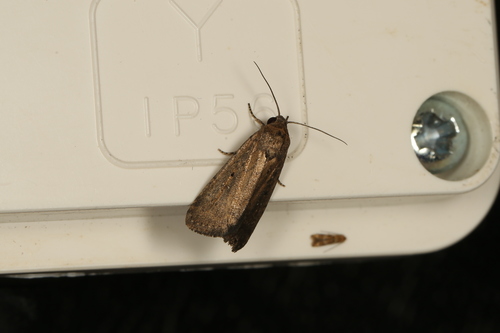
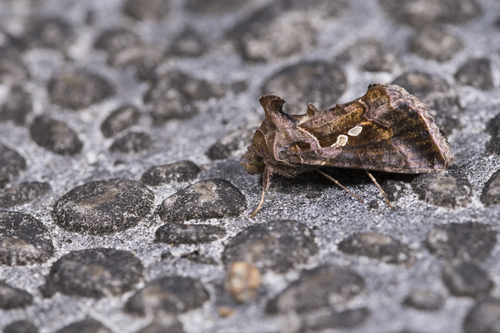
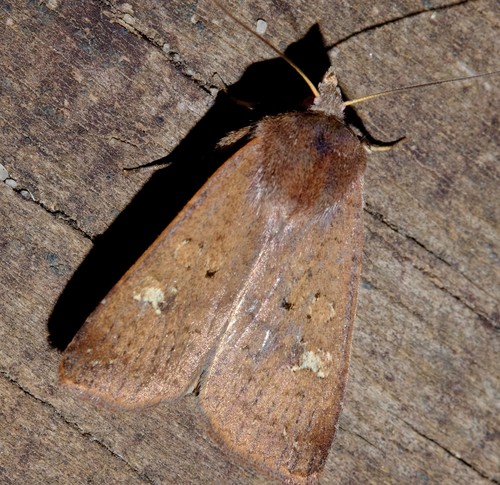
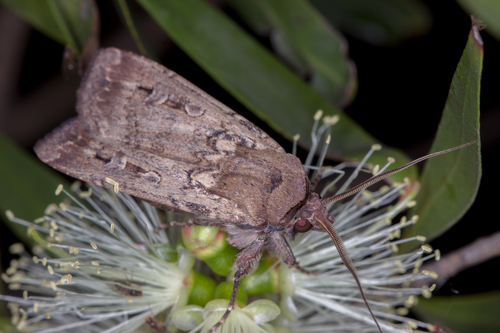
Helicoverpa punctigera

Daily sighting probability <5% · Rare
at Melbourne

In 3 days ~10% in a week ~20%

38 Verified sightings at Melbourne
14 In 1 park From 2019 to 2026
November Best month
🌙 Nocturnal When it's spotted

About the Native Budworm

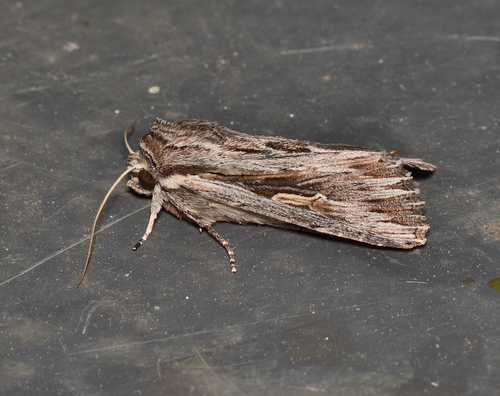
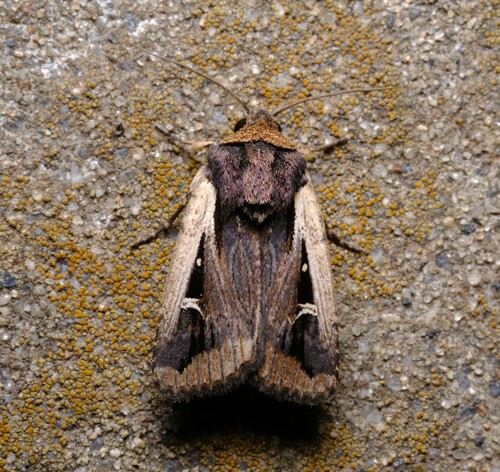
Helicoverpa punctigera, the native budworm, Australian bollworm or Chloridea marmada, is a species of moth in the family Noctuidae. This species is native to Australia. H. punctigera are capable of long-distance migration from their inland Australian habitat towards coastal regions and are an occasional migrant to New Zealand.

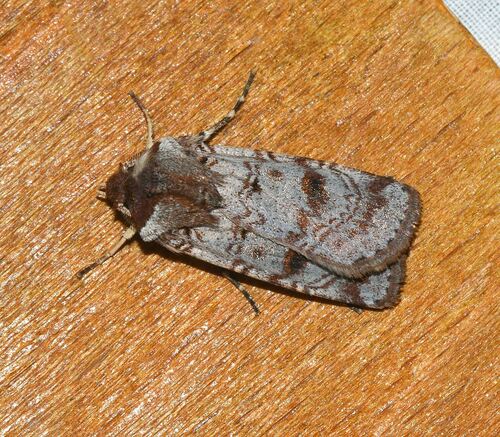
This species is a generalist, with larvae observed feeding on at least 100 plant species, and are considered a pest for tobacco, flax, peas, sunflower, cotton, maize, tomatoes and other crops. Outside of agricultural settings, primary host plants include some Australian native daisies, in particular flat billy buttons Leiocarpa brevicompta, annual yellow tops Senecio gregorii, poached egg daisy Polycamma stuartii, and also the native legume Cullen cinereum. Helicoverpa punctigera is often compared to its cousin species H. armigera who unlike H. punctigera has developed resistance to certain insecticides and other genetically modified cotton crops. The two species can occasionally be confused with one another as they look similar. However, the two species can be differentiated by characteristic differences in their hindwings. H. punctigera is often confused with two other moth species of the family Noctuidae – the Armyworm Moth (Mythimna unipuncta) and the Looper Moth – due to the medium-sized nature of the three species. Wikipedia →

Global Distribution

Parks Where Found

# Park Country Daily sighting probability
1 Great Otway National Park 🇦🇺 Australia
~10%

More parks will be added in future updates.

Cities Where Found

# City Country Daily sighting probability
1 Perth 🇦🇺 Australia
~10%
2 Auckland 🇳🇿 New Zealand
<5%
3 Melbourne 🇦🇺 Australia
<5%
4 Brisbane 🇦🇺 Australia
<5%

Before you go

What are the chances of seeing a Native Budworm in Melbourne?

Rare

Under 5% of wildlife watchers report a Native Budworm sighting in Melbourne on a given day, based on 38 verified sightings from GBIF citizen-science data. It is the 294th most-seen of the 875 insects we can rate there. Over three days the chance rises to about 10%, and over a week to about 20%, if each day is a fresh chance.

When is the best time to see a Native Budworm in Melbourne?

November

In that month about 10% of wildlife watchers report a Native Budworm in Melbourne on a given day, against under 5% in December to October, the lowest months.

What time of day is best to see a Native Budworm?

Between 9 pm and midnight

Across all the parks we cover, that three-hour window holds the most Native Budworm sightings with a recorded time, and about 7 in 10 of them come between 6 pm and 6 am: it is mostly seen at night.

Is Melbourne the best place to see a Native Budworm?

3rd of 4

Of the 4 cities where we can rate Native Budworm sightings, Melbourne ranks 3rd at under 5%. The best odds are in Perth (Australia, about 10%) and Auckland (New Zealand, under 5%).

Which relatives of the Native Budworm live in Melbourne?

Same family: Noctuidae

The closest relatives of the Native Budworm that you can see in Melbourne (family Noctuidae, Cutworm Moths and Allies) are Bogong Moth (about 20%), Australian Grapevine Moth (about 10%) and Brown Cutworm (about 10%), with each one's daily chance of a sighting.

Where does the Native Budworm sighting chance come from?

GBIF citizen-science records

It is estimated from how often the Native Budworm is recorded against all the insects logged in Melbourne (38 verified sightings), calibrated against known sighting rates. Figures are rounded to the nearest 10% because citizen-science data supports honest approximations, not decimals, and months with records from fewer than five people show "—". How it works.

← Back to Melbourne