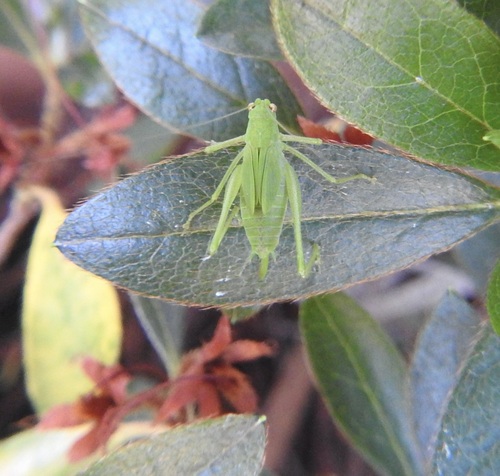
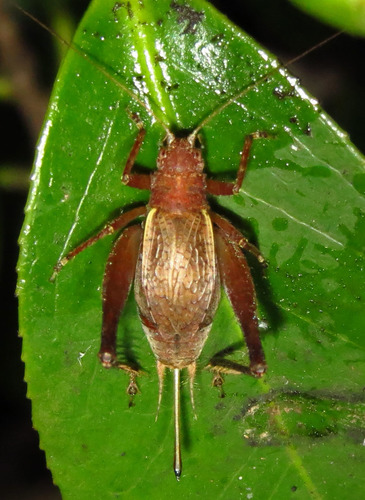
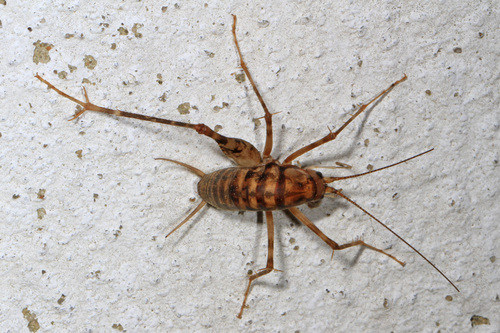
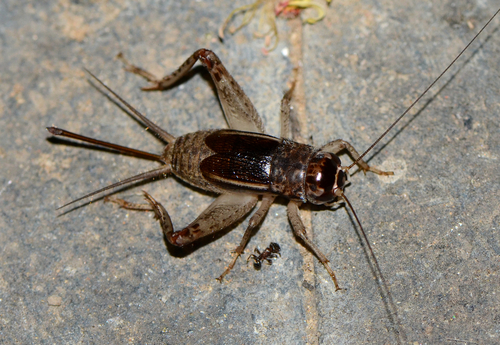
American Bird Grasshopper

American Bird Grasshopper

Schistocerca americana

Daily sighting probability <5% · Rare
at New York City

In 3 days ~10%

10 Verified sightings at New York City
104 In all 7 parks From 2019 to 2026
October Best month
☀️ Diurnal When it's spotted

About the American Bird Grasshopper

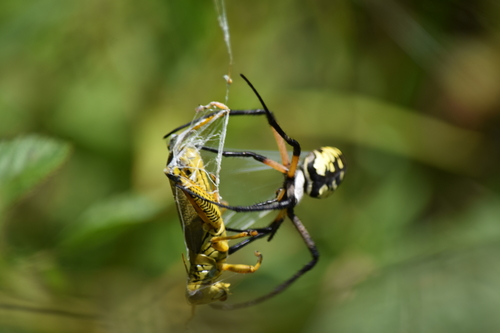
Schistocerca americana is a species of grasshopper in the family Acrididae known commonly as the American grasshopper and American bird grasshopper. It is native to North America, where it occurs in the eastern United States, Mexico, and the Bahamas. Occasional, localized outbreaks of this grasshopper occur, and it is often referred to as a locust, though it lacks the true swarming form of its congener, the desert locust (S. gregaria).

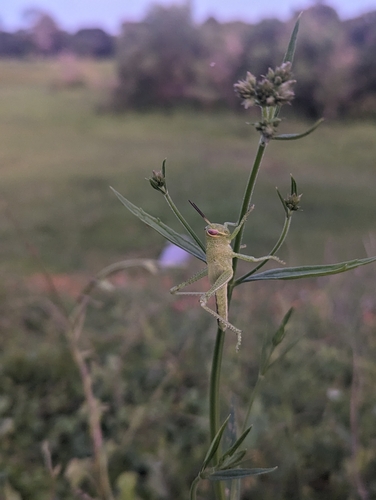
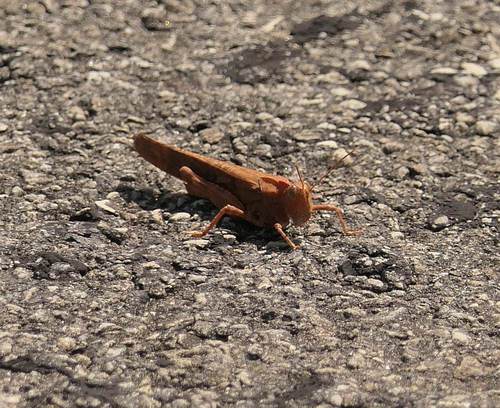
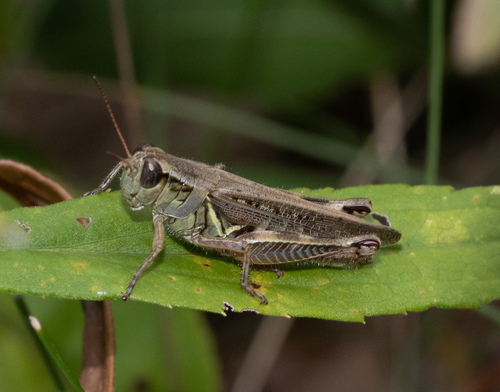
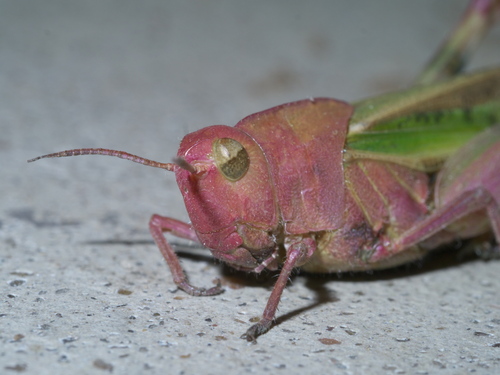
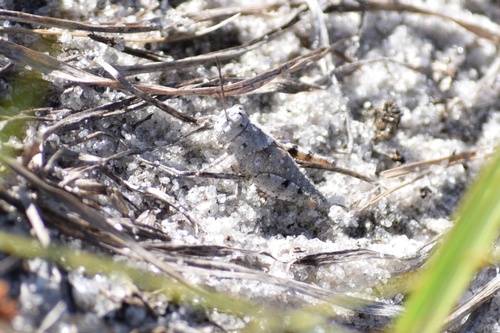
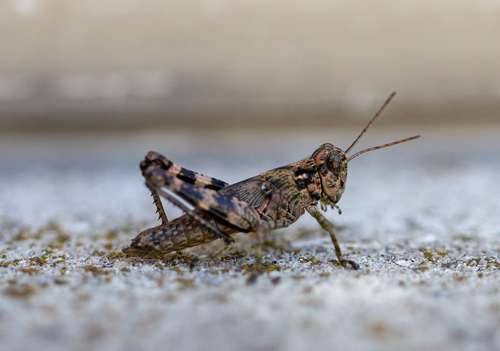
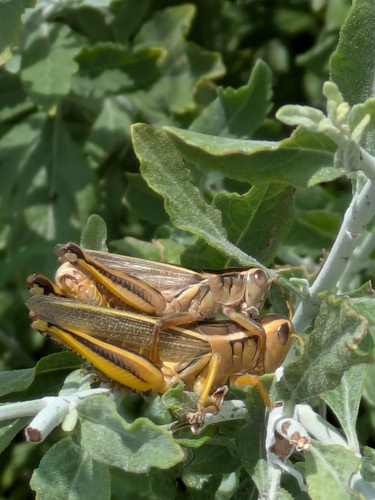
The adult male of the species is up to 4.5 cm (1.8 in) long, and the adult female may reach 5.5 cm (2.2 in). The body of the adult is generally yellow-brown in color and the wings are pale with large brown spots. The nymphs are different in appearance. They change color as they mature and their coloration is a polyphenic trait – influenced by environmental conditions, producing multiple forms from one genotype. This is not uncommon among grasshoppers. In this species, the coloration of the nymphs is especially influenced by temperature. Nymphs are various shades of green, yellow, or red, usually with a pattern of black markings. They are often red at lower temperatures, but at higher temperatures, only green and yellow shades occur.... Wikipedia →

Global Distribution

Parks Where Found

# Park Country Daily sighting probability
1 Padre Island National Seashore 🇺🇸 United States
~20%
2 Congaree National Park 🇺🇸 United States
~10%
3 Big Cypress National Preserve 🇺🇸 United States
~10%
4 Merritt Island National Wildlife Refuge 🇺🇸 United States
~10%
5 Everglades National Park 🇺🇸 United States
~10%
6 Great Smoky Mountains National Park 🇺🇸 United States
~10%
7 Shenandoah National Park 🇺🇸 United States
~10%

Cities Where Found

# City Country Daily sighting probability
1 Houston 🇺🇸 United States
~10%
2 Austin 🇺🇸 United States
~10%
3 Dallas 🇺🇸 United States
~10%
4 San Antonio 🇺🇸 United States
~10%
5 Baltimore 🇺🇸 United States
<5%
6 Orlando 🇺🇸 United States
<5%
7 Miami 🇺🇸 United States
<5%
8 Washington 🇺🇸 United States
<5%
9 Philadelphia 🇺🇸 United States
<5%
10 New York City 🇺🇸 United States
<5%

Before you go

What are the chances of seeing an American Bird Grasshopper in New York City?

Rare

Under 5% of wildlife watchers report an American Bird Grasshopper sighting in New York City on a given day, based on 10 verified sightings from GBIF citizen-science data. It is the 1094th most-seen of the 1623 insects we can rate there. Over three days the chance rises to about 10%, if each day is a fresh chance.

When is the best time to see an American Bird Grasshopper in New York City?

Any time of year

In every month with enough records, under 5% of wildlife watchers report an American Bird Grasshopper in New York City on a given day, so our monthly data shows no clear season.

What time of day is best to see an American Bird Grasshopper?

Between 10 am and 1 pm

Across all the parks we cover, that three-hour window holds the most American Bird Grasshopper sightings with a recorded time, and about 9 in 10 of them come between 6 am and 6 pm: it is a daytime animal.

Is New York City the best place to see an American Bird Grasshopper?

10th of 10

Of the 10 cities where we can rate American Bird Grasshopper sightings, New York City ranks 10th at under 5%. The best odds are in Houston (United States, about 10%), Austin (United States, about 10%) and Dallas (United States, about 10%).

Where does the American Bird Grasshopper sighting chance come from?

GBIF citizen-science records

It is estimated from how often the American Bird Grasshopper is recorded against all the insects logged in New York City (10 verified sightings), calibrated against known sighting rates. Figures are rounded to the nearest 10% because citizen-science data supports honest approximations, not decimals, and months with records from fewer than five people show "—". How it works.

← Back to New York City