About the Inland Floodwater Mosquito
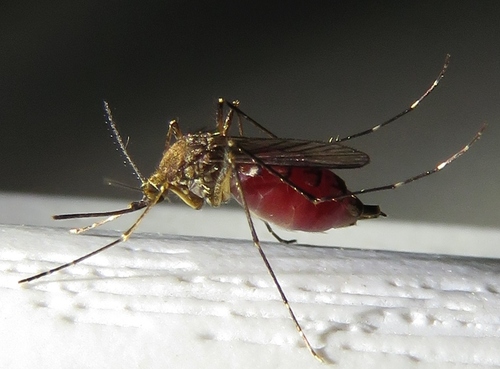
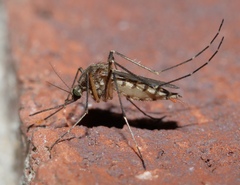
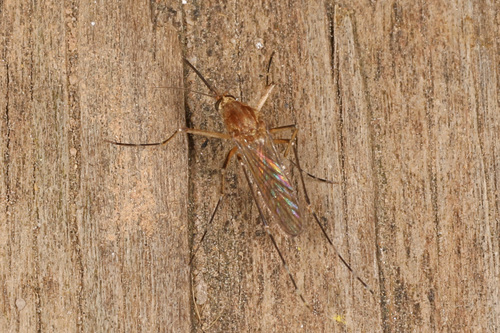
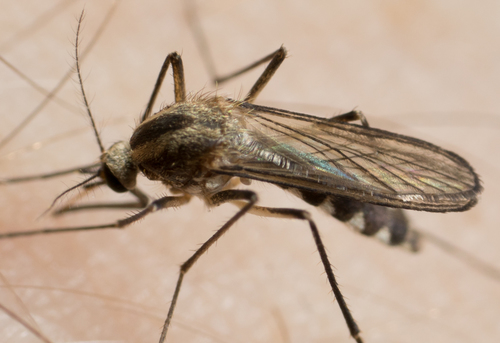
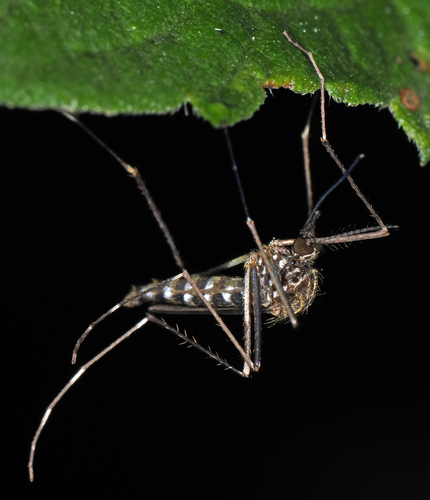
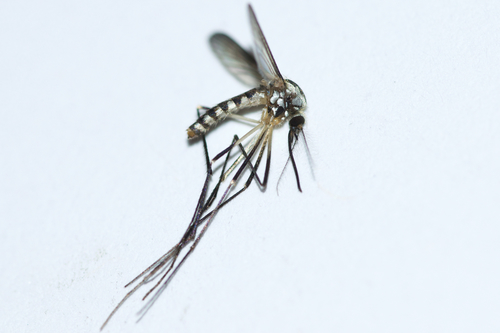
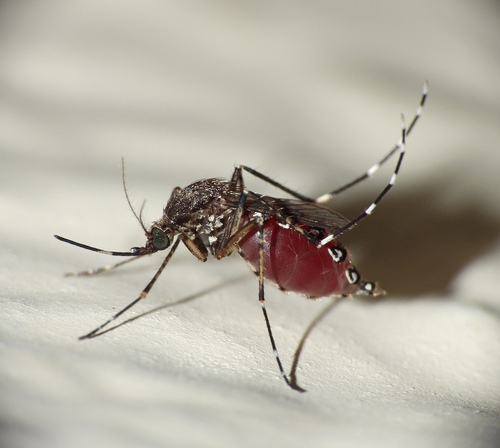
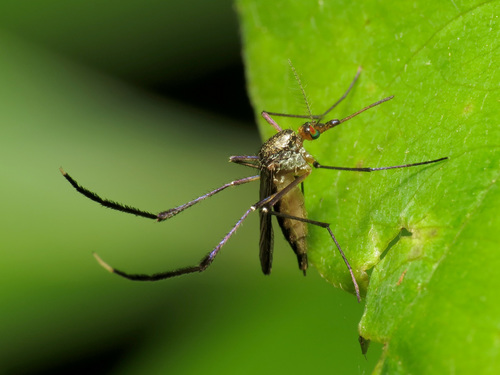
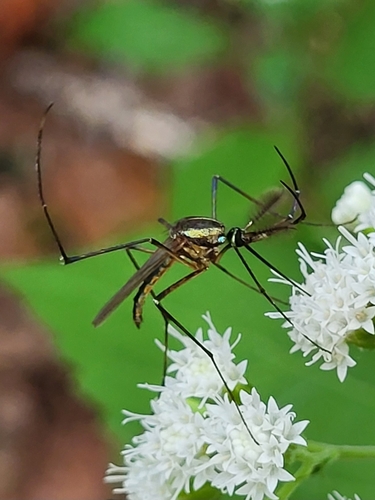
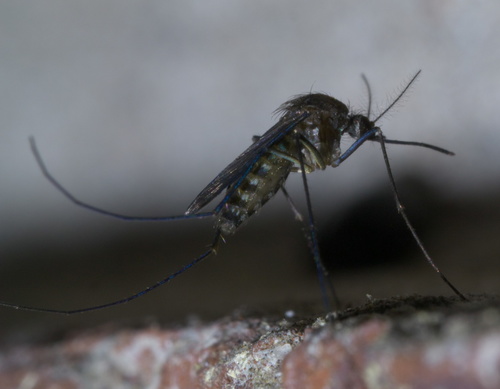
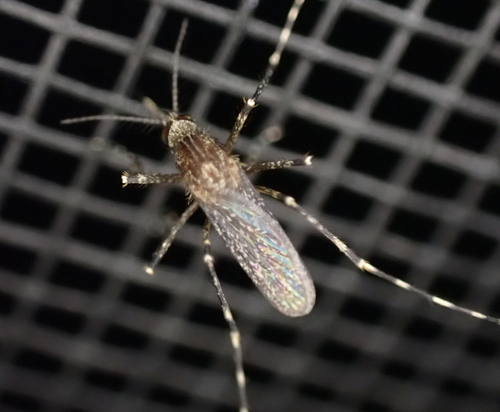
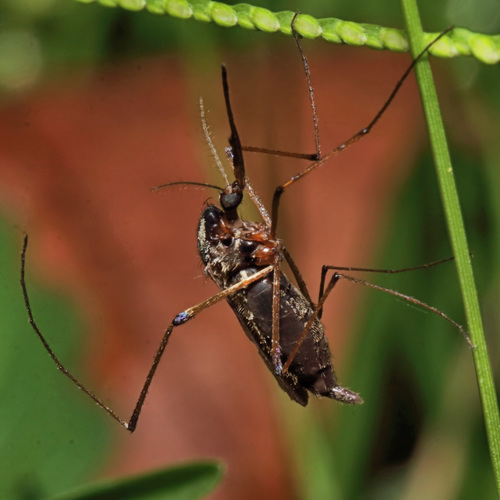
Aedes vexans, commonly known as the inland floodwater mosquito or tomguito, is a widespread and frequently encountered pest mosquito with a cosmopolitan distribution, occurring across North America, Europe, Asia, and Africa.
The adult female A. vexans is characterized by a bandless proboscis with white ventral scales, short, brown scales on the scutum, and B-shaped markings (when viewed from the side) on each abdominal tergite. Only females take blood meals, showing a preference for humans and cattle, while males feed exclusively on nectar, honeydew, and sap—sources that females also utilize, though infrequently. This species is commonly found in habitats such as grassy pools, partially shaded woodland pools, roadside ditches, and cultivated fields.
After a blood meal, the female A. vexans deposits her eggs in areas prone to flooding, where they remain dormant until inundated, triggering hatching. In temperate regions, larvae are present from April to September, and adults are active from May to October.
A. vexans is a recognized vector for several pathogens: Dirofilaria immitis (dog heartworm), transmitted to canines. Tahyna... Wikipedia →