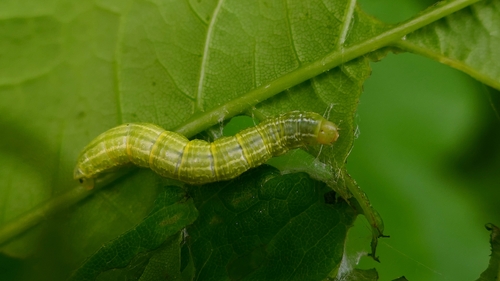
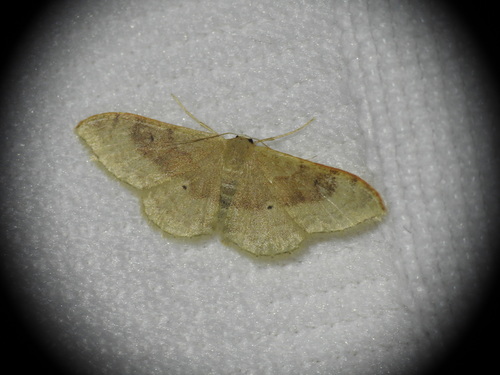
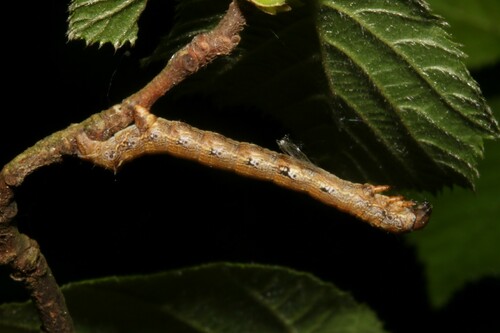
March Moth

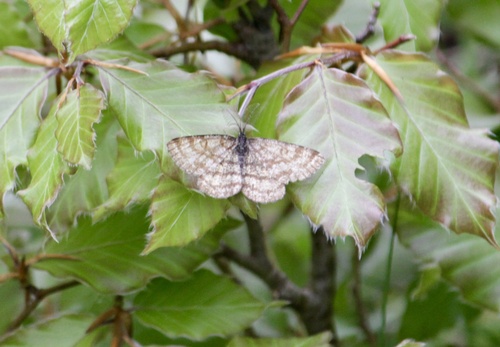
March Moth

Alsophila aescularia

Daily sighting probability <5% · Rare
at Paris

In 3 days ~10% in a week ~20%

7 Verified sightings at Paris
26 In all 3 parks From 2019 to 2026
February Best month
☀️🌙 Day & Night When it's spotted

About the March Moth

Alsophila aescularia, the March moth, is a species of moth of the family Geometridae. It is found throughout Europe and can be a pest of fruit trees. It is a well-known species distributed throughout the western Palearctic region except northern Europe, Corsica, Malta, Albania, and the Greek Islands. A few isolated populations live outside of Europe in northern and eastern Turkey, Caucasus, Transcaucasus, and Turkmenistan. Alsophila aescularia has also been reported to exist in the Hyrcanian relic temperate deciduous forests of Iran along the northern slopes of Alborz Mountain Range, called the Caspian Forest.

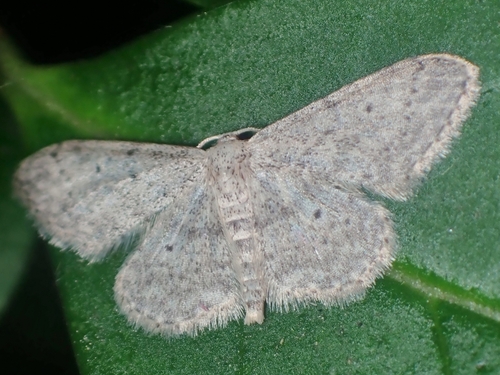
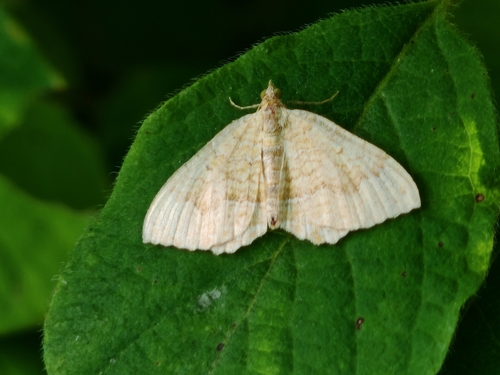
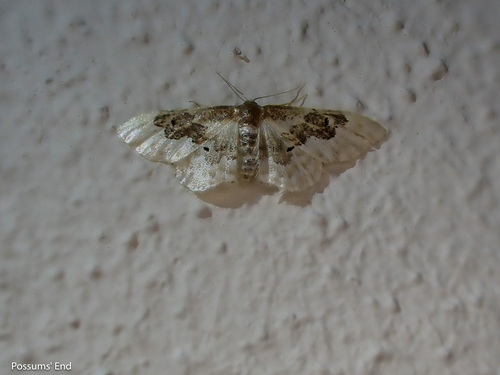
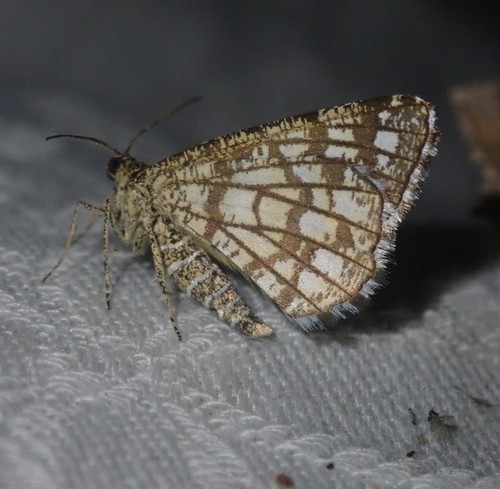
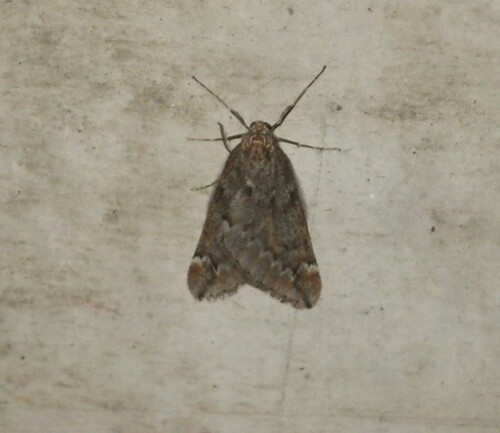
The wingspan is 25–35 mm. The colour of the forewings varies between pale brownish and grayish brown. There is a well-defined usually dark brown central band. The lines are sharply toothed and on the opposite side to the band they are whitish. A prominent black dot is present on the hind wings. Darkened specimens are rare. In these the lines are extinguished or the butterfly is completely black. The females have no wings and are eight to ten millimeters long. The abdomen is brownish grey, the abdominal hair tuft is about two millimeters wide... Wikipedia →

Global Distribution

Parks Where Found

# Park Country Daily sighting probability
1 Snowdonia National Park 🇬🇧 United Kingdom
~10%
2 Sierra de Guadarrama National Park 🇪🇸 Spain
<5%
3 Pyrénées National Park 🇫🇷 France
<5%

Cities Where Found

# City Country Daily sighting probability
1 Prague 🇨🇿 Czechia
~10%
2 Liverpool 🇬🇧 United Kingdom
<5%
3 Rotterdam [The Hague] 🇳🇱 Netherlands
<5%
4 London 🇬🇧 United Kingdom
<5%
5 Vienna 🇦🇹 Austria
<5%
6 Paris 🇫🇷 France
<5%
7 Moscow 🇷🇺 Russia
<5%

Before you go

What are the chances of seeing a March Moth in Paris?

Rare

Under 5% of wildlife watchers report a March Moth sighting in Paris on a given day, based on 7 verified sightings from GBIF citizen-science data. It is the 743rd most-seen of the 916 insects we can rate there. Over three days the chance rises to about 10%, and over a week to about 20%, if each day is a fresh chance.

When is the best time to see a March Moth in Paris?

February and March

In those months about 10% of wildlife watchers report a March Moth in Paris on a given day, against under 5% in April to January, the lowest months.

What time of day is best to see a March Moth?

Between 10 pm and 1 am

Across all the parks we cover, that three-hour window holds the most March Moth sightings with a recorded time, and about 6 in 10 of them come between 6 pm and 6 am: it is seen both by day and at night.

Is Paris the best place to see a March Moth?

6th of 7

Of the 7 cities where we can rate March Moth sightings, Paris ranks 6th at under 5%. The best odds are in Prague (Czechia, about 10%), Liverpool (United Kingdom, under 5%) and Rotterdam [The Hague] (Netherlands, under 5%).

Which relatives of the March Moth live in Paris?

Same family: Geometridae

The closest relatives of the March Moth that you can see in Paris (family Geometridae, Geometer Moths) are Mottled Umber (about 10%), Small Dusty Wave (about 10%) and Double-Striped Pug (about 10%), with each one's daily chance of a sighting.

Where does the March Moth sighting chance come from?

GBIF citizen-science records

It is estimated from how often the March Moth is recorded against all the insects logged in Paris (7 verified sightings), calibrated against known sighting rates. Figures are rounded to the nearest 10% because citizen-science data supports honest approximations, not decimals, and months with records from fewer than five people show "—". How it works.
← Back to Paris