Red-Headed Ash Borer

Red-Headed Ash Borer

Neoclytus acuminatus

Daily sighting probability <5% · Rare
at Portland

In 3 days ~10% in a week ~30%

28 Verified sightings at Portland
July Best month

About the Red-Headed Ash Borer

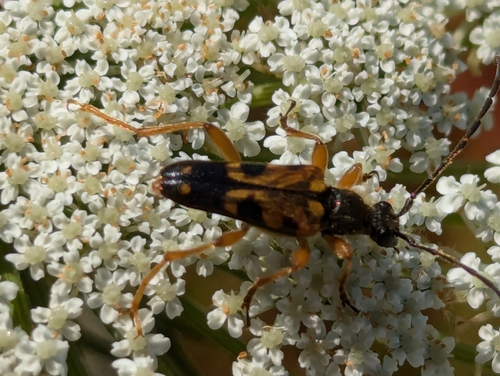
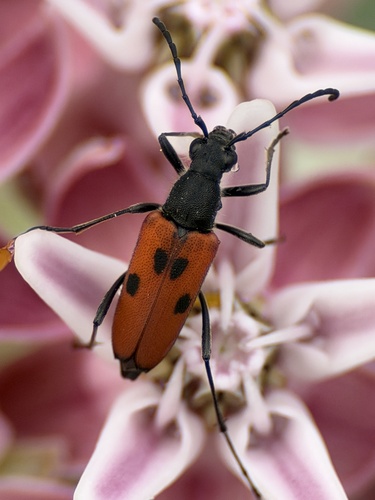
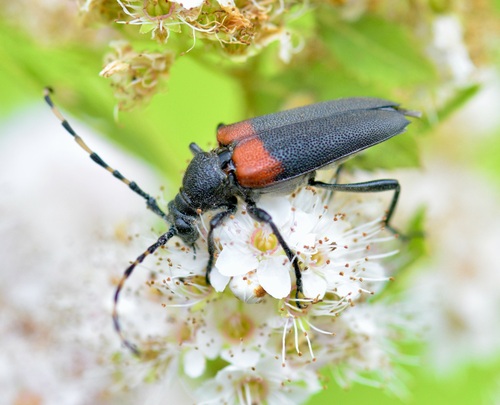
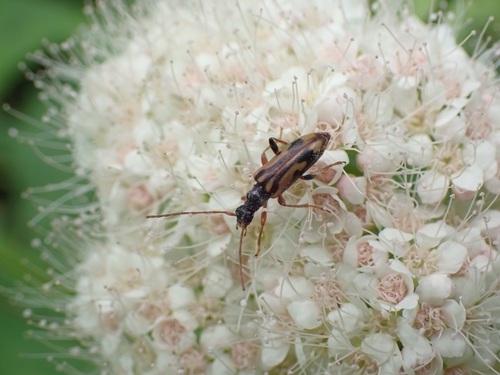
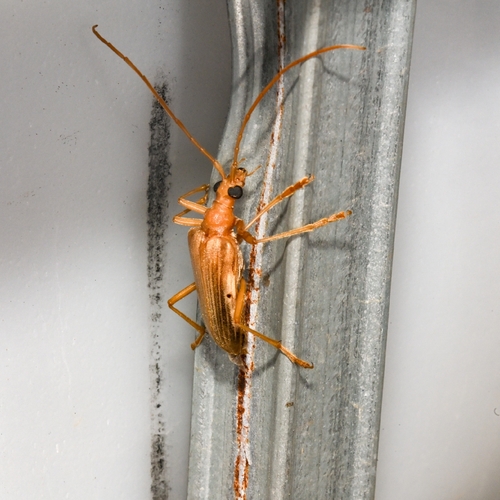
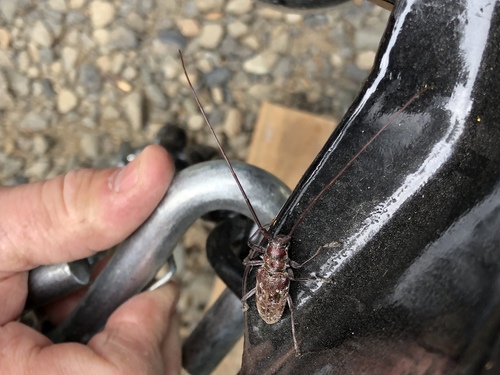
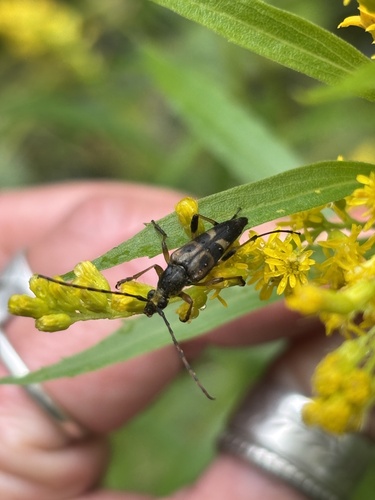
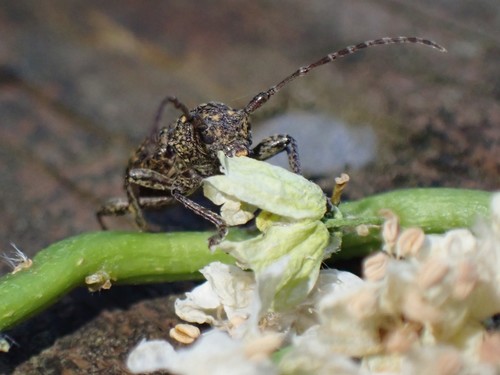
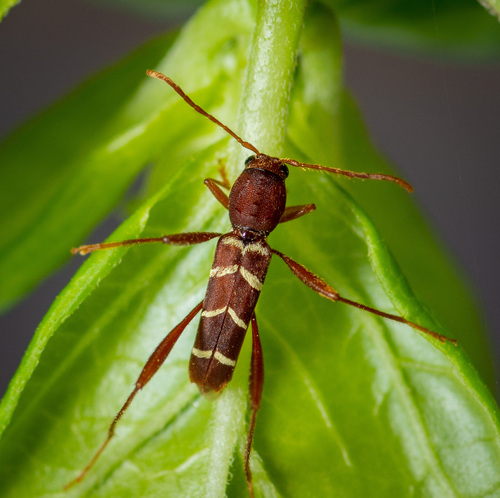
Neoclytus acuminatus, the red-headed ash borer, is a common North American species in the longhorn beetle family (Cerambycidae). Red-headed ash borers typically reach 12–16 mm (0.47–0.63 in) adult length, have long antennae which are thickened towards the tips, and have the rear and middle pairs of legs elongated. The reddish-brown coloration with four bands of contrasting yellow stripes and the general body shape mimics wasps, which is a common survival tactic among cerambycids.

Adults emerge from infested trees in early spring, typically ash, hickory and oak, but also use other hardwoods and sometimes shrubs and woody vines. The larvae feed on the sapwood of dead trees, with several generations possible over the summer before overwintering again, probably in the pupal stage.

The red-headed ash borer usually develops in recently dead or dying hardwood trees, so the most common impact on humans is damage to felled trees intended for hardwood lumber or firewood. These insects are commonly brought into homes with firewood and may emerge, but do no physical damage to the home. This species has been known to infest weak or newly planted living... Wikipedia →
Global Distribution

Parks Where Found

# Park Country Daily sighting probability

More parks will be added in future updates.

Cities Where Found

# City Country Daily sighting probability
1 Portland 🇺🇸 United States
<5%
2 Dallas 🇺🇸 United States
<5%
3 Salt Lake City 🇺🇸 United States
<5%
4 Sacramento 🇺🇸 United States
<5%
5 Baltimore 🇺🇸 United States
<5%
6 Austin 🇺🇸 United States
<5%
7 Philadelphia 🇺🇸 United States
<5%
8 San Antonio 🇺🇸 United States
<5%
9 Houston 🇺🇸 United States
<5%
10 Minneapolis [Saint Paul] 🇺🇸 United States
<5%

Before you go

What are the chances of seeing a Red-Headed Ash Borer in Portland?

Rare

Under 5% of wildlife watchers report a Red-Headed Ash Borer sighting in Portland on a given day, based on 28 verified sightings from GBIF citizen-science data. It is the 177th most-seen of the 507 insects we can rate there. Over three days the chance rises to about 10%, and over a week to about 30%, if each day is a fresh chance.

When is the best time to see a Red-Headed Ash Borer in Portland?

June and July

In those months about 10% of wildlife watchers report a Red-Headed Ash Borer in Portland on a given day, against under 5% in August to May, the lowest months. Those are among Portland's driest months, with about 35 mm of rain a month against 250 mm in December.

Is Portland the best place to see a Red-Headed Ash Borer?

Yes

Of the 18 cities where we can rate Red-Headed Ash Borer sightings, Portland has the highest daily chance: under 5%. Next come Dallas (United States, under 5%) and Salt Lake City (United States, under 5%).

Which relatives of the Red-Headed Ash Borer live in Portland?

Same family: Cerambycidae

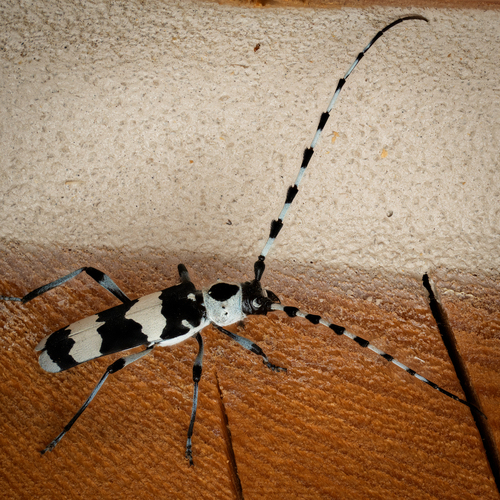
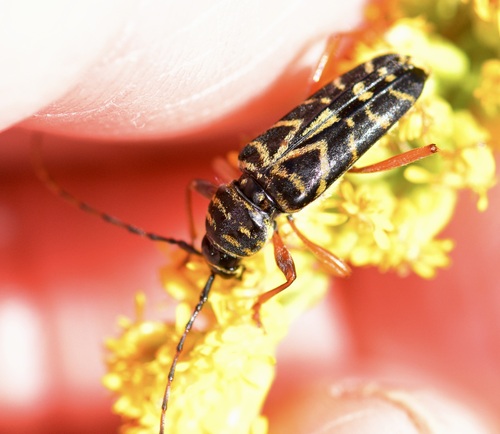
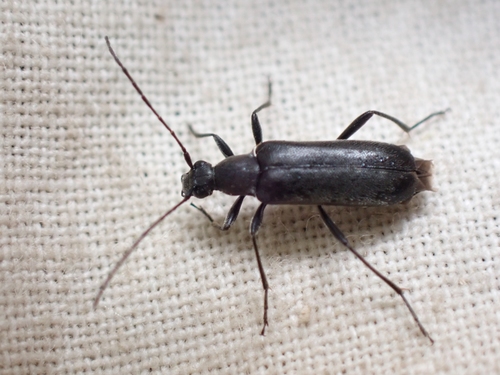
The closest relatives of the Red-Headed Ash Borer that you can see in Portland (family Cerambycidae, Longhorn Beetles) are Banded Alder Borer (about 10%), Xestoleptura crassipes (about 10%) and Locust Borer (about 10%), with each one's daily chance of a sighting.

Where does the Red-Headed Ash Borer sighting chance come from?

GBIF citizen-science records

It is estimated from how often the Red-Headed Ash Borer is recorded against all the insects logged in Portland (28 verified sightings), calibrated against known sighting rates. Figures are rounded to the nearest 10% because citizen-science data supports honest approximations, not decimals, and months with records from fewer than five people show "—". How it works.

← Back to Portland