Mournful Duskywing

Mournful Duskywing

Erynnis tristis

Daily sighting probability ~20% · Possible
at Sacramento

In 3 days ~50% in a week ~80%

271 Verified sightings at Sacramento
84 In all 4 parks From 2019 to 2026
July Best month
☀️ Diurnal When it's spotted

About the Mournful Duskywing

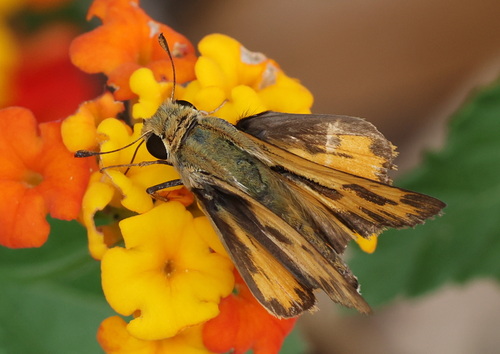
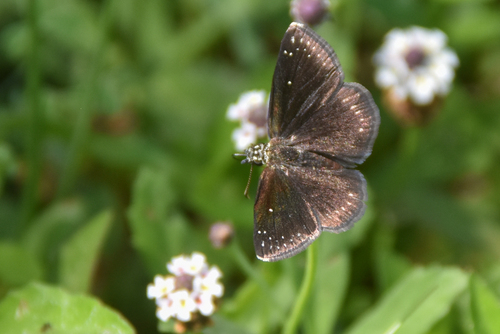
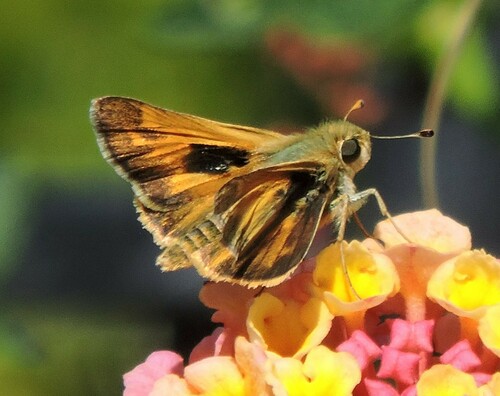
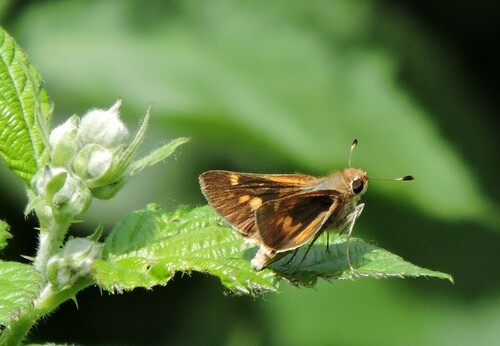
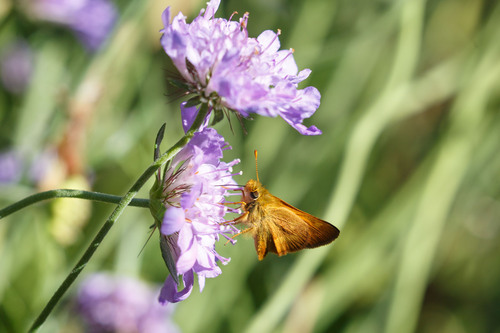
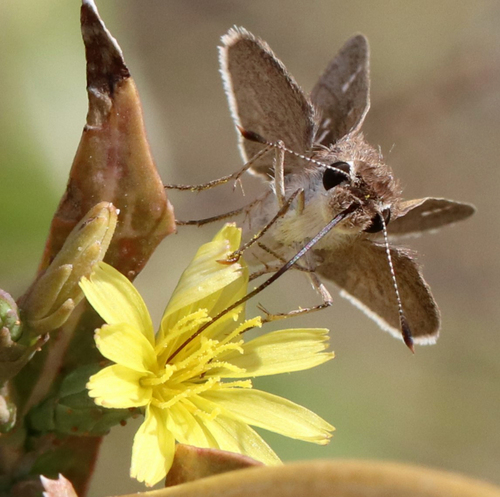
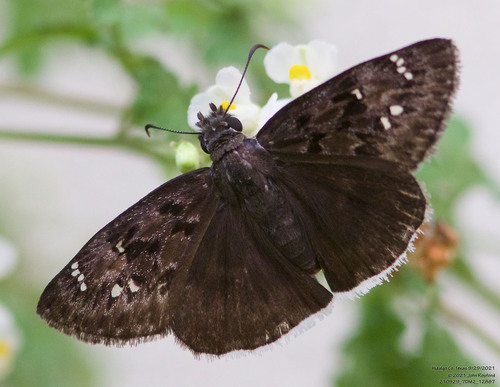
Erynnis tristis, commonly known as the mournful duskywing, is a species of spread-wing skipper in the butterfly family Hesperiidae that is commonly found in North America in oak woodlands. It is mottled brown with a white fringe on the hind wings. It is commonly mistaken for Erynnis funeralis due to both species having a white fringe on the hindwing. Erynnis tristis relies heavily on a variety of oak species as a hostplant, where the larvae feed on oak while the adults nectar from a variety of wild and garden flowers. This butterfly mates through hill-topping, where males perch on various objects to attract females.

The spherical eggs are laid on the terminal end of a hostplant. While initially yellow, the eggs will turn deep orange with maturation. Rather than being laid in clusters or groups, females will lay their eggs singly in separate locations. Once the egg progresses to the larval stage, the larvae are gray-green, covered with white spots throughout its body, and has lateral yellow stripes. The head has a brown coloration. The pupa are gray-green and are hairy.

The majority of the vestiture on the wings of the adults consists of primarily a brown coloration... Wikipedia →
Global Distribution

Parks Where Found

# Park Country Daily sighting probability
1 Big Bend National Park 🇺🇸 United States
~10%
2 Channel Islands National Park 🇺🇸 United States
~10%
3 Cumbres de Monterrey National Park 🇲🇽 Mexico
~10%
4 Sequoia and Kings Canyon National Parks 🇺🇸 United States
~10%

Cities Where Found

# City Country Daily sighting probability
1 Sacramento 🇺🇸 United States
~20%
2 Los Angeles 🇺🇸 United States
~10%
3 Monterrey 🇲🇽 México
~10%
4 San Francisco 🇺🇸 United States
<5%
5 San Diego 🇺🇸 United States
<5%
6 San Antonio 🇺🇸 United States
<5%
7 Mexico City 🇲🇽 México
<5%

Before you go

What are the chances of seeing a Mournful Duskywing in Sacramento?

Possible

About 20% of wildlife watchers report a Mournful Duskywing sighting in Sacramento on a given day, based on 271 verified sightings from GBIF citizen-science data. It is the 15th most-seen of the 386 insects we can rate there. Over three days the chance rises to about 50%, and over a week to about 80%, if each day is a fresh chance.

When is the best time to see a Mournful Duskywing in Sacramento?

July

In that month about 40% of wildlife watchers report a Mournful Duskywing in Sacramento on a given day, against under 5% in November to February, the lowest months. That is one of Sacramento's driest months, with almost no rain against 120 mm in December.

What time of day is best to see a Mournful Duskywing?

Between 10 am and 1 pm

Across all the parks we cover, that three-hour window holds the most Mournful Duskywing sightings with a recorded time, and nearly all of them come between 6 am and 6 pm: it is a daytime animal.

Is Sacramento the best place to see a Mournful Duskywing?

Yes

Of the 7 cities where we can rate Mournful Duskywing sightings, Sacramento has the highest daily chance: about 20%. Next come Los Angeles (United States, about 10%) and Monterrey (México, about 10%).

Which relatives of the Mournful Duskywing live in Sacramento?

Same family: Hesperiidae

The closest relatives of the Mournful Duskywing that you can see in Sacramento (family Hesperiidae, Skippers) are Fiery Skipper (about 20%), Common Checkered-Skipper (about 10%) and Common Sootywing (about 10%), with each one's daily chance of a sighting.

Where does the Mournful Duskywing sighting chance come from?

GBIF citizen-science records

It is estimated from how often the Mournful Duskywing is recorded against all the insects logged in Sacramento (271 verified sightings), calibrated against known sighting rates. Figures are rounded to the nearest 10% because citizen-science data supports honest approximations, not decimals, and months with records from fewer than five people show "—". How it works.

← Back to Sacramento