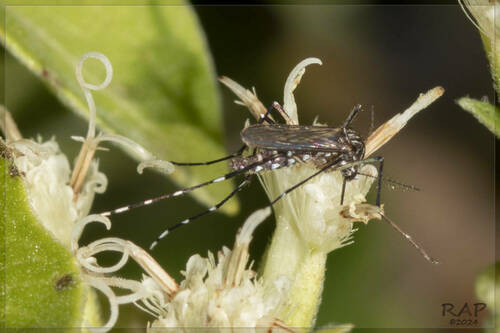
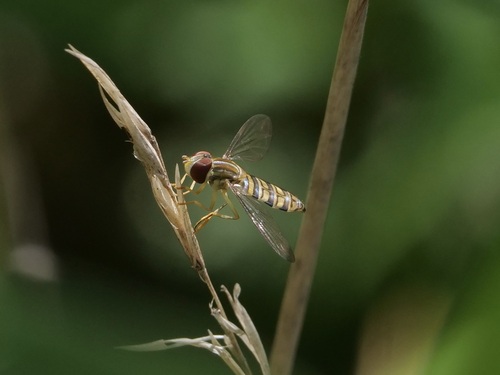
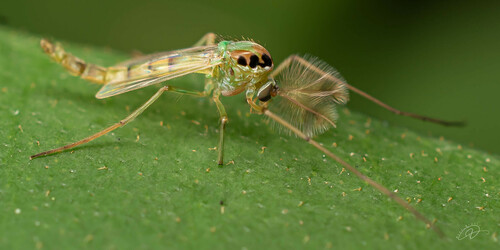
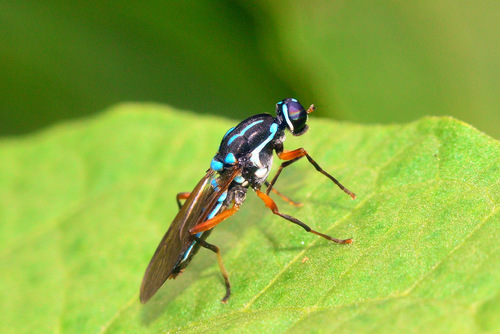
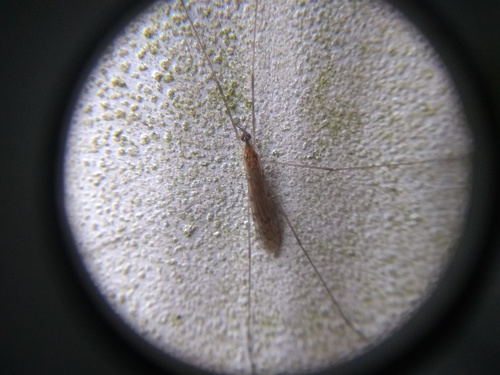
Australian Sheep Blow Fly

Australian Sheep Blow Fly

Lucilia cuprina

Daily sighting probability <5% · Rare
at São Paulo

In 3 days ~10% in a week ~20%

11 Verified sightings at São Paulo
9 In 1 park From 2019 to 2026
February Best month
☀️ Diurnal When it's spotted

About the Australian Sheep Blow Fly

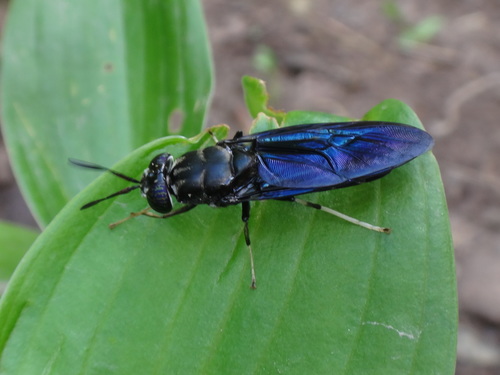
Lucilia cuprina, formerly named Phaenicia cuprina, the Australian sheep blowfly is a blow fly in the family Calliphoridae. It causes the condition known as "fly strike" (myiasis). The female fly locates a sheep with ideal conditions, such as an open wound or a build-up of faeces or urine in the wool, in which she lays her eggs. The emerging larvae cause large lesions on the sheep, which may prove to be fatal.

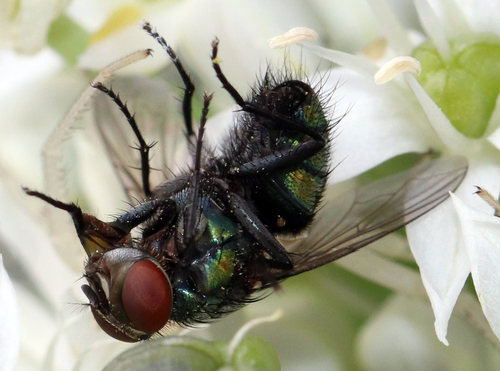
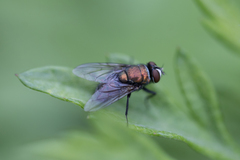
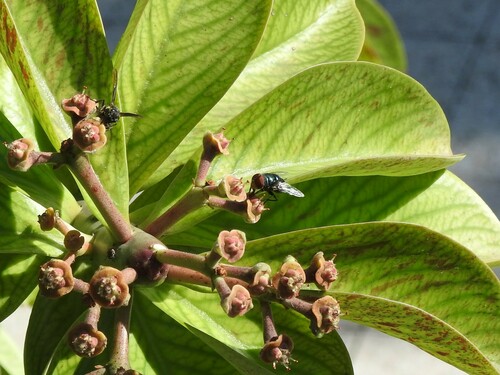
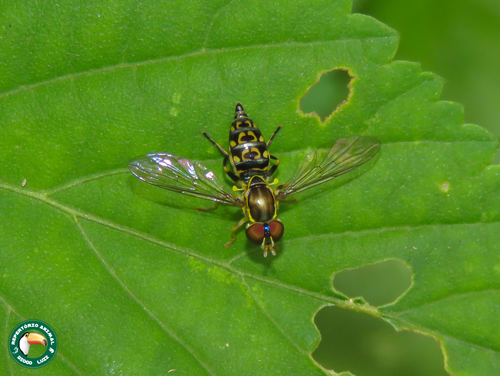
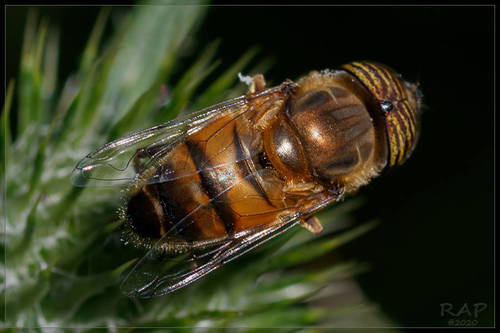
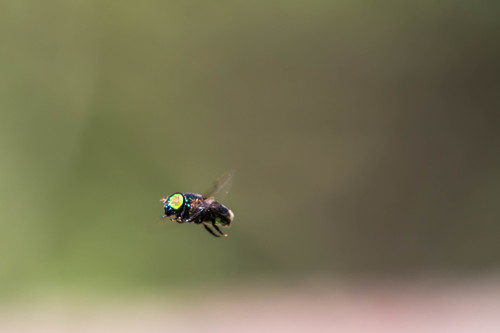
L. cuprina is a species of blow fly characterized by a metallic outer appearance and reddish eyes. They usually have a shiny green or greenish/blue abdomen with bronze/coppery reflections. Because of this, Lucilia species are known as the bronze bottle flies. Their body shape is round to oval and their length varies from 4.5–10 mm. They have two pairs of wings, the first pair being membranous wings and the second pair being reduced wings known as halteres, which are used for flight stabilization. Adults are easy to distinguish due to bristles on the meron, in addition to the arista, the prominent hair on the terminal antennal segment being plumose, or feathery. L. cuprina is most easily identified by its strong dorsal setae and black thoracic spiracle. It is almost... Wikipedia →

Global Distribution

Parks Where Found

# Park Country Daily sighting probability
1 Cumbres de Monterrey National Park 🇲🇽 Mexico
<5%

More parks will be added in future updates.

Cities Where Found

# City Country Daily sighting probability
1 Caracas 🇻🇪 Venezuela
~10%
2 Zhuhai [Macau] 🇨🇳 China
~10%
3 Tel Aviv 🇮🇱 Israel
~10%
4 Monterrey 🇲🇽 México
~10%
5 Austin 🇺🇸 United States
~10%
6 San Antonio 🇺🇸 United States
~10%
7 Dallas 🇺🇸 United States
<5%
8 San Diego 🇺🇸 United States
<5%
9 Miami 🇺🇸 United States
<5%
10 San José 🇨🇷 Costa Rica
<5%

Before you go

What are the chances of seeing an Australian Sheep Blow Fly in São Paulo?

Rare

Under 5% of wildlife watchers report an Australian Sheep Blow Fly sighting in São Paulo on a given day, based on 11 verified sightings from GBIF citizen-science data. It is the 502nd most-seen of the 832 insects we can rate there. Over three days the chance rises to about 10%, and over a week to about 20%, if each day is a fresh chance.

When is the best time to see an Australian Sheep Blow Fly in São Paulo?

February

In that month about 10% of wildlife watchers report an Australian Sheep Blow Fly in São Paulo on a given day, against under 5% in March to January, the lowest months. That is one of São Paulo's wettest months, with about 180 mm of rain against 35 mm in August.

What time of day is best to see an Australian Sheep Blow Fly?

Between 5 and 8 am

Across all the parks we cover, that three-hour window holds the most Australian Sheep Blow Fly sightings with a recorded time, and about 8 in 10 of them come between 6 am and 6 pm: it is a daytime animal.

Is São Paulo the best place to see an Australian Sheep Blow Fly?

16th of 21

Of the 21 cities where we can rate Australian Sheep Blow Fly sightings, São Paulo ranks 16th at under 5%. The best odds are in Caracas (Venezuela, about 10%), Zhuhai [Macau] (China, about 10%) and Tel Aviv (Israel, about 10%).

Where does the Australian Sheep Blow Fly sighting chance come from?

GBIF citizen-science records

It is estimated from how often the Australian Sheep Blow Fly is recorded against all the insects logged in São Paulo (11 verified sightings), calibrated against known sighting rates. Figures are rounded to the nearest 10% because citizen-science data supports honest approximations, not decimals, and months with records from fewer than five people show "—". How it works.

← Back to São Paulo