










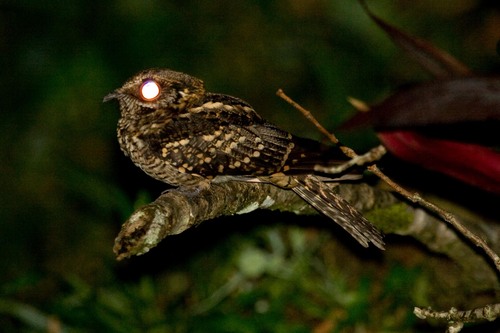

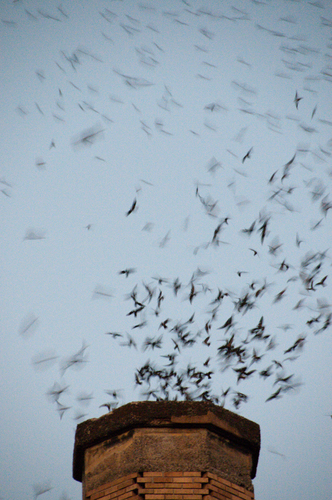


All 5 in 3 days here: ~90%
City
Caracas
🇻🇪 Venezuela
South America, Venezuela 459 spp. recorded
Caracas, officially Santiago de León de Caracas, is the capital and largest city of Venezuela, and the center of the Metropolitan Region of Caracas. It is located along the Guaire River in the northern part of Venezuela, within the Caracas Valley of the Venezuelan coastal mountain range. The valley is close to the Caribbean Sea. Wikipedia
10.472° N 66.880° W
🦜 Nature

459 Species sighted
307,044 Verified sightings From 2019 to 2026
Apr Best month
⭐ Iconic Species
📊 Most Spotted
📊 Most Spotted

LC
 Crab-eating Fox
Cerdocyon thous

LC
 Spotted Paca
Cuniculus paca

LC
 Nine-banded Armadillo
Dasypus novemcinctus

LC
 Proboscis Bat
Rhynchonycteris naso

EN
 brown weeper capuchin
Cebus brunneus
⭐ Iconic Species
📊 Most Spotted
⭐ Iconic Species
📊 Most Spotted
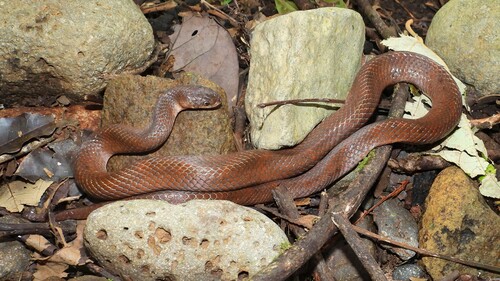
LC
 Degenhardt's Scorpion-eating Snake
Stenorrhina degenhardtii

LC
 Redtail Coralsnake
Micrurus mipartitus

LC
 Boa Constrictor
Boa constrictor

LC
 Forest Flame Snake
Oxyrhopus petolarius
📊 Most Spotted

LC
 Whistling Grass Frog
Leptodactylus fuscus
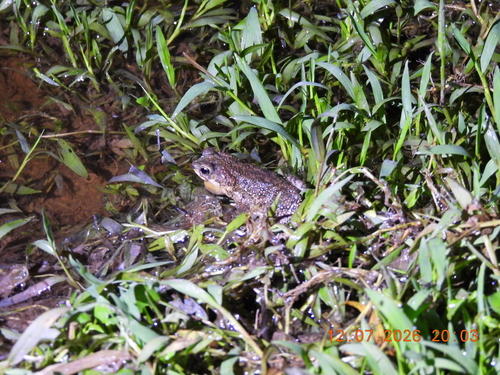
LC
 Beebe's Toad
Rhinella beebei
📊 Most Spotted
🌙 Most active after dark
LC
Crab-eating Fox
Cerdocyon thous

LC
 Common House Gecko
Hemidactylus frenatus
LC
Whistling Grass Frog
Leptodactylus fuscus
Challenges you can complete here
Recent sightings in Caracas
LIVEiNaturalistWhere to look
Warmer areas are where all species together are recorded most often.
-
Universidad Central de Venezuela, Caracas
-
Manzanares · Parque Francisco Yepez Tamayo
-
Circulo Militar (El Laguito)
-
El Encantado (Antigua Hacienda)
-
Plaza Bolivar de Chacao
-
Parque El Calvario (Ezequiel Zamora)


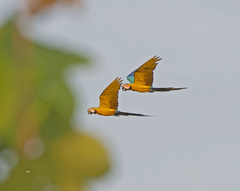

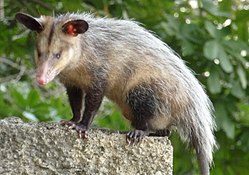


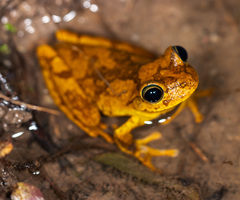


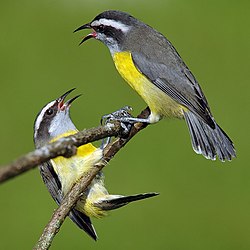



Sighting Calendar
How many species you'd see in a day
34Jan
32Feb
32Mar
38Apr
36May
37Jun
37Jul
36Aug
35Sep
37Oct
34Nov
33Dec
🏙️ City
Essentials
Green cover
High
Protected land
97%
Protected sea
—
Protected areas
11
areasWildlife spots
12
spotsZoos & centres
2
placesClimate
Tropical savanna
Climate
Temp °C Rain mm
JanFebMarAprMayJunJulAugSepOctNovDec
Zoos & rescue centres


0.0 World-class
Wallace's Line Score
How good is this city for seeing wildlife? 🦜
Biodiversity
ExcellentHow rich is the wildlife?
5.0
Species by taxon
🦅 Birds 718
🐒 Mammals 219
🦎 Reptiles 130
🐸 Amphibians 49
1116 Total Species
679 Global average across 380 cities
34 Threatened 18 Endemic
🔭
Sighting
ExcellentHow likely to see animals?
4.4
🎯
Top-12 Avg Probability
70% 📊
Coverage (115 species at ≥5% of 1116 in the inventory)
10% 🔀
Taxon variety in top 12 (12 bird)
0% 🌟
Iconic-group species (≥15%) (every species from the 19 iconic groups — monkeys, cats, toucans, macaws, sloths, crocodilians… — not just the 4 highlighted above)
9 ⭐
High-prob species (>40%)
21 🏕️
Experience
ExcellentHow easy and pleasant is the visit?
5.0
Climate Pleasant High
Green cover High High
Protected land & sea 97% land High
Protected areas 11 High
Wildlife spots 12 High
Zoos & centres 2 High
What visitors say
Before you go
What animals can you see in Caracas?
459 species
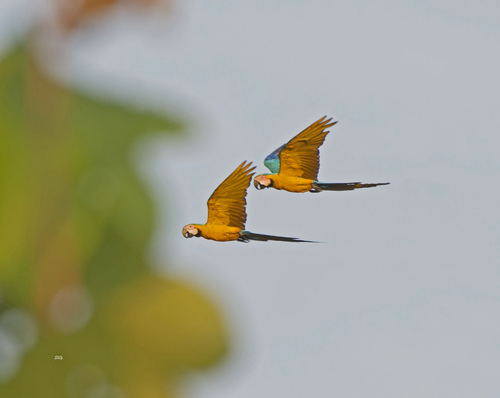
Caracas's urban area has 459 recorded vertebrate species. The ones wildlife watchers report most often on a given day are Black Vulture (about 90%), Blue-gray Tanager (about 90%), Tropical Kingbird (about 80%), Blue-and-yellow Macaw (about 80%) and Southern House Wren (about 80%). Among mammals, the most-seen is Red-tailed Squirrel (about 20%); among reptiles, Wiegmann's Striped Gecko (about 50%); among amphibians, Johnstone's Whistling Frog (about 20%).
When is the best time to see wildlife in Caracas?
Any time of year
Wildlife is about as easy to see all year: the city's 12 most-seen species average about 70% on a given day in every month with enough records.
Can you see a Blue-and-yellow Macaw in Caracas?
Yes
About 80% of wildlife watchers report a Blue-and-yellow Macaw sighting in Caracas on a given day, based on 13,215 verified sightings from GBIF citizen-science data from 2019 to 2026.
Can you see a Chestnut-fronted Macaw in Caracas?
Yes
About 70% of wildlife watchers report a Chestnut-fronted Macaw sighting in Caracas on a given day, based on 10,644 verified sightings from GBIF citizen-science data from 2019 to 2026. The best time is February (about 80%).
Can you see a Copper-rumped Hummingbird in Caracas?
Yes
About 50% of wildlife watchers report a Copper-rumped Hummingbird sighting in Caracas on a given day, based on 4,567 verified sightings from GBIF citizen-science data from 2019 to 2026. The best time is September (about 60%).
Where in Caracas is wildlife easiest to see?
Parque del Este
The spot where most wildlife watchers record their sightings is Parque del Este (199 bird species recorded), followed by Parque Los Caobos and Parque Simon Bolivar. See them on the map.
Is Caracas good for wildlife watching?
4.6 out of 5
On the Wallace's Line Score, which rates each city against other cities, Caracas gets 4.6/5: 69th of 380 cities worldwide and 16th in South America. 23 of its species are reported by about 40% or more of wildlife watchers on a given day.
Nearest Cities


Nearest Parks


Nearest Zoos & Centres


Sources: urban area GHSL Urban Centre Database R2024A, European Commission JRC (CC BY 4.0) · protected land WDPA, UNEP-WCMC & IUCN (via GHSL) · climate NASA POWER · wildlife GBIF.org citizen-science data