Japanese Serow

Japanese Serow

Capricornis crispus

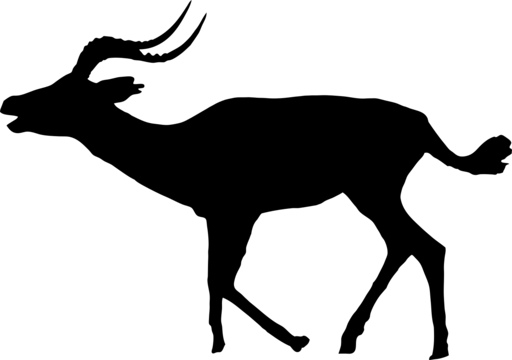
Silhouette: [unknown] · PhyloPic

LCLeast ConcernNTVUENCR Endemic
Daily sighting probability ~30% · Possible
at Sendai

In 3 days ~60% in a week ~90%

34 Verified sightings at Sendai
May Best month
☀️ Diurnal When it's spotted

About the Japanese Serow

The Japanese serow (氈鹿, kamoshika; lit. "coarse pelt deer") (Capricornis crispus) (羚羊) is a Japanese goat-antelope, an even-toed ungulate. It is found in dense woodland in Japan, primarily in northern and central Honshu. The serow is seen as a national symbol of Japan, and is subject to protection in conservation areas.

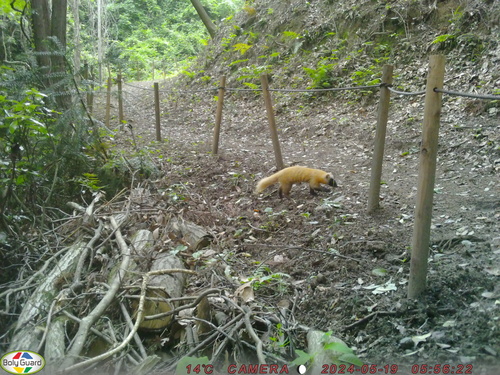
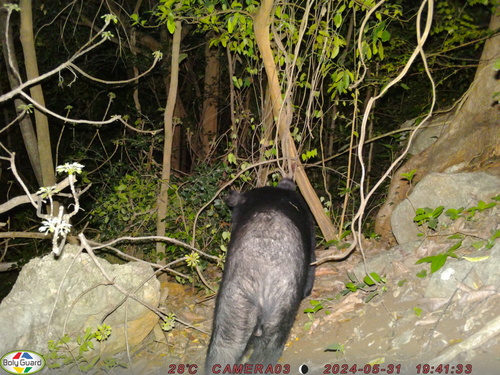
Adult Japanese serow stand about 81 centimetres (32 in) tall and weigh 30–45 kg (66–99 lb). They are black to whitish, and colouring lightens in summer. The fur is very bushy, especially the tail. Both sexes have short, backwards-curving horns, and are difficult to distinguish by sight. Japanese serow are found in dense mountain forests where they eat leaves, shoots, and acorns. They are diurnal and feed in early mornings and late afternoons. Serows are solitary, or gather in couples or small family groups. The animal marks its territory with sweet-and-sour-smelling preorbital gland secretions, and males and females have separate territories that may overlap.

In the mid-20th century, the Japanese serow was hunted to near-extinction. In 1955, the Japanese government passed a law designating it a "Special National Monument" to protect it from poachers. Populations have since grown so greatly that the IUCN Red List of Threatened Animals ranks it "least concern". In 1979, complaints from foresters and farmers led to the repeal of the 1955 law. Since then, the serow has had protected status in 13 designated protected areas over 23 prefectures, and has been subject to culling as a pest outside conservation areas. Conservationists have labelled it a "living national treasure of the forest". Wikipedia →

Global Distribution

Parks Where Found

# Park Country Daily sighting probability

More parks will be added in future updates.

Cities Where Found

# City Country Daily sighting probability
1 Sendai 🇯🇵 Japan
~30%

Zoos & Centres Where Found

# Zoo / Centre Country
1 Granby Zoo 🇨🇦 Canada In captivity
2 Berlin Zoological Garden 🇩🇪 Germany In captivity
3 Calgary Zoo 🇨🇦 Canada In captivity
4 Ueno Zoo 🇯🇵 Japan In captivity
5 Inokashira Park Zoo 🇯🇵 Japan In captivity
6 Ueno Zoological Gardens (West Garden) 🇯🇵 Japan In captivity
7 Iida City Zoo 🇯🇵 Japan In captivity
8 Aquarium Berlin 🇩🇪 Germany In captivity

Before you go

What are the chances of seeing a Japanese Serow in Sendai?

Possible

About 30% of wildlife watchers report a Japanese Serow sighting in Sendai on a given day, based on 34 verified sightings from GBIF citizen-science data. It is the 7th most-seen of the 11 mammals we can rate there. Over three days the chance rises to about 60%, and over a week to about 90%, if each day is a fresh chance.

When is the best time to see a Japanese Serow in Sendai?

May and June

In those months about 40% of wildlife watchers report a Japanese Serow in Sendai on a given day, against under 5% in December, the lowest month.

What time of day is best to see a Japanese Serow?

Between 11 am and 2 pm

Across all the parks we cover, that three-hour window holds the most Japanese Serow sightings with a recorded time, and about 8 in 10 of them come between 6 am and 6 pm: it is a daytime animal.

Where else can you see a Japanese Serow?

Only Sendai, in our data

Sendai is the only city on Wallace's Line with enough records to rate Japanese Serow sightings: about 30% of wildlife watchers there report one on a given day.

Where does the Japanese Serow sighting chance come from?

GBIF citizen-science records

It is estimated from how often the Japanese Serow is recorded against all the mammals logged in Sendai (34 verified sightings), calibrated against known sighting rates. Figures are rounded to the nearest 10% because citizen-science data supports honest approximations, not decimals, and months with records from fewer than five people show "—". How it works.

← Back to Sendai