City
Shymkent
🇰🇿 Kazakhstan
Asia, Kazakhstan 98 spp. recorded
Shymkent is a city in southern Kazakhstan, close to the border with Uzbekistan. Shymkent is the third-largest city in Kazakhstan, and serves as a regional cultural and economic center. The city also hosts Shymkent International Airport, which connects to various domestic and international destinations. Wikipedia
42.338° N 69.606° E
🦜 Nature

98 Species sighted
322 Verified sightings From 2019 to 2026
Apr Best month
⭐ Iconic Species


📊 Most Spotted




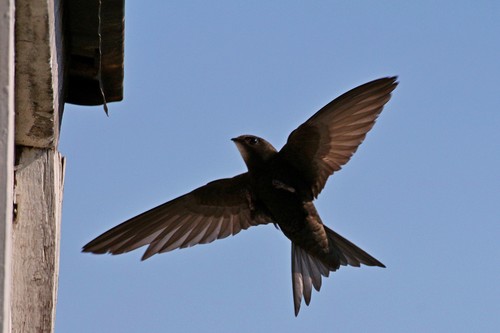

📊 Most Spotted

LC
 Eurasian Red Squirrel
Sciurus vulgaris

LC
 Long-eared Hedgehog
Hemiechinus auritus

LC
Yellow Ground Squirrel
Spermophilus fulvus

LC
 Muskrat
Ondatra zibethicus
⭐ Iconic Species
📊 Most Spotted
⭐ Iconic Species
📊 Most Spotted
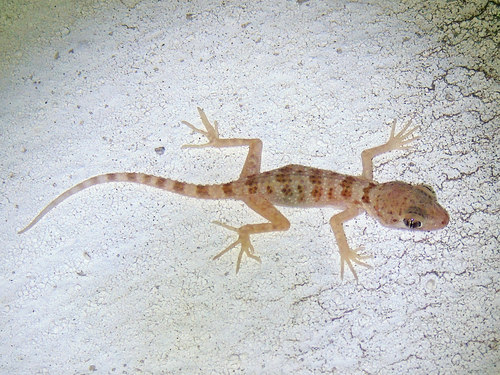
LC
Bogdanov’s thin-toed gecko
Tenuidactylus bogdanovi
📊 Most Spotted
📊 Most Spotted
🌙 Most active after dark
LC
Long-eared Hedgehog
Hemiechinus auritus

LC
 Blyth's Reed Warbler
Acrocephalus dumetorum

LC
 Eurasian Scops Owl
Otus scops

LC
 Common Nightingale
Luscinia megarhynchos

LC
 Eastern Buzzard
Buteo japonicus
Recent sightings in Shymkent
LIVEiNaturalistSighting Calendar
How many species you'd see in a day
5.3Jan
—
No data
Feb1.5Mar
5.5Apr
2.4May
1.3Jun
1.4Jul
2.4Aug
2.4Sep
1.7Oct
1.3Nov
2Dec
🏙️ City
Essentials
Green cover
Low
Protected land
—
Protected sea
—
Protected areas
—
Wildlife spots
0
spotsZoos & centres
1
placesClimate
Continental
World Heritage
No
Climate
Temp °C Rain mm
JanFebMarAprMayJunJulAugSepOctNovDec
Zoos & rescue centres

0.0 Moderate
Wallace's Line Score
How good is this city for seeing wildlife? 🦜
Biodiversity
GoodHow rich is the wildlife?
3.0
Species by taxon
🦅 Birds 325
🐒 Mammals 61
🦎 Reptiles 29
🐸 Amphibians 2
417 Total Species
679 Global average across 380 cities
23 Threatened 0 Endemic
🔭
Sighting
GoodHow likely to see animals?
2.3
🎯
Top-12 Avg Probability
37% 📊
Coverage (71 species at ≥5% of 417 in the inventory)
17% 🔀
Taxon variety in top 12 (9 bird, 2 reptile, 1 mammal)
54% 🌟
Iconic-group species (≥15%) (every species from the 19 iconic groups — monkeys, cats, toucans, macaws, sloths, crocodilians… — not just the 4 highlighted above)
1 ⭐
High-prob species (>40%)
1 🏕️
Experience
GoodHow easy and pleasant is the visit?
2.9
Climate Mixed Medium
Green cover Low Low
Protected land & sea — Low
Protected areas 0 Low
Wildlife spots 0 Low
Zoos & centres 1 Medium
What visitors say
Before you go
What animals can you see in Shymkent?
98 species
Shymkent's urban area has 98 recorded vertebrate species. The ones wildlife watchers report most often on a given day are Eurasian Magpie (about 50%), Common Kingfisher (about 40%), Desert Lidless Skink (about 40%), European Starling (about 40%) and Siberian Stonechat (about 40%).
When is the best time to see wildlife in Shymkent?
August
In that month the city's 12 most-seen species average about 40% on a given day, against about 10% in July. That is one of Shymkent's driest months, with almost no rain against 75 mm in March.
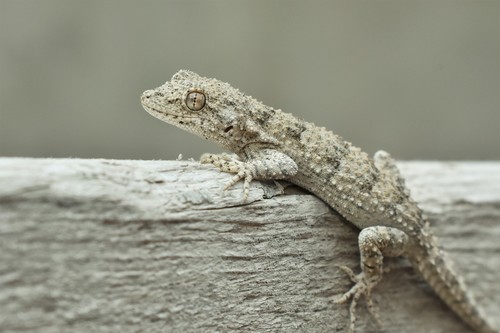
Can you see a Transcaspian Bent-toed Gecko in Shymkent?
Yes
About 40% of wildlife watchers report a Transcaspian Bent-toed Gecko sighting in Shymkent on a given day, based on 6 verified sightings from GBIF citizen-science data from 2019 to 2026. The best time is August (about 70%).
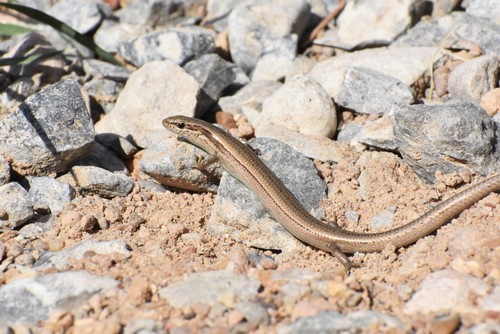
Can you see a Desert Lidless Skink in Shymkent?
Yes
About 40% of wildlife watchers report a Desert Lidless Skink sighting in Shymkent on a given day, based on 10 verified sightings from GBIF citizen-science data from 2019 to 2026. The best time is August (about 70%).
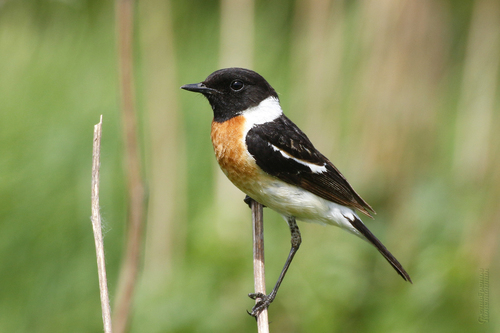
Can you see a Siberian Stonechat in Shymkent?
Yes
About 40% of wildlife watchers report a Siberian Stonechat sighting in Shymkent on a given day, based on 26 verified sightings from GBIF citizen-science data from 2019 to 2026. The best time is April and May (about 60%).
Is Shymkent good for wildlife watching?
2.5 out of 5
On the Wallace's Line Score, which rates each city against other cities, Shymkent gets 2.5/5: 372nd of 380 cities worldwide and 160th in Asia. 9 of its species are reported by about 40% or more of wildlife watchers on a given day.
Nearest Cities


Nearest Parks


Nearest Zoos & Centres


Sources: urban area GHSL Urban Centre Database R2024A, European Commission JRC (CC BY 4.0) · protected land WDPA, UNEP-WCMC & IUCN (via GHSL) · climate NASA POWER · wildlife GBIF.org citizen-science data