


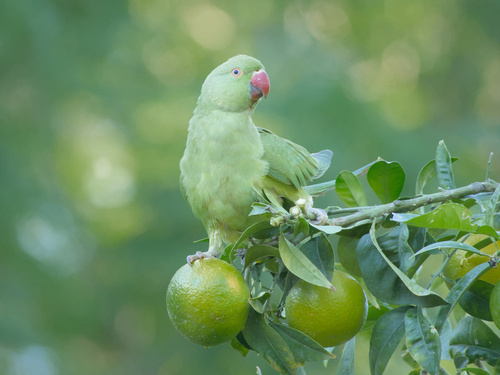





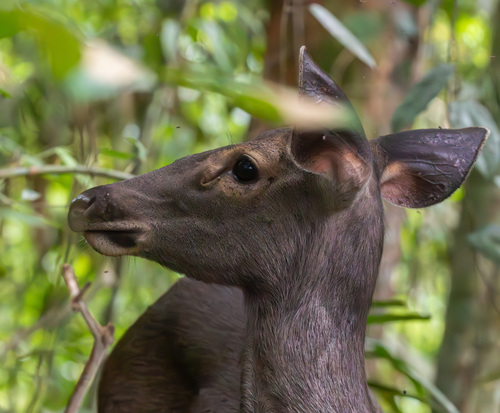


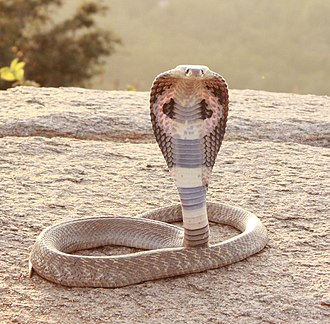




All 5 in 3 days here: ~30%
Keoladeo National Park
🇮🇳 India
Indian Subcontinent, India 706 spp. recorded
Keoladeo National Park is a tropical rainforest reserve situated in India, featuring dense canopies, damp earthen floors, and winding trails beneath towering trees. This dense jungle stands apart from dry scrublands through its lush vegetation and year-round humidity.
27.166° N 77.517° E
🦜 Nature

344 Species sighted
155,930 Verified sightings From 2019 to 2026
Feb Best month
⭐ Iconic Species
📊 Most Spotted
📊 Most Spotted
📊 Most Spotted
⭐ Iconic Species
📊 Most Spotted
📊 Most Spotted
📊 Most Spotted
⭐ Iconic Species
🌙 Most active after dark
+ 411 more species with insufficient data
Challenges you can complete here
Recent sightings in Keoladeo National Park
LIVEiNaturalistSighting Calendar
How many species you'd see in a day
79Jan
86Feb
79Mar
66Apr
59May
39Jun
46Jul
53Aug
61Sep
60Oct
74Nov
73Dec
Sighting Zones
Warmer areas are where all species together are recorded most often.
-
Bharatpur · Malah Road Marsh
Daily sight. prob.vs avg


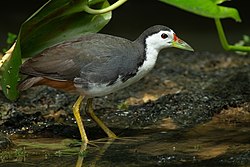


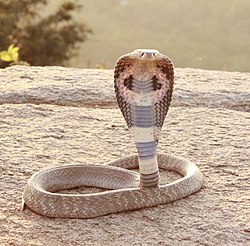

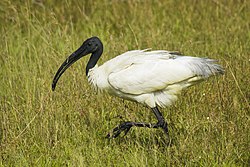
🏕️ Experience
Essentials
Climate
Temp °C Rain mm
JanFebMarAprMayJunJulAugSepOctNovDec
0.0 World-class
Wallace's Line Score
How good is this park for seeing wildlife? 🦜
Biodiversity
GoodHow rich is the wildlife?
3.6
Species by taxon
🦅 Birds 553
🐒 Mammals 77
🦎 Reptiles 65
🐸 Amphibians 11
706 Total Species
828 Global average across 316 parks
49 Threatened 55 Endemic
🔭
Sighting
ExcellentHow likely to see animals?
5.0
🎯
Top-12 Avg Probability
79% 📊
Coverage (208 species at ≥5% of 706 in the inventory)
29% 🔀
Taxon variety in top 12 (9 bird, 3 mammal)
50% 🔭
Species per 10 outings (distinct species a visitor would meet over 10 outings — effort held equal across parks)
170 🌟
Iconic-group species (≥15%) (every species from the 19 iconic groups — monkeys, cats, toucans, macaws, sloths, crocodilians… — not just the 4 highlighted above)
20 ⭐
High-prob species (>40%)
76 🏕️
Experience
ExcellentHow easy and pleasant is the visit?
4.7
Climate Mixed Medium
Entrance Paid Low
Tourism Low High
Trails Easy High
World Heritage Yes Bonus
What visitors say
Wild boar mothers with their young, loads of sambar deer clustered together and the odd porcupine were some of the most interesting creatures we spotted, but the highlight of our day was definitely when we ventured right into the center of Keoladeo National Park.
While birding at Keoladeo NP, we saw a variety of migratory species such as ducks, shorebirds, wagtails, etc.
With Mr Ishua Singh, our naturalist, even knew the Latin names of the trees 🤩 Our driver Mukesh was also a great birder with a keen eye The first thing we see is a python!!!
After arriving in Delhi, we spent the next five or six hours on the road to Bharatpur, a city of about a quarter million people in the Indian state of Rajasthan and popular with tourists because of its proximity to Keoladeo National Park, which was our ultimate destination.
Before you go
What animals can you see in Keoladeo National Park?
706 species
Keoladeo National Park has 706 recorded vertebrate species. The ones wildlife watchers report most often on a given day are White-throated Kingfisher (about 80%), Rose-ringed Parakeet (about 80%), Nilgai (about 80%), Painted Stork (about 80%) and Red-wattled Lapwing (about 80%). Among reptiles, the most-seen is Indian Python (about 70%).
When is the best time to visit Keoladeo National Park for wildlife?
May
In that month the park's 12 most-seen species average about 90% on a given day, against about 60% in June and July. That is one of Keoladeo National Park's driest months, with about 20 mm of rain against 240 mm in July.
Can you see an Indian Roofed Turtle in Keoladeo National Park?
Yes
About 30% of wildlife watchers report an Indian Roofed Turtle sighting in Keoladeo National Park on a given day, based on 11 verified sightings from GBIF citizen-science data from 2019 to 2026. The best time is April (about 50%).
Can you see a Bengal Monitor in Keoladeo National Park?
Yes
About 50% of wildlife watchers report a Bengal Monitor sighting in Keoladeo National Park on a given day, based on 29 verified sightings from GBIF citizen-science data from 2019 to 2026. The best time is November (about 70%).
Where in Keoladeo National Park is wildlife easiest to see?
Around Bharatpur
The richest sighting zone is around Bharatpur, followed by Bharatpur · Malah Road Marsh, ranked by how many of the park's headline animals visitors can expect to see in each. See the zones on the map.
Is Keoladeo National Park good for wildlife watching?
4.6 out of 5
On the Wallace's Line Score, Keoladeo National Park rates 4.6/5: 47th of 316 parks worldwide and 7th in Asia. 80 of its species are reported by about 40% or more of wildlife watchers on a given day.


