Hemis National Park
🇮🇳 India
Indian Subcontinent, India 521 spp. recorded
Hemis National Park is a high-altitude grassland reserve situated in the rugged mountain region of northern India. Treeless alpine slopes, rocky gorges, and windswept plateaus define the terrain, crossed by narrow dirt trails that climb high above deep river valleys.
33.754° N 77.345° E
🦜 Nature

117 Species sighted
2,051 Verified sightings From 2019 to 2026
Sep Best month
⭐ Iconic Species



📊 Most Spotted


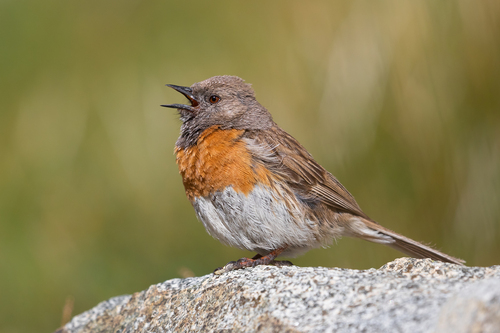


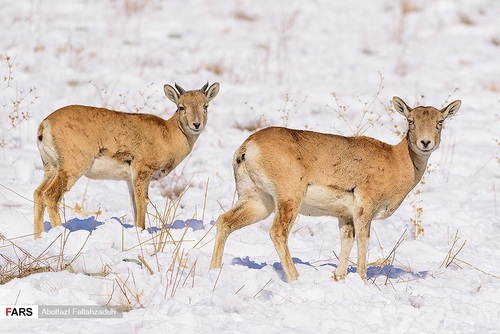


⭐ Iconic Species
📊 Most Spotted


📊 Most Spotted

📊 Most Spotted
📊 Most Spotted
⭐ Iconic Species
🌙 Most active after dark


+ 461 more species with insufficient data
Recent sightings in Hemis National Park
LIVEiNaturalistSighting Calendar
How many species you'd see in a day
0.8Jan
13Feb
14Mar
13Apr
15May
15Jun
15Jul
16Aug
16Sep
12Oct
10Nov
9.9Dec
Sighting Zones
Warmer areas are where all species together are recorded most often.




🏕️ Experience
Essentials
Entrance
Paid
Tourism
Low
Typical stay
1–2
daysTrails
Hard
World Heritage
No
Climate
Temp °C Rain mm
JanFebMarAprMayJunJulAugSepOctNovDec
0.0 Moderate
Wallace's Line Score
How good is this park for seeing wildlife? 🦜
Biodiversity
GoodHow rich is the wildlife?
2.9
Species by taxon
🦅 Birds 404
🐒 Mammals 83
🦎 Reptiles 27
🐸 Amphibians 7
521 Total Species
828 Global average across 316 parks
22 Threatened 43 Endemic
🔭
Sighting
GoodHow likely to see animals?
2.8
🎯
Top-12 Avg Probability
62% 📊
Coverage (67 species at ≥5% of 521 in the inventory)
13% 🔀
Taxon variety in top 12 (9 bird, 3 mammal)
50% 🔭
Species per 10 outings (distinct species a visitor would meet over 10 outings — effort held equal across parks)
57 🌟
Iconic-group species (≥15%) (every species from the 19 iconic groups — monkeys, cats, toucans, macaws, sloths, crocodilians… — not just the 4 highlighted above)
11 ⭐
High-prob species (>40%)
17 🏕️
Experience
GoodHow easy and pleasant is the visit?
3.3
Climate Harsh Low
Entrance Paid Low
Tourism Low High
Trails Hard Low
World Heritage No —
What visitors say
Our trips to Hemis National Park had the main objective to see a Snow Leopard and as usual we are very pleased to announce that all three group saw the elusive Cat in Hemis National Park very closely and for many hours.
We have been operating tours to see Snow Leopards since 2013 and our team on the ground is one of the most experienced.
“I had seen photos of snow leopards before I went for my first trip.
However, the disappointment was soon forgotten as we began assenting the mountain roads of Hemis National Park.
Before you go
What animals can you see in Hemis National Park?
521 species
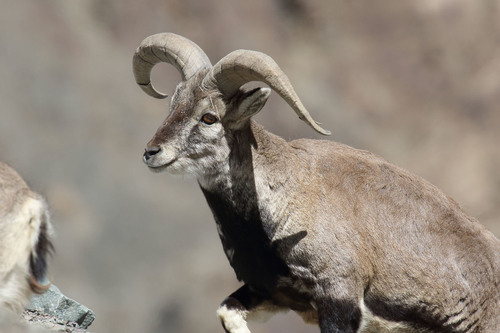
Hemis National Park has 521 recorded vertebrate species. The ones wildlife watchers report most often on a given day are Eurasian Magpie (about 80%), Bharal (about 80%), Chukar (about 70%), Red-billed Chough (about 70%) and Hill Pigeon (about 70%).
When is the best time to visit Hemis National Park for wildlife?
October
In that month the park's 12 most-seen species average about 70% on a given day, against about 50% in November. That is one of Hemis National Park's driest months, with about 10 mm of rain against 65 mm in July.
Can you see a Snow Leopard in Hemis National Park?
Yes
About 50% of wildlife watchers report a Snow Leopard sighting in Hemis National Park on a given day, based on 7 verified sightings from GBIF citizen-science data from 2019 to 2026. The best time is February and March (about 70%).
Can you see a Bharal in Hemis National Park?
Yes
About 80% of wildlife watchers report a Bharal sighting in Hemis National Park on a given day, based on 22 verified sightings from GBIF citizen-science data from 2019 to 2026. The best time is September (about 90%).
Can you see a Domestic Yak in Hemis National Park?
Yes
About 40% of wildlife watchers report a Domestic Yak sighting in Hemis National Park on a given day, based on 5 verified sightings from GBIF citizen-science data from 2019 to 2026. The best time is August (about 70%).
Can you see a Himalayan Marmot in Hemis National Park?
Yes
About 50% of wildlife watchers report a Himalayan Marmot sighting in Hemis National Park on a given day, based on 9 verified sightings from GBIF citizen-science data from 2019 to 2026. The best time is September (about 70%).
Is Hemis National Park good for wildlife watching?
2.8 out of 5
On the Wallace's Line Score, Hemis National Park rates 2.8/5: 304th of 316 parks worldwide and 31st in Asia. 15 of its species are reported by about 40% or more of wildlife watchers on a given day.